What Are Dental Implants Made Of And Why Does It Matter For Your Treatment


Compare Dental Implants options before you commit
Get clinic options, pricing guidance, and recovery expectations from Envoy Health before taking the next step.
Table of contents
- Understanding Dental Implants
- What Material Is Dental Implants Made Of?
- Types of Dental Implants You Should Know
- Choosing the Best Material for Dental Implants
- Possible Side Effects of Tooth Implants
- Are Dental Implant Materials Safe to Use?
- Key Things to Consider for a Safe Dental Implant Treatment
Key Takeaways
- The type of dental implant material impacts the success, cost, and longevity of the treatment. There is no one standard, ideal material for dental implants. The choice of the best material depends on candidates requirements, budget expectations, and any allergies.
- The screw portion of the dental implants is made of titanium (metal) or zirconia (metal-free). These are durable, strong, and biocompatible, and form a strong bond with the surrounding jawbone through a process called osseointegration.
- Dental crowns are made of porcelain, zirconia, PFM, or all-metal, depending on the case. The pink-colored gum portion in implant dentures and bridges is crafted from metal or acrylic resin. The tooth portion is either porcelain or zirconia, which withstands chewing forces while delivering a natural look.
Still comparing Dental Implants options?
Envoy can help you compare reviewed clinics, pricing guidance, and recovery expectations before you make a decision.
What Are Dental Implants?
Dental implants are tiny screw-like devices positioned in the jawbone to hold artificial teeth in place. These are fixed in the missing tooth spaces to restore the functioning. Missing teeth in a jaw can make routine activities like chewing and speaking with clarity difficult. These implants mimic the natural tooth roots and last for a lifetime. The procedure involves a surgery performed on an outpatient basis. Dental implant specialists or implantologists perform the procedure.
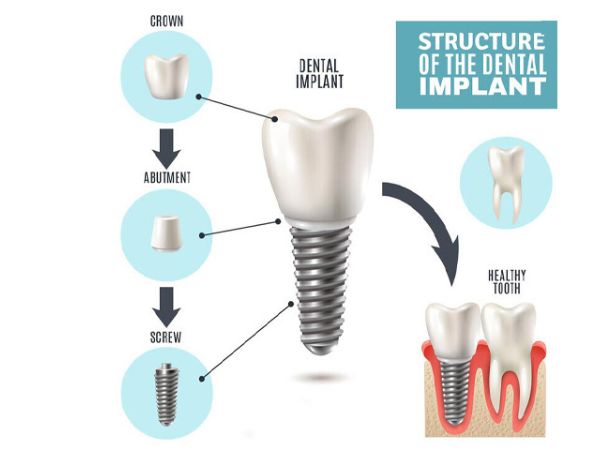
Note that the entire implant structure does not come in one piece. Tooth implants have three parts, screw like-implant, a connector called an abutment, artificial tooth on top. But what are these made from? We will discuss this in the upcoming section. But before that, here is a detailed picture of what a dental implant looks like.
What Material Is Dental Implants Made Of?
Dental implants are made from materials that are strong, durable, and compatible with the human body. While titanium is most commonly used for the implant body, porcelain and zirconia are widely used for the artificial teeth. Note that the choice is not limited to these varieties. These are just the commonly used material types. Depending on the type of implant and patient needs, different parts of the implant may use different materials to balance strength and appearance. Understanding these materials helps you make a more informed decision about your treatment.
What Is Dental Implant Screw Made Of?
The implant screw is the portion that remains within the jawbone. Its surface lies in contact with the surrounding bone material. Typically, titanium and zirconia are the commonly used dental materials for the screw portion. Although not widely used, polymers, ceramics, and alternative metals are also used for the implant body. Below, we detail each type of implant material.
- Titanium: It is the gold standard material used for dental implant screws. Titanium implant screws are widely chosen for their exceptional biocompatibility, durability, and strength. The implant surface forms a strong bond with the surrounding bone, allowing a seamless, long-lasting bond. Plus, they are sturdy to normal wear and tear, and are highly durable.[1]
- Zirconia: Zirconia for dental implants is a ceramic alternative to metal implants. It is a widely chosen material mainly for its biocompatibility and strength. As a metal-free ceramic, it offers excellent biocompatibility and tissue suitability for candidates with metal allergies. The high bone-implant contact rate allows these implants to withstand stronger chew forces.[2] Its smooth implant surface shows a lower plaque formation, and thereby a reduced risk of peri-implantitis. Plus, the tooth-colored implant body makes it a better choice for candidates with a thin gumline, which can show a greyish line with metal implants. The white colored ceramic body offers a seamless blend.
What Is Dental Implant Crown Made Of?
Dental implant crowns are artificial teeth placed on top of the implant post. These cover the implant screw and serve the basic functions of a natural tooth. These are custom-crafted in the dental lab using any of the following dental materials:
- All-porcelain: Porcelain dental crowns are the most commonly opted type. These tooth-colored crowns offer a natural look and seamless blend with the surrounding teeth. Porcelain offers durability and strength to withstand stronger bite forces.
- Zirconia: Zirconia dental crowns are exceptionally durable and sturdy. These have higher translucency and offer a pearl white smile. Besides, their higher fracture resistance and metal-free body make them a better choice for most patients.
- Porcelain-fused to metal (PFM): The PFM crowns come with a metal base covered by porcelain. While the metal framework provides strength to withstand normal wear and tear, the porcelain finish gives the dental crowns a natural look. These are an affordable, natural-looking yet durable choice.
- All-metal: Metals such as gold, cobalt-chromium, palladium, and nickel are used for all-metal crowns. The metal-based dental crowns are stronger than other dental materials. However, these are not suitable for candidates with metal allergies and those seeking a natural-looking smile.
What Are The Implant-Supported Dentures And Bridges Made Of?
Dentures and dental bridges are dental prostheses placed on top of multiple dental implants in a jaw. These restore the functioning of multiple fallen teeth. These typically come with a pink base with artificial teeth on top. Implant-supported dentures and dental bridges are made from the following materials:
- Resin materials: Acrylic and composite resins are commonly used for the pink colored base of implant-supported dentures and bridges. Dental technicians layer this base material to fit the color of natural gums. These materials are flexible yet sturdy and fit comfortably on the gums.
- Porcelain and zirconia: Porcelain and zirconia are commonly used materials for the tooth portion of the bridges and dentures. These are tooth-colored, metal-free, strong, and can withstand chew forces.
What Are The Alternative Materials Used For Dental Implants?
While titanium, zirconia, and porcelain are widely chosen materials for dental implants and their components, a few other materials are also in application. However, the usage is quite rare and exceptional in specific cases.
- Polymer: High-performance polymers such as polyetheretherketone (PEEK) and polymethylmethacrylate (PMMA) are used in dental implant treatment. These materials are rarely used for the implant's structural components. It's because they lack higher strength and are not suitable for long-term load-bearing solutions. However, these offer exceptional flexibility and a seamless blend. And hence, they are used for prosthetic components such as dentures and implantable coatings.[3]
- Ceramic: Carbon-silicon and silicon-nitride ceramic compounds are being researched for applications in dental implants. While the materials are highly biocompatible, they are brittle, limiting their use in the implant body. However, their corrosion resistance and lower bacterial affinity allow modern dentistry to use them in implant coatings.[4]
- Alternative metals: While titanium is the most commonly used metal for dental implants, other metal alternatives are also being used. Stainless steel, gold, and cobalt chromium are the most commonly used metal alternatives for dental implants. While these are not used for the implant body, they are used for dental prostheses such as dental crowns and bridges.
What Are The 3 Types Of Dental Implants?
The three main types of dental implants include:
- Endosteal implants: These are the most common type of dental implant, with an implant base fixed within the jawbone. The base is either cylinder or blade-shaped, and its surface forms a strong bond with the surrounding bone tissue. An abutment-screw is fixed on top of endosteal implants to hold the artificial teeth in place.
- Subperiosteal implants: These implants are for candidates whose jawbone is not too deep to support them. Subperiosteal implants have a metal framework fitted into the jawbone below the gumline. This is generally a customized framework crafted according to the patient's jawbone. It holds the artificial teeth in place and serves the chewing functions.
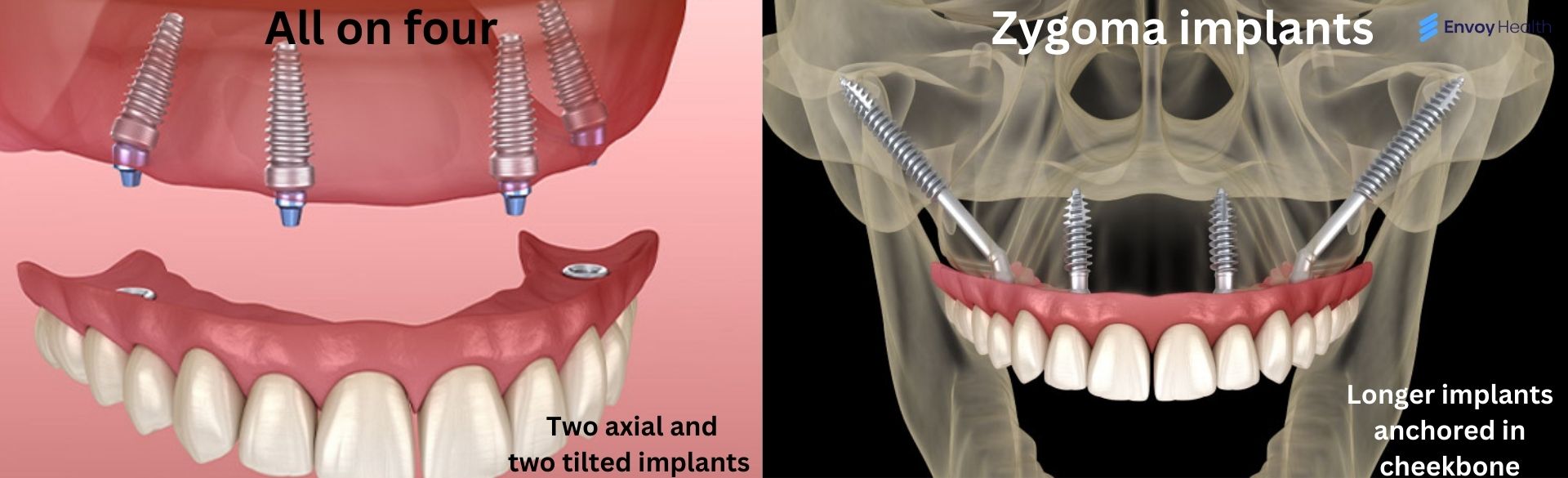
- Zygomatic implants: Zygomatic dental implants are slightly longer than conventional dental implants. These are inserted into the patient's cheekbone for appropriate anchoring. Generally, these are fixed as a set of four implants in the upper jaw. Among the four implants, two are conventional, and the other two are zygomatic.
What Is The Best Material For Dental Implants?
The best material for dental implants isn’t a one-size-fits-all choice. It generally depends on the candidate's requirements, health, and budget expectations. It's better that you weigh the pros and cons of the choice specific to your case. When your dentist offers a choice of materials for your implant treatment, ask for the details of the material and its suitability for your case.
Generally, titanium is the gold standard dental implant material. It's been in use for decades, mainly for its durability, tissue compatibility, and superior osseointegration. The implant surface forms a strong bond with the surrounding jawbone, which can last a lifetime. However, titanium for dental implants cannot be an ideal choice if you suffer from metal allergies.[5] Candidates prone to metal allergies show signs of hypersensitivity, including facial swelling, gum irritation, itching, chronic inflammation, and pain. Titanium implants are not recommended for metal-allergic candidates as they may necessitate retreatment.
Zirconia implants are another popular alternative for dental implant materials. These are a sturdy, durable choice for candidates seeking long-term implant solutions. Plus, being metal-free, these do not cause any side effects. However, zirconia implants are slightly more expensive and are not a budget-friendly option.
Tooth Implant Side Effects
Dental implants have a high success rate, but they also carry potential side effects, as with any medical treatment. The general and minor side effects, such as temporary swelling, pain, bleeding, and discomfort, are common following the implant surgery. However, certain other serious side effects do exist in rare cases. We listed them below:
- Nerve damage: Over-drilling of the implants or incorrect positioning can press the implant edge against the underlying nerves. Whether permanent or temporary, the effects include numbness and tingling sensations along the jaws, cheeks, lips, and tongue.
- Sinus issues: These occur when the implant accidentally protrudes into the maxillary sinuses due to overdrilling or a lack of precision in placement. This happens with the dental implants fixed in the upper jaw.
- Peri-implantitis: An infection in the surrounding bone and gum tissue immediately adjacent to the dental implant. It requires immediate medical attention, and mere ignorance can lead to jawbone loss, implant removal, and re-surgery.
- Allergic reactions: Implant-related allergies are rare and occur in candidates with a history of chronic metal allergies. Swelling, itching, and inflammation in the jaws, gums, and cheeks, with slight facial swelling, indicate allergic reactions.
- Implant failure: The implant surface fails to bond to the surrounding jawbone, leading to a loose or wobbly implant. These implants are unstable even to the slightest chewing force and eventually dislodge.
Do not confuse these side effects with the reasons not to get dental implants. Some people are not recommended for implant treatment when their jawbone is too scanty, or they suffer from medical conditions that interfere with early recovery. In either of the cases, the risk of implant failure is quite high. So, dentists recommend dental implants only after a thorough assessment of the candidate.
Are Dental Implant Materials Safe?
Yes, dental implant materials are generally considered safe. In fact, the US FDA and other regulatory bodies consider dental implants a safe treatment.[6] The primary materials, titanium and zirconia, are biocompatible and non-toxic. This means they are well-tolerated by the body.
Key Points You Should Consider For A Safe Dental Implant Treatment
Getting dental implants is a big step, and the safety of outcomes rarely depends simply on the procedure. Here are a few points to consider for safe, effective treatment outcomes.
- Choose a qualified dental implant specialist. Dental implant treatment involves a surgical procedure, and a dentist qualified and experienced in the specialty can assure you better results.
- Get proper assessment and diagnostics done. Clearly convey your treatment goals, and any ongoing medications and chronic autoimmune conditions. Besides, share your lifestyle habits such as smoking and alcohol consumption.
- Understand the material used. Ask your dentist, “What is my dental implant made of?” Because implant treatment isn’t just about treatment costs or timeline. Know the materials, their durability, contraindications, and their pros and cons.
- Discuss the costs and benefits of materials. Have a clear understanding of the treatment and recovery timelines. While rushing the process is never recommended, strict adherence to aftercare and follow-up visits is expected for better outcomes.
Final Word!
Dental implants are made from carefully selected materials such as titanium and zirconia, each offering a balance of strength, safety, and aesthetics. Understanding what are dental implants made of helps you look beyond the procedure and focus on what truly impacts long-term success. While titanium remains the most trusted option, alternatives like zirconia can suit specific needs. The right choice ultimately comes down to your oral health, preferences, and expert guidance, because a well-informed decision is the first step toward a lasting, confident smile.
Understanding the materials is just the beginning. Choosing the right clinic and expert matters just as much. At Envoy Health, we connect you with trusted dental specialists, personalized treatment plans, and seamless travel support to make your implant journey stress-free. Sign up with Envoy Health today and take the next step toward safe, high-quality dental care with confidence.
References
- Titanium Dental Implants: An Overview Of Applied Nanobiotechnology To Improve Biocompatibility And Prevent Infections
- Zirconia In Dental Implantology: A Review
- Contemporary Use Of Polymers In Dentistry: A Narrative Review
- An Updated Review And Recent Advancements In Carbon-Based Bioactive Coatings For Dental Implant Applications
- Allergies To Titanium Dental Implants: What Do We Really Know About Them? A Scoping Review
- Dental Implants: What You Should Know
Ready to compare Dental Implants options?
Get clinic options, pricing guidance, and recovery expectations from Envoy Health before taking the next step.
Disclaimer
The information in this article is for educational purposes only and does not replace medical advice. Always consult your doctor before starting any treatments.
Published by Envoy Health. Reviewed for patient-safety framing by Envoy Health Medical Content Review. See our editorial, AI-assistance, and medical review policy.
To request a correction, email contact@envoyhealth.io with the page URL and supporting source.
Compare reviewed clinics, pricing guidance, and recovery expectations before you commit.
Most dental implants are made from materials such as titanium or zirconia. Both these materials are biocompatible, light-weighing, and durable. Their biocompatibility lowers the risk of rejection and ensures the procedure is safe. In addition, these materials are strong and durable. They last for more than 20 years. The implant surface forms a strong bond with the surrounding bone tissue, imparting stability to the implants. Because of this, implants withstand strong chew and bite forces and last for years.
20 years after the initial dental implant treatment, your implants may still remain functional when you follow better oral hygiene. However, you might need to replace the prosthetic crown due to chipping and general wear and tear. In rare cases, abutment and implant replacement are required, especially when you encounter a fracture. Implants are generally sturdy and can last for a lifetime.
A full set of dental implants costs between $20,000 and $50,000 per arch in the United States. Typically, multiple implants cost more compared to single implants. The exact price varies depending on the implant and prosthesis type, procedure complexity, provider, and the clinic location.
What no one tells you about dental implants is the risk they carry. While dental implants are generally considered safe, they carry certain risks, as with any medical treatment. In this regard, the risk of infection is quite serious. Implant site infection, either due to improper surgical practice or lack of oral hygiene, results in severe outcomes. Besides, dental implant surgery is often touted as maintenance-free. However, the least spoken truth is the mandatory adherence to strict oral hygiene and a liquid, soft diet during the early recovery periods. Another aspect that is least talked about is the types of dental implants cost. While dental implants are often considered an expensive treatment, their costs vary significantly based on the implant type and material used. It's important that patients should know this before proceeding for implant treatment.
Most dental implants are made of titanium. It is a widely accepted dental implant material for its high success rates. Titanium is corrosion-resistant and highly biocompatible. It rarely causes metal allergies, and its smooth surface has low bacterial affinity, reducing the risk of peri-implantitis. Plus, the material is sturdy and exhibits better osseointegration, making it a highly recommended choice for dental implants.
So, we partner with the premier healthcare facilities!








Send me the list