Cost Of Dental Implants In 2026: Full Price Breakdown


Compare Dental Implants options before you commit
Get clinic options, pricing guidance, and recovery expectations from Envoy Health before taking the next step.
Key Takeaways
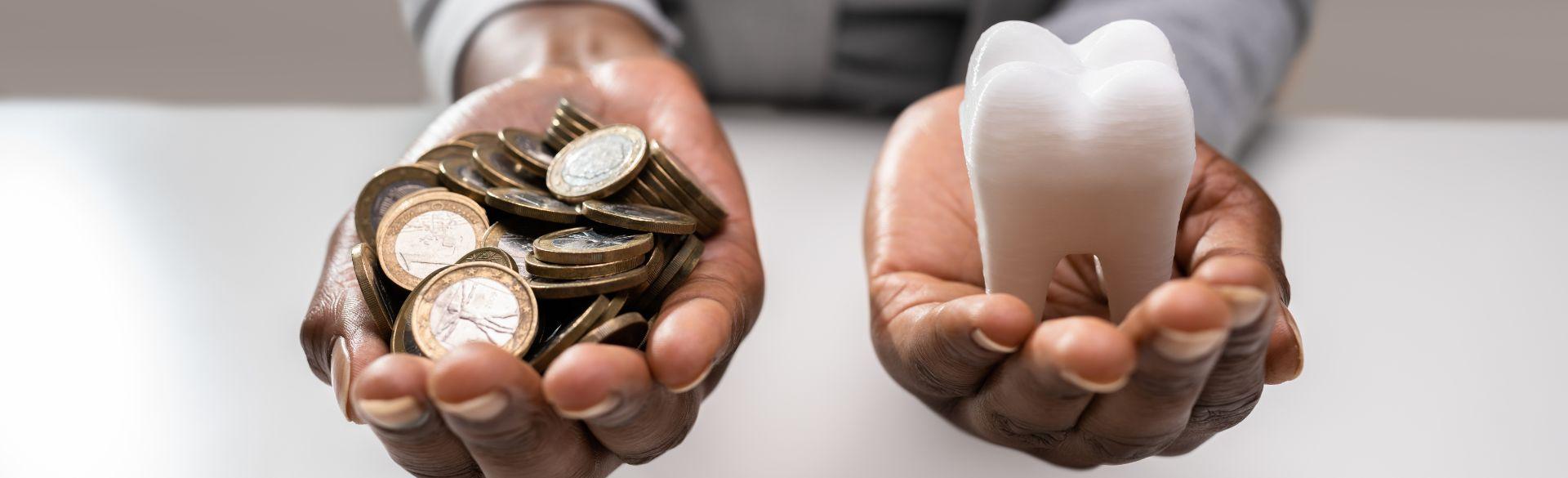
- Getting a single dental implant in the US would cost around $5,500, and a full-mouth restoration costs between $26,000 and $90,000 per arch. Treatment price varies with implant type, number, brand, additional procedures, restoration type, diagnostics, technology used, dentist, and the clinic location.
- The upfront implant costs may seem expensive, but they are a worthy investment for a lifetime. The durability, cosmetic, restorative, and oral health benefits of dental implants outnumber those offered by the alternative restorative options.
- Premium-quality materials required for the implant body, prosthesis, advanced technology for the surgical procedure, sterility requirements, and diagnostics make dental implants a costly procedure.
Still comparing Dental Implants options?
Envoy can help you compare reviewed clinics, pricing guidance, and recovery expectations before you make a decision.
Dental implants are an effective solution for restoring the function of missing teeth. They carry a higher price tag than alternatives such as dental bridges or dentures. The higher cost of dental implants can be a downside, but they are a long-term investment in oral health. Dental implant treatment cost varies by type, number, geographic location, and the dentist's experience. So, when someone mentions the high cost of dental implants, it’s better to examine exactly what goes into the implant cost.
How Much Do Dental Implants Cost?
On average, expect to pay around $5,500 for a single dental implant in the US. Getting full-mouth implants costs between $26,000 and $90,000 in the US. The budget-friendly all-on-4 dental implants cost around $26,000 per arch, and all-on-6 implants cost $32,000. Note that the dental implant treatment costs vary with the implant type, number, and oral health conditions.
In fact, these costs can be tricky and confusing to navigate, and depend on the procedures your dentist recommends. Additional pre-implant treatment costs add up to the total treatment bill. This depends on the exact procedure one needs. For instance, pre-op tests, such as panoramic dental X-rays to assess your jawbone quality and oral health, will cost $150. A bone graft to add bone material to a low-density, thin jawbone costs around $3,000. While not every candidate requires pre-implant procedures, they cannot be mistaken for an extra budget. In fact, they are necessary for the success of implants. Below, we have tabulated costs for implants and the related procedures to support a detailed dental implant cost analysis.
Costs of major dental implant types and related procedures
|
Procedure |
Average Cost in the US |
|
All-on-4 implants per arch |
$26,000 |
|
All-on-6 implants per arch |
$32,000 |
|
All-on-8 implants per arch |
$35,000 |
|
3-on-6 implants per arch |
$30,000 |
|
Full mouth implants |
$90,000 |
|
Single dental implant per tooth |
$5,500 |
|
Bone graft |
$3,000 |
|
Sinus lift per side |
$3,500 |
|
Panoramic X-rays |
$150 |
|
Simple tooth extraction per tooth |
$450 |
|
Surgical tooth extraction per tooth |
$600 |
|
*Per arch |
# Prices are case-dependent
Are Dental Implants Worth the Money?
Dental implants are definitely worth the expense, especially given what they offer. Choosing implants isn’t simply about restoring your smile. Dental implants have a significant impact on the quality of your life. The implant post sits within the jawbone, and the artificial teeth are an exact match for the surrounding natural teeth. It's hard for someone to notice you have an implant, allowing you to smile freely and confidently in public. Dental implant benefits aren’t just cosmetic or restorative. They support long-term oral health by improving chewing and help maintain jawbone structure. Beyond routine function, implants restore the functions of tooth roots, preserve your oral health, and protect your jawbone, rather than just serving cosmetic purposes. They transfer the mechanical pressure of chewing or biting forces, which act as natural stimuli and signals to the body, preventing jawbone resorption and preserving its structure.[1] More importantly, they are durable and can last a lifetime when properly cared for. While dental implant costs without insurance can feel hefty, they are worth it and can be seen as a one-time investment.
Other tooth replacement options, like dentures and dental bridges, might seem appealing for their low upfront costs and the satisfaction of both restorative and cosmetic benefits. However, they incur post-treatment cost add-ons and have a limited lifespan. For instance, dentures lose their fit and require frequent resizing, demanding continued effort and investment. Dental bridges, on the other hand, require reshaping healthy tooth structure for successful installation and do not contribute to the jawbone health. Unlike them, dental implants form a strong foundation in the jawbone, with the least impact on the surrounding teeth. They replace the root portion of the tooth, giving you a durable, natural-looking smile with no added costs post-treatment. Below, we compared dental implants with common alternatives to clearly understand their worth.
Comparing the costs and benefits of the dental implants, bridges, and dentures
|
Treatment |
Cost |
Lifespan |
Long-term value and impact |
Probable additional costs |
Estimated 10-year total |
|
Dental implants |
$5,500 per tooth |
20+years (often lifetime) |
Preserves jawbone health and adjacent teeth |
Routine check-ups, cleanings |
$5,500 |
|
Dental bridges |
$2,000-$5,000 per bridge |
10-15 years |
Do not preserve jawbone, requires reshaping of healthy adjacent teeth |
Replacement, repair, and maintenance |
$4,000-$10,000 |
|
Dentures |
$1,000-$3,000 per arch |
5-8 years |
No significant impact on jawbone and oral health |
Reliners, adhesives, replacement |
$2,500-$8,000+ |
# Worth of each treatment varies with patients conditon. Bridges and dentures may be ideal for those with uncontrolled metabolic diseases, an inadequate jawbone, or those seeking temporary solutions.
Are Dental Implants an Investment?
Once the dental implants settle into your gums, they remain there for a lifetime with proper care. You may consider them a lifelong companion! The crown portion is the only part requiring replacement in an implant setup. Furthermore, they require minimal maintenance, just like your natural teeth.[2] On the other hand, this differs from other tooth-replacement options, such as dentures or dental bridges. Even if you choose custom-fit dentures, they require frequent readjustments. Although bridges are a non-surgical, comparatively cheaper option than implants, they don’t offer the same longevity as dental implants do. That’s the reason to mention that dental implants are much more of an investment for a lifetime.
Why Are Dental Implants So Expensive?
Dental implant prices are expensive mainly because of the high-quality materials and the extensive oral health checkups involved. Implants are made of high-quality titanium and zirconia. It is biocompatible, durable, and, of course, quite expensive. Further, the dental crown, or visible portion, is usually made of porcelain, a ceramic material known for its aesthetics and durability. Furthermore, getting implant treatment is a surgical procedure. It covers the anesthesia, and pre-op tests like dental X-rays, CBCT, and panoramic X-rays require cutting-edge technology. Operating and maintaining this sophisticated equipment also adds to the charges. More importantly, the treatment requires specialist intervention by a periodontist, dental implant specialist, or oral surgeon.[3] Furthermore, the procedure should be carried out with sterility as a priority. The costs related to advanced medical-grade sterilization, required technology, and licensing procedures are additional costs.
Factors That Affect the Cost of Dental Implant Treatment
The following factors affect the treatment cost of dental implants:
- Implant type and materials: The implant brand and material significantly affect pricing. Premium implant systems, such as Nobel Biocare and Straumann, are backed by decades of clinical research, advanced manufacturing standards, and high long-term success rates, making them more expensive than lesser-known or local brands. The implant material also matters. Titanium implants are the most commonly used due to their proven durability, biocompatibility, and cost-effectiveness. Zirconia implants, which offer a metal-free and highly aesthetic alternative, typically come at a higher price point because of their specialized manufacturing process.
- Number of implants required: The more implants needed, the higher the treatment cost. Replacing a single missing tooth generally costs much less than restoring multiple teeth or an entire arch. For patients with extensive tooth loss, dentists may recommend solutions such as All-on-4 or All-on-6 implants, which use fewer implants to support a full arch of teeth. These systems can reduce treatment complexity and overall costs compared to placing individual implants for every missing tooth.
- Geographic location of treatment: Dental implant costs vary widely based on where the treatment is performed. Factors such as the local cost of living, clinic overhead expenses, labor costs, and regional healthcare regulations all contribute to pricing differences. This is one reason many patients consider dental tourism destinations, where high-quality implant treatment may be available at a lower cost than in their home country.
- Diagnostic imaging and preparatory procedures: Comprehensive treatment planning requires advanced diagnostic tools, including CBCT scans, panoramic X-rays, and digital impressions. These technologies help dentists evaluate bone quality, identify anatomical structures, and ensure precise implant placement. In addition, some patients may need preparatory procedures such as bone grafting, sinus lifts, ridge augmentation, or tooth extractions before implant surgery. These additional treatments can substantially increase the final cost.
- Dentist qualifications and experience: The implant dentist's expertise plays an important role in treatment pricing. Specialists such as oral surgeons, periodontists, and prosthodontists often charge more due to their advanced training and experience in complex implant cases. While choosing a highly qualified provider may involve a higher upfront investment, it can reduce the risk of complications and improve long-term treatment outcomes.
- Type of restoration used: The implant itself is only one component of the treatment. The final restoration, whether a dental crown, bridge, or full-arch prosthesis, also affects the overall cost. Restorations made from premium materials such as zirconia or porcelain typically cost more than acrylic alternatives because they offer superior durability, aesthetics, and stain resistance.
- Technology and treatment approach: Clinics that use advanced technologies such as computer-guided implant surgery, digital smile design, and in-house CAD/CAM systems may charge higher fees. However, these technologies can improve treatment accuracy, reduce surgical time, enhance patient comfort, and contribute to more predictable results.
- Sedation and anesthesia options: Some patients require only local anesthesia, while others may choose IV sedation for greater comfort during surgery. The type of sedation used can increase the overall treatment cost, particularly for complex or lengthy procedures.
- Post-treatment care and warranties: Follow-up appointments, professional maintenance visits, and implant warranty programs can also influence the total investment. Some clinics include these services in their treatment packages, while others charge for them separately. Comprehensive aftercare can help preserve the implant's longevity and may provide better long-term value.
Final Word
Dental implants are one of the most reliable and long-lasting solutions for replacing missing teeth, but their cost can vary significantly depending on factors such as the number of implants needed, the implant brand, the complexity of the case, and the expertise of the dental provider. While the upfront investment may seem substantial, implants can offer long-term benefits in terms of oral function, aesthetics, jawbone preservation, and durability. Rather than focusing solely on price, patients should evaluate the quality of materials, the dental team's experience, and the level of aftercare included in the treatment plan. Obtaining a personalized consultation and detailed cost estimate is the best way to understand the true value of dental implant treatment and make a confident, informed decision.
Every smile is unique, and so is the cost of restoring it. Let Envoy Health help you find trusted dental providers, compare treatment plans, and receive a personalized dental implant quote, all at no cost. Sign up now and take the first step toward restoring your smile with confidence.
References
Ready to compare Dental Implants options?
Get clinic options, pricing guidance, and recovery expectations from Envoy Health before taking the next step.
Disclaimer
The information in this article is for educational purposes only and does not replace medical advice. Always consult your doctor before starting any treatments.
Published by Envoy Health. Reviewed for patient-safety framing by Envoy Health Medical Content Review. See our editorial, AI-assistance, and medical review policy.
To request a correction, email contact@envoyhealth.io with the page URL and supporting source.
Compare reviewed clinics, pricing guidance, and recovery expectations before you commit.
Getting a full set of new teeth with full-mouth implants can cost around $90,000. This differs from getting a full set of new teeth with all-on implants. If you choose all-on-4 implants, it will cost you $24,000 per arch. Getting the same with all-on-6 implants will cost you $31,000.
Zirconia implants are more expensive than titanium implants. They cost up to $8,000, while a titanium implant costs you $5,500 in the US. This is due to the complex manufacturing process involved in preparing zirconia implants.
The average cost of a single dental implant in the US is $5,500. There may be additional costs for pre-op procedures such as tooth extraction, sinus lift, and ridge augmentation.
The prosthetic teeth that implants bear can replace most of your missing teeth. The best choice for complete edentulism or losing all teeth would be implant-supported dentures or full bridges. However, they can replace only some of your missing tooth roots. Your dentist will decide the type of all-on implant system based on your jawbone quality.
Dental implants are definitely worth the money. They restore chewing function, speech, and appearance while helping prevent bone loss in the jaw. Although the upfront cost is higher than that of other tooth replacement options, their durability, natural feel, and long-term oral health benefits often make them a worthwhile investment.
Dental implants are made of durable, biocompatible materials such as titanium and zirconia. They also bear natural-looking prosthetic teeth made from porcelain or porcelain-fused metal. These high-quality materials are costly, which is the primary reason for the hefty price tags on implants. In addition to these costs, dentists perform thorough evaluations using sophisticated technology, including CT scans and panoramic X-rays. Altogether, these make getting dental implants a costly affair.
So, we partner with the premier healthcare facilities!




Send me the list