Endosteal Dental Implants Explained in Simple Terms


Compare Dental Implants options before you commit
Get clinic options, pricing guidance, and recovery expectations from Envoy Health before taking the next step.
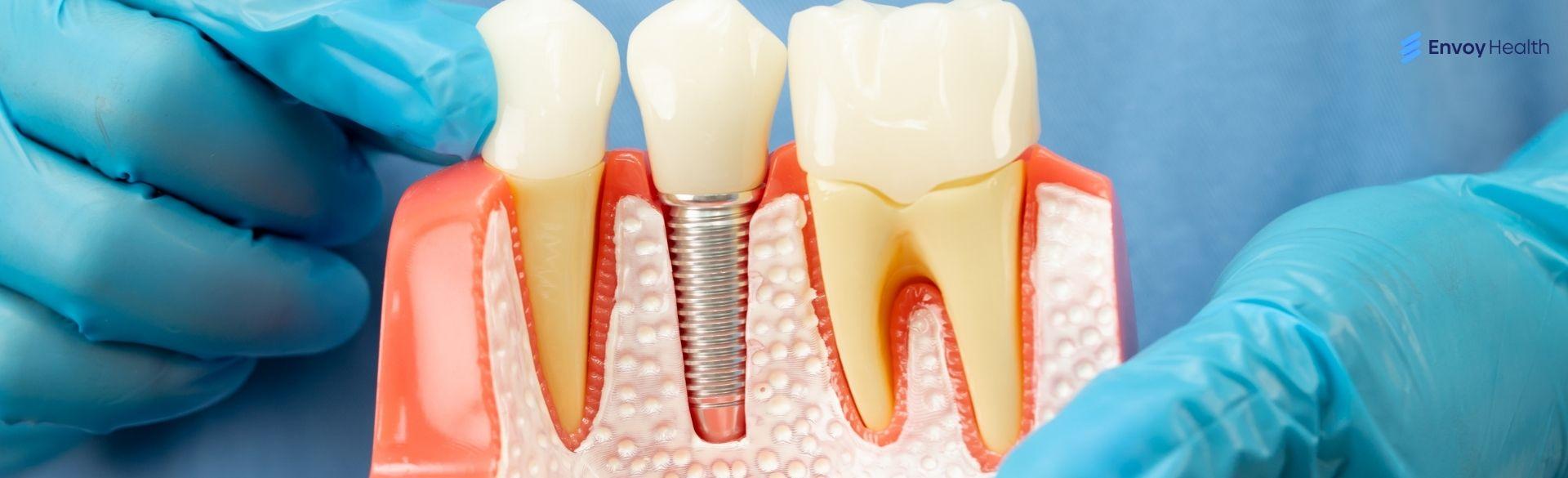
Table of contents
- What Is an Endosteal Dental Implant?
- What Are Endosteal Dental Implants Made Of?
- Who Qualifies for the Procedure?
- What If You Are Not a Candidate?
- Types of Endosteal Dental Implants
- Endosteal vs. Eposteal Implants
- Why Are Dental Implants Considered Surgery?
- Endosteal Implant Placement Procedure
- Advantages of Endosteal Dental Implants
- Disadvantages of Endosteal Dental Implants
Key Takeaways
- Endosteal dental implants are the most common type, with an implant structure lying within the jawbone and a small portion protruding above the jawbone. This holds the artificial tooth in place.
- Having an adequate jawbone, being free from chronic conditions such as diabetes, osteoporosis, and periodontal disease, and being above 18 years are basic requirements for receiving endosteal dental implants.
- Major disadvantages include the expensive endosteal dental implants cost, a long treatment timeline, recovery, and surgical risks like infections, nerve damage, and sinus issues.
Still comparing Dental Implants options?
Envoy can help you compare reviewed clinics, pricing guidance, and recovery expectations before you make a decision.
What Is Endosteal Implant?
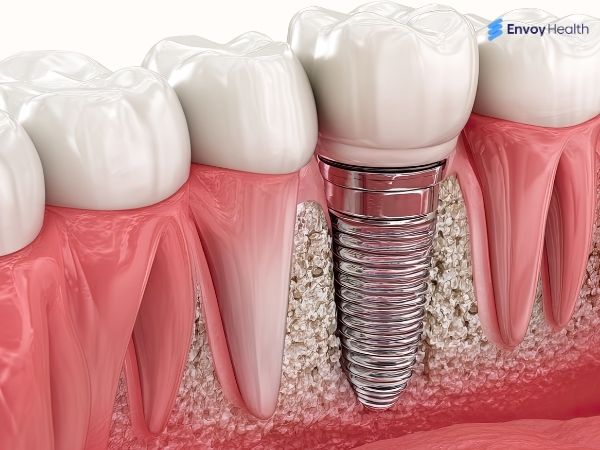
Endosteal dental implants are the most common type of tooth implants. Dentists place them directly in the jawbone, which is what defines them. Endosteal implant meaning refers to their positioning: “endo” means “inside” and “osteal” means “bone”. Over time, the implant surface bonds with the bone to act as a stable base for the artificial teeth. Altogether, the setup replaces the functions of missing teeth.
The screw endosteal dental implant behaves like natural tooth roots and holds artificial teeth on top. Thereby, endosteal dental implants restore lost functions such as chewing, biting, and speaking clearly. Plus, these fill the gaps, improving your smile's appearance.
What Is An Endosteal Implant Made Of?
Endosteal dental implants are small, screw-shaped devices made of titanium or titanium alloys. While these are the most commonly used type, endosteal tooth implants are designed to be sturdy, durable, biocompatible, and form a strong bond with the surrounding jawbone. The screw remains within the bone, with a small portion protruding out of the gumline. This holds the artificial tooth in place.
Who Qualifies For An Endosteal Dental Implant Procedure?
Placing a titanium screw in the jawbone requires surgery, so not everyone is a suitable candidate for dental implants. Children and teenagers, for example, are usually not eligible because their jaws are still developing. Even for adults, dentists carefully evaluate several factors before recommending implant surgery. This assessment helps ensure the procedure is safe and that the implant has the best chance of long-term success. Below, we have listed some basic qualification criteria for endosteal dental implants.
- Candidates should have good physical and oral health. Being free from conditions such as diabetes, immunodeficient diseases such as AIDS, and bone diseases such as osteoporosis is mandatory. These body conditions delay the healing process and increase the risk of failure.
- Individuals should have good oral health and be free from periodontal diseases.
- The candidate must be over 18 years old, as children and teenagers have jaws that are still developing. Implant placement in still-developing jaws can lead to submerged implants as the jaws grow. This finally causes bite and alignment issues.
- Patients must have adequate jawbone density and volume to support dental implants. These are crucial for holding the implants in place and withstanding biting and chewing forces. Lacking enough jawbone disqualifies a candidate or necessitates additional procedures to add bone material, increasing the thickness of the jawbone.
- Candidates must adhere to a healthy lifestyle and must be free from habits such as smoking. Nicotine and tobacco restrict blood flow and impair healing by reducing oxygen supply to the gums and jawbone.
- Individuals must be willing to follow the tedious postoperative care, as it is crucial for their long-term success. It's because endosteal implant recovery decides treatment success, which in turn depends on the aftercare. Failing to meet the basic oral hygiene and not being able to follow the strict dietary restrictions causes implant failure.
Some factors, such as oral hygiene and post-operative care, are within a patient’s control and can improve their chances of successful implant treatment.
However, other factors, like age or certain gum conditions, may limit a person’s eligibility for dental implants. In such cases, dentists may recommend alternative procedures that are better suited to the patient’s needs.
What If You Are Not Suitable For Endosteal Dental Implants?
Your dentist will recommend any of the following alternatives in case they believe you are not suitable for endosteal dental implants:
- Subperiosteal dental implants: Dental implants are placed above the jawbone when there isn’t enough bone volume to hold endosteal implants.
- Bone grafting: Some candidates experience jawbone loss after losing teeth, and dentists add bone material to restore volume.
- Sinus augmentation: Dentists perform sinus augmentation for candidates whose sinuses are too close to the jawbone. This applies to candidates seeking dental implants in the upper jaw, especially for molars or premolars. They lift the sinus membrane and add bone material, creating sufficient height for the upcoming dental implants.[1]
- Ridge expansion: Some candidates have too thin jawbone, and standard implant drilling can break it down. Dentists expand the ridge to increase its horizontal thickness and add bone material for added strength.[2]
- Dental bridge: Dentists recommend dental bridges when the candidate has lost one or two teeth and has healthy natural teeth adjacent to the tooth loss site. The dental bridge procedure is less invasive compared to dental implants and is generally preferred when the candidate has sound oral health.
Types Of Endosteal Dental Implants
Below, we detail the basic types of endosteal implants, each with a different shape. But the underlying concept remains largely the same, with the implant lying within the jawbone and holding artificial teeth on top.
- Screw-type: These are the most common endosteal implants, which mimic the shape of a screw.
- Cylinder-type: These have a cylindrical base and are typically tapped or pushed into the jawbone rather than drilled.
- Blade-type: These come as flat-plate-like blades and are suitable for candidates with too-thin, narrow jawbones.
Endosteal Dental Implants Versus Eposteal Implants
Dentists consider the following two main types of dental implants:
- Endosteal tooth implants: These are the most common type of implant, screw-like, and dentists place them within the jawbone. A small exposed section of the implant holds the artificial teeth in place.
- Eposteal implant: Also called the subperiosteal tooth implants, these are specialized, new-generation implants. These come with a customized titanium framework that sits atop the jawbone, under the gums. A small portion protrudes out of the jawbone to hold the artificial teeth in place. These do not osseointegrate with the jawbone and are less commonly used.
Why Are Dental Implants Considered Oral Surgery?
Dental implants are considered oral surgery because they involve placing a titanium metal screw in the jawbone. Dentists cut open the gum tissue to access the jawbone and place dental implants. Since the procedure involves cutting the gums, working with bone, and placing a medical device inside the jaw, it falls under the category of oral surgery rather than a routine dental treatment. Moreover, the procedure requires precision, sterile surgical techniques, and recovery time, necessitating expert handling like any other surgical procedure.
Does It Hurt To Have Dental Implants Put In?
Most patients experience no pain during dental implant surgery. Pain is one of the most common concerns for patients upon understanding implants as a surgical procedure. However, the surprising fact is that dental implant surgery is not painful because it's performed under local anesthesia. Dentists use anesthetic to numb your gums and prevent pain during the procedure. You are in your senses and will be aware of what's happening around you. Some dental professionals also recommend sedatives for patients suffering from anxiety about the procedure. These relax you but do not make you fully unconscious. Dentists may use different forms of sedation, such as oral medication, IV sedation, or nitrous oxide (laughing gas), depending on the patient’s needs and the complexity of the treatment.
What Is Endosteal Implant Placement?
The endosteal implant procedure begins with an initial consultation. You will see the dentist in-person and your dentist will examine you and evaluate your candidacy for the procedure. They detail the various steps of the procedure, carried out in stages, requiring 2-3 dental visits.
- Implant placement: Your dentist will numb the gums with a local anesthetic and make incisions to open them. They will drill holes in your jawbone to place the implant and close the incisions using sutures. Following surgery, slight pain, discomfort, and swelling are common. You will be using pain medication and antibiotics. Adhering to the aftercare instructions offers relief and helps in easing early recovery periods.
- Osseointegration: The dental implant surface forms a strong bond with the surrounding jawbone within 2-6 months. This process (osseointegration) forms a stable base for the implant's success.
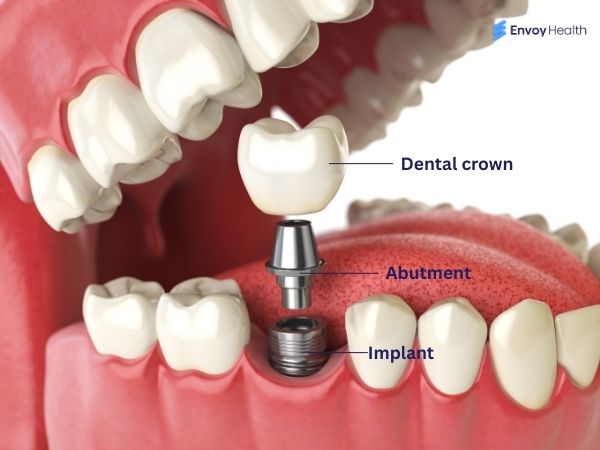
- Abutment: Your implantologist will conduct X-rays to confirm that the osseointegration is completed. They will cut open the gums to access the dental implant and install a small screw-like abutment. Your dentist will close the incisions and collect impressions for artificial teeth, and send them to the dental lab for fabrication. Your gums will heal within a couple of days.
- Artificial teeth: Once your gums have completely healed and the artificial teeth are ready, your dentist will secure the prosthesis to the abutments. This is simple and carried out on an outpatient basis.
What Are The Advantages Of Endosteal Implants?
Endosteal teeth implants are the most common type, mainly because they carry the following advantages:
- Better stability: Endosteal implants are fixed within the jawbone. These offer better stability by forming a strong bond with the surrounding bone.
- Mimic natural tooth roots: Endosteal implants lie embedded within the jawbone and mimic the natural tooth roots. They stimulate the jawbone during chewing and help prevent its resorption.
- Highly durable: Materials such as titanium and zirconium are long-lasting and can last a lifetime. These are, in fact, a more reliable option than alternative dental bridges or dentures.
- Natural look and comfort: The implant surface lies within the jawbone, holding artificial teeth on top. This structure mimics the natural teeth, offering better comfort.
- Improves oral health: Implants behave like tooth roots and fill the spaces left by missing teeth. This prevents adjacent teeth from drifting into the gaps, which can cause alignment and bite issues.
What Are The Disadvantages Of Endosteal Implants?
Here are the common disadvantages of getting endosteal dental implants.
- Surgical procedure: Endosteal implants are fixed within the jawbone, and the procedure requires surgery. Potential risks include infection, nerve damage, and sinus problems.
- Higher upfront costs: Endosteal implant costs are relatively higher compared to the alternative non-invasive procedures, such as dental bridges or dentures.
- Strict candidacy: The implant surgical procedure requires strict candidacy. It's not suitable for candidates with chronic problems or those lacking adequate jawbone.
- Long treatment time: The implant procedure is staged, often taking a few months to complete. Although the procedure usually lasts a few hours, the longer treatment time makes it uncomfortable for patients.
- Tedious recovery period: Dental implant surgery is followed by a relatively long and careful recovery phase. Strict aftercare, especially maintaining a proper diet and good oral hygiene, is essential for supporting healing and ensuring the long-term implant success.
- Potential discomfort and commitment required: Some discomfort after the procedure is common. A strong commitment to following the treatment plan and adhering to post-operative care instructions is essential for the long-term success of dental implants.
Final Word!
Endosteal dental implants have become the standard choice for tooth replacement because they offer stability, durability, and natural function. Although the procedure involves surgery and a dedicated recovery period, many patients find the long-term benefits worth the effort. With proper care and appropriate guidance from a dental professional, endosteal implants can provide a reliable solution for restoring missing teeth and supporting better oral health.
If you’re looking for dental implants and want to check out safe, affordable treatment options, we are here to help! At Envoy Health, our team connects you with trusted dental clinics, assists with appointment scheduling, and supports you throughout the treatment journey. Sign up now and get personalized guidance to start planning your implant treatment with confidence!
References
Ready to compare Dental Implants options?
Get clinic options, pricing guidance, and recovery expectations from Envoy Health before taking the next step.
Disclaimer
The information in this article is for educational purposes only and does not replace medical advice. Always consult your doctor before starting any treatments.
Published by Envoy Health. Reviewed for patient-safety framing by Envoy Health Medical Content Review. See our editorial, AI-assistance, and medical review policy.
To request a correction, email contact@envoyhealth.io with the page URL and supporting source.
Compare reviewed clinics, pricing guidance, and recovery expectations before you commit.
The regular dental implants most commonly used today are endosteal dental implants. Structure and function-wise, both are the same. The little difference runs around the terminology. Endosteal is the technical term that refers to implants placed directly within the jawbone, while “regular dental implants” is a more informal way people refer to the same implant type.
Endosteal dental implant cost in the United States ranges between $3,000 and $5,000 (or above) per tooth. The cost typically includes surgery, doctor fees, a dental implant, an abutment screw, and a dental crown. Generally, consultations, diagnostic tests, aftercare medication, and follow-up appointments are charged separately.
The endosteal dental implant procedure is virtually painless. Although it's a surgical procedure, you don’t feel much pain during or after the procedure. Typically, the surgical method is carried out under local anesthesia, and in some cases, sedatives are recommended (for relaxation). While slight pain, discomfort, and swelling occur after implant surgery, you will be using pain medication and following aftercare measures. These help with easy and smoother recovery.
So, we partner with the premier healthcare facilities!








Send me the list