Dentures Implant Supported: Types, Benefits, a Complete Breakdown


Compare Dental Work options before you commit
Get clinic options, pricing guidance, and recovery expectations from Envoy Health before taking the next step.

Table of contents
- Impact of Tooth Loss
- Implant-Supported Dentures Explained
- Can You Remove Implant-Supported Dentures?
- Types of Implant-Supported Dentures
- Who Needs Implant-Supported Dentures?
- Cost of Implant-Supported Dentures
- Are Implant-Supported Dentures Worth It?
- Disadvantages of Implant-Supported Dentures
- Treatment Procedure
- Care for Implant-Supported Dentures
- Longevity
- Potential Risks
- When to See a Dentist?
Key Takeaways
- Implant-supported dentures are a stronger option than conventional dentures. Worth of the choice depends on the individual's needs and dental health.
- Improved comfort, better stability, and reduced maintenance are the benefits of the choice. Implants behave as natural tooth roots and improve oral health. Higher upfront costs and a longer healing period for the invasive surgical procedure are among the disadvantages of this choice.
- Implants are permanent, while dentures should be replaced every 5-10 years. The choice still offers durable benefits compared with other tooth-replacement options, such as dental bridges and crowns.
Still comparing Dental Work options?
Envoy can help you compare reviewed clinics, pricing guidance, and recovery expectations before you make a decision.
Tooth Loss: Functional, Aesthetic, and Oral Health Issues
Tooth loss is quite a serious problem among the elderly. The US Centers for Disease Control and Prevention states that nearly 1 in 10 Americans aged 65 to 74 years have lost most of their teeth.[1] Tooth decay, periodontal diseases, and chronic health problems are the primary causes for tooth loss in elders.
Tooth loss is more than just a fallen tooth. It's about losing the ability to chew food, relish a favorite dish, speak with clarity, and move freely in public and pose for photos. Missing teeth also erode confidence by deteriorating the overall facial appearance. It actually goes beyond the awkward gaps left by missing teeth. In particular, older individuals experience jawbone resorption following tooth loss. The natural tooth roots provide a stimulus essential to the health of the jawbone. And the jaws with fallen teeth lack this stimulus, leading to significant resorption. [2] Over time, this causes major facial changes, including sunken, hollow cheeks, a pointed chin, thin, sunken lips, and a more collapsed lower face.
It's crucial to understand that missing teeth pose not only functional but also aesthetic problems. Individuals with toothless jaws also face oral health issues. The remaining teeth try to drift over to the spaces left by fallen teeth. Additionally, there can be significant overeruption of the teeth in the opposite jaws. Either condition causes alignment issues, leading to bite problems.[3]
What Are Implant-Supported Dentures?
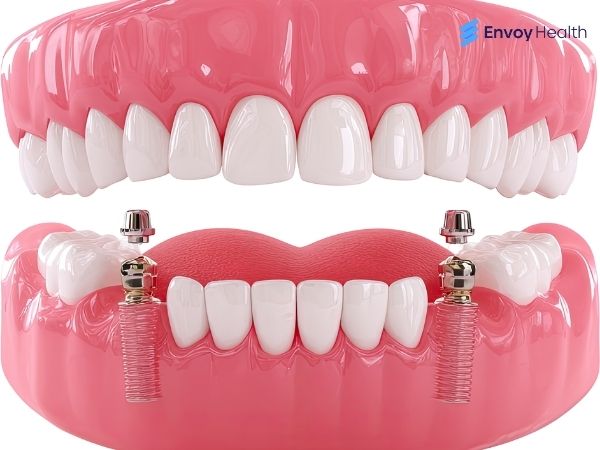
Dentures implant-supported are an effective tooth-replacement option that restores the function of multiple lost teeth in a single jaw. Unlike traditional non-invasive dentures, implant-supported dentures rest directly on the jaw. These are fixed to dental implants inserted into the jawbone.
Dental implants are tiny metal screws surgically placed in the jawbone. Tooth implants, also called dental implants, are titanium posts that permanently remain in the jaw. These mimic the natural tooth roots and hold the dentures in place. By doing so, the setup (implants along with dentures) makes your life easier by restoring your chewing ability and enhancing speech clarity. Plus, the implant posts mimic the natural stimulus for the jawbone and prevent its resorption, protecting your oral health.
Are Implant-Supported Dentures Removable?
Yes, many implant supported dentures (not all) are removable, and you can remove them easily. When we call implant-supported dentures permanent, we mean that the tooth implants are fixed in the jaw. It cannot be confused with dentures, which are either removable or permanent, based on your preference. It's important to understand the different types of dentures.
Types of Implant-Supported Dentures
Implant-supported dentures vary in design and attachment method to implants. These are available in both removable and fixed configurations; details are provided below.
Removable Implant Supported Dentures
These complete denture implant supported come with 2-4 dental implants and a full set of removable dentures in one arch. While implants offer superior stability and remain in place permanently, dentures can be removed for cleaning. You can easily remove the dentures because they are held in place by snap-in locators. These either rely on ball-and-socket or bar-retained clip attachments. Based on the retention mechanism, dentists refer to them as ball-retained or bar-retained implant dentures.
Pros
The implant supported removable dentures offer better stability while being easy to maintain. The dentures can be easily taken out for cleaning and maintenance, while the implants remain in place, offering better stability than conventional dentures. These feature a non-slip surface and are an upgrade over conventional types that rest directly on the jaws.
Cons
Problems with snap in dentures include loss of retention due to the gradual wearing out of the clipping system. It can necessitate regular replacement of the attachment parts. Additionally, bacterial buildup around denture attachment points can lead to inflammation, infection, gum soreness, and irritation.
Fixed Implant Supported Dentures
Fixed implant-supported dentures are a set of permanent, non-removable teeth anchored to 4-8 dental implants per jaw. These are commonly referred to as full-mouth rehabilitation or all-on-X implants. Depending on the number of implants per jaw, these are commonly referred to as all-on-4, all-on-6, and all-on-8. Dentists secure them to the implants using abutment screws. These behave similar to the natural teeth, and you cannot remove them at home. Cleaning and maintenance are much like natural teeth, so you don’t have to put in extra effort.
Pros
Because they are permanently fixed to the implants, these offer superior stability and enhanced comfort. This eliminates issues such as denture slippage or the need for adhesives that conventional dentures often require. These require no additional cleaning or maintenance, reducing effort and costs. Implants remain in the jaw for life, while dentures are highly durable and can last up to 20 years.
Cons
Permanent dentures have higher upfront costs than other tooth-replacement options. Additionally, implant surgery and denture fixation require a staged procedure. This involves longer healing periods and extended aftercare until complete healing.
Who Will Need Implant-Supported Dentures?
Your dentist may recommend a set of denture implant retained for your jaws when:
- You lost several teeth from your jaw and are left with very few in one or both arches.
- You are tired of the drawbacks of conventional dentures, such as slipping or gum sores.
- You are looking for a stable choice that lasts longer and costs less maintenance.
- You are seeking a better option that can not only enhance the quality of life but also improve oral health over the long term.
While implant-supported dentures are a quality upgrade over conventional choices, you should be a suitable candidate for them. For this, you:
- Have healthy gums free from periodontal diseases
- Have adequate volume and density of the jawbone
- Are free from smoking and tobacco consumption, or have a willingness to quit the habit
- Have sound oral and overall health, and be free from uncontrolled medical conditions such as diabetes, cancers, and bone diseases
Implant Supported Dentures Cost
In the United States, implant supported dentures cost between $3,000 and $15,000 per arch. The actual cost varies based on the implant and denture type you choose, the number of implants, any additional costs, the dentist who treats you, and the clinic's location. We detailed each one of them below:
- Denture type: Generally, removable implant dentures cost less than permanent dentures. Fixed implant dentures are complex and typically involve implants, abutments, and a denture, often requiring a specialist’s expertise, making them costly.
- Implant number and position: The more implants you require, the higher the treatment cost. Besides, the upper denture implants cost more than the lower denture implants cost. The complex bone anatomy of the upper jaw necessitates more implants than that of the lower jaw. This requires more implants and greater expertise, increasing treatment costs.
- Additional costs: The total denture implant cost varies based on any additional procedures you may need. A weaker jawbone may require a bone graft or sinus lift to ensure implant stability. However, these additional methods increase final costs, as do diagnostic tests such as X-rays and anesthesia.
- Dentist selection: Generally, experienced dental specialists and those with advanced training in implantology and prosthetic dentistry charge higher fees. You can expect guaranteed outcomes and better success rates. Inexperienced and general dentists may charge nominal fees. However, the quality, durability, and longevity of results may vary considerably.
- Geographical location of clinic: Planning dentures at clinics in high-cost metropolitan areas typically results in higher fees due to higher operational costs, overhead, and demand. Clinics in smaller cities or less expensive regions often offer more affordable pricing for similar treatments.
Costs can vary based on materials, expertise, and individual needs. Envoy Health helps you compare options, understand pricing, and choose a denture treatment plan that fits both your budget and oral health goals. Sign up now and take your first step for better oral health and a flawless smile.
Are Implant-Supported Dentures Worth It?
Implant-supported dentures are a strong choice because they are a stable, durable tooth-replacement option that does not require special maintenance procedures like conventional dentures. These restore your ability to chew food, enhance confidence, and improve speech. Implant-supported dentures do not slip or loosen over time, so you don’t need frequent replacements or adjustments. More importantly, implant-supported dentures improve jawbone health by preserving it and maintaining a balanced facial structure.
What Are the Disadvantages of Implant-Supported Dentures?
While implant-supported dentures are an upgraded alternative to conventional dentures, they do have some disadvantages. We listed them below.
- Relatively expensive compared to other choices.
- Involves surgical procedure that require longer healing period.
- Requires a stage-wise longer treatment time, often taking several months to complete.
- Strict candidature mandating an adequate jawbone. It also requires additional procedures, such as bone grafting or a sinus lift, which in turn extend the treatment timeline and healing period.
- The surgical procedure has potential complications such as infection, implant failure, and sinus perforation.
It’s worth noting that every medical procedure comes with its own advantages and limitations. There is no one-size-fits-all solution for dental concerns. Carefully weighing the pros and cons is essential to making a clear, informed decision that best suits your individual needs.
What Is the Implant-Supported Dentures Procedure?
The implant-supported denture procedure is performed in stages and typically takes several months. It begins with a detailed consultation, followed by surgical scheduling, implant treatment, and denture fixation. We detailed each step to improve understanding.
How Is the Pre-Surgical Evaluation for Implant Supported Overdenture Carried Out?
The pre-surgical consultation occurs before treatment begins for implant-supported dentures. It involves a comprehensive evaluation of oral and medical health.
- Physical evaluation: The dentist will examine your oral cavity for tooth decay and gum disease. This helps prevent complications and confirms whether your mouth is suitable for implant treatment.
- Dental imaging tests: They will conduct advanced imaging, including X-rays and 3D CT scans, to evaluate bone health, identify the sinus cavities, and locate nerves. This is crucial for planning a successful implant positioning within the jaw. Knowing the exact location of the sinus cavities is important when you plan for upper denture implant supported. It actually relates to bone density for securely anchoring implants. Some candidates may have a sinus that is too low or protruded due to tooth loss. Implants protruding into the sinus cavity may lead to pain and discomfort. Imaging techniques also help assess the quality of the jawbone. An adequate amount of jawbone is mandatory. Candidates with insufficient jawbone are advised to undergo bone grafting and a sinus lift. These include adding bone material to the existing jawbone to increase volume and improve implant stability.
- Medical history: Dentists also request a detailed medical history. In addition, discuss any ongoing medications and any previous history of anesthesia and dental surgeries. Convey it clearly, as it's essential to rule out any underlying condition that may prolong healing or cause complications.
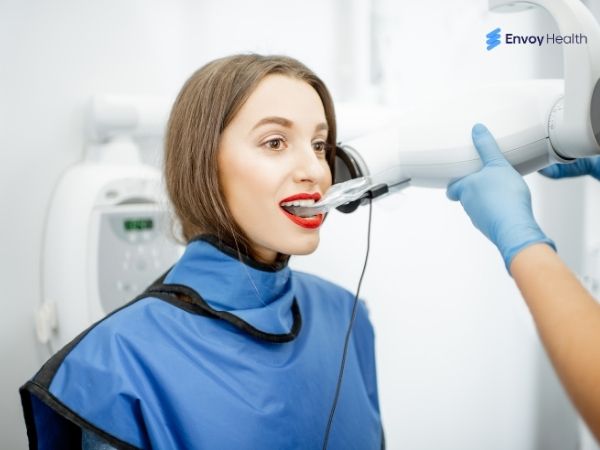
Following the dental assessment, your dentist will develop a treatment plan outlining the number and positions of implants, as well as the type of denture. They will clearly explain to you the pros and cons of the choice and provide a detailed price quote. Plus, they will also discuss anesthesia options, so don’t hesitate to mention any prior anesthesia experience. Feel free to discuss the types of materials and the various implant and denture choices. Your dentist will suggest quitting smoking for 3-4 months before implant surgery. Plus, you should stop certain medications, such as blood thinners, a few days before surgery.
What Happens on the Day of Surgery for Implant Supported Dentures?
Typically, the day of your dental implant surgery follows a pre-scheduled plan as specified by your dentist. Here are some crucial points for your information.
- Pre-op care: Follow the pre-op instructions provided by your dentist. These include cutting off any specified medication and fasting on the day of surgery (if you plan for intravenous sedation).
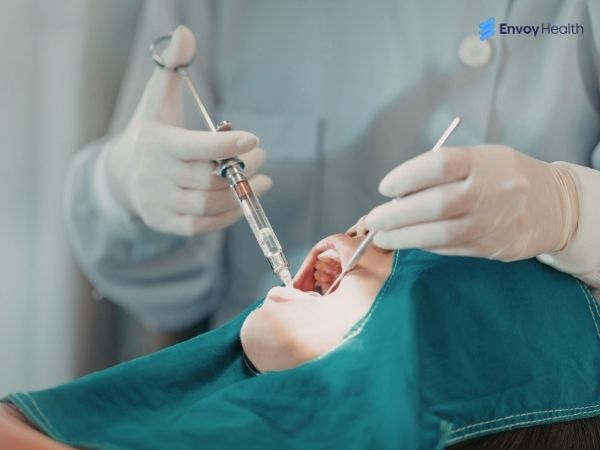
- Anesthesia: You will receive a local anesthetic (topical numbing gel) on the gums to prevent pain during the implant procedure. IV sedation (recommended in cases of dental anxiety) offers a sense of relaxation, along with the local anesthetic.
- Implant surgery: During the surgical procedure, the dentist will make incisions along the gumline to expose the jawbone. They will drill holes to position the dental implants and close the incisions using sutures.
- Tooth impressions: The dentist will collect the tooth impressions for denture fabrication. Until you are fitted with permanent dentures, the dentist covers the implant posts with temporary same-day dentures.
- Return home: The dentist checks the bite and fit to make sure the dentures feel comfortable and align correctly. You will return home the same day after receiving post-surgical instructions for pain management, diet, and cleaning.
How Is the Initial Recovery Following Dental Implant Surgery for Implant-Supported Dentures?
After dental implant surgery, you will heal at home. While most people experience an initial recovery within a week, the implants require 3-6 months for complete healing. During this period, the implant surface forms a strong bond with the surrounding jawbone. This process, called osseointegration, is crucial to implant success. You will be wearing temporary healing dentures until complete recovery. These do not attach to dental implants but remain functional during recovery. We outlined a few aspects to address during the initial recovery.
- Pain, bleeding, and discomfort: These, along with gum swelling, are expected after dental implant surgery. This will last for a few days, and you should use the pain medication. Apply an ice pack to reduce dental implant pain, slow bleeding, and reduce swelling.
- Diet: Moving the jaws to chew food can disrupt implant positioning. Dentists recommend relying on a liquid diet for the first few days. You may slowly transition to a soft diet, mashed foods, as the gums heal and bleeding stops.
- Physical activity: While you may resume activity as you feel comfortable, avoid strenuous activity for at least a week after dental implant surgery.
- Back to work: You may resume routine activities and return to work in 2-3 days. However, ensure you do not disturb the implant position and get adequate rest.
How Do You Get Fixed Implant Dentures?
Your dentist will fix the permanent fixed dentures after your gums completely healed. This involves a minor surgical procedure that is performed under local anesthesia to cut open the gums. By doing so, the dentist will gain access to the underlying implants to screw the abutments. They will close the surgical incisions using sutures and allow a brief recovery for a week. After one week, the gums will fully heal, and your dentist will secure permanent dentures to the abutments.
How Should I Care for Implant-Supported Dentures?
Proper oral hygiene is quite important for the longevity of implant-supported dentures. You should ensure that the dentures are free from trapped food particles, irrespective of whether you’ve chosen removable or fixed implant dentures. Trapped food causes infection, plaque build-up, and implant failure.
The best part of implant-supported dentures is that you can avoid external cleaning (outside the oral cavity), unlike conventional dentures. Caring for implant-supported dentures is much like caring for natural teeth.
- Brush twice daily: Use a toothbrush with soft-bristles and non-abrasive toothpaste to clean dentures and remove plaque and debris. Ensure plaque does not accumulate under the denture and around the abutment. You may use interdental toothbrushes and water flossers for this purpose. In addition, you may also use a non-alcoholic antibacterial mouthwash.
- Follow-up dental visits: Attend the regular follow-up visits so that your dentist can monitor gum health, implant healing, and integration.
- Professional cleanings: Don’t ignore professional dental cleanings, even if you maintain good oral hygiene. Professional cleanings ensure deep cleaning, inspection of screws, and removal of the denture for thorough cleaning. This ensures the longevity and improved performance of implant-supported dentures.
- Adopt a healthy regimen: Quit smoking and maintain a healthy, balanced diet to support implant healing and improve oral and overall health.
Longevity of Dentures Implant Supported
The longevity of implant-supported dentures depends on two main components: the dental implants and the dentures. Implant-supported dentures consist of surgically placed implants and permanent prosthetic teeth, and the lifespan of each component can vary based on the materials used, oral hygiene practices, and regular dental care. We have listed the most commonly asked questions below.
How Often Do Dental Implants Need To Be Replaced?
Dental implants generally last up to 25 years or a lifetime when properly cared for. Maintaining proper oral hygiene, selecting high-quality materials, and choosing the right candidate ensure better performance of dental implants. While oral hygiene helps prevent infections, the material also affects implant durability. Zirconia dental implants typically last 15-20 years, while standard titanium implants typically last more than 25 years. Besides, a clear candidate choice also matters. An adequate jawbone is a requirement for dental implant treatment. Insufficient jawbone may cause implant instability, cracks, and failure in the early years.
How Often Do Dentures Need To Be Replaced?
Implant-supported dentures undergo constant wear and tear from chewing and bite pressure. These do not last as long as dental implants and typically last for 5-10 years. Removable snap-on dentures require nylon attachment inserts every 6 months to maintain function and longevity. Habits such as smoking, tobacco consumption, and teeth grinding can significantly reduce denture durability. Bruxism, or teeth grinding, accelerates denture wear, causing the acrylic to fracture and necessitating an early replacement.
What Are the Risks of Getting Implant-Supported Dentures?
The implant-supported denture treatment is associated with a few risks, such as:
- Dental implant failure due to inappropriate osseointegration
- Denture chipping and fracture
- Incisional infection due to improper sterilization techniques and poor surgical handling
- Peri-implantitis due to compromised oral hygiene
- Nerve damage due to over-drilling, wrong implant positioning, or indirect pressure build-up due to inflammation and edema
- Sinus penetration when the implants placed within the upper jaw penetrate into the sinuses, causing intense pain and discomfort. Note that this is less likely with lower denture implant supported.
When Is It an Emergency To See a Dentist After Implant-Supported Dentures?
For successful implant-supported denture treatment, it's important that you attend your scheduled follow-up sessions with your dentist. However, you should not ignore certain warning signs, as they may lead to complications. Here are a few warning signs that indicate a serious underlying issue.
- Loose or moving implants when you bite or apply force
- Severe pain, with swelling and pus around dental implants
- Persistent bleeding from the implant site (even after 24-48 hours)
- Tingling sensation, loss of taste, and sudden numbness of the gums, cheeks, and other oral parts
- Visible breaks, cracks, or broken parts of dentures, implants, or abutments
Final Word!
Dentures implant-supported offer a stable, long-lasting solution for replacing missing teeth, improving comfort, function, and overall confidence. While the procedure involves careful planning, surgical placement, and follow-up care, the results often provide better stability and chewing efficiency than traditional dentures. Understanding the types, benefits, risks, and cost factors helps patients make informed decisions and choose a treatment approach that aligns with their oral health needs and long-term goals.
Choosing the right care makes all the difference. With Envoy Health, you’re supported at every stage of your denture treatment, from selecting experienced, trusted clinics to receiving dedicated post-treatment care, so you can move forward with confidence. Sign up for an initial consultation with world-class dentists and take the first step toward a healthier smile and renewed confidence.
References
Ready to compare Dental Work options?
Get clinic options, pricing guidance, and recovery expectations from Envoy Health before taking the next step.
Disclaimer
The information in this article is for educational purposes only and does not replace medical advice. Always consult your doctor before starting any treatments.
Published by Envoy Health. Reviewed for patient-safety framing by Envoy Health Medical Content Review. See our editorial, AI-assistance, and medical review policy.
To request a correction, email contact@envoyhealth.io with the page URL and supporting source.
Compare reviewed clinics, pricing guidance, and recovery expectations before you commit.
Many insurance plans offer partial coverage for implant-supported dentures. While insurance pays a part of the coverage amount, you should pay the remaining half. These out-of-pocket expenses generally vary based on the insurance type, denture type, and whether you choose an in-network or out-of-network dentist. However, note that insurance coverage applies only when the dentures are deemed medically necessary and you meet the specified wait-time requirements.
Yes, the implant-supported snap-on dentures are removable for cleaning purposes. These rely on a ball-or bar-restrained mechanism and can be easily removed. Removing them for cleaning is crucial to their longevity. Failing which can lead to plaque build-up, bacterial infection, and implant failure. However, it's not possible to remove fixed implant dentures at home.
Implant-supported dentures offer greater stability, durability, and function than traditional dentures. One of the major concerns with traditional dentures is slippage and loosening due to jawbone loss. Implant-supported dentures, on the other hand, rest on dental implant posts and offer a secure fit and greater stability.
So, we partner with the premier healthcare facilities!






Send me the list