Can Hair Loss Be Reversed? Here’s the Honest Answer

Compare hair transplant clinics before you commit
Get clinic options, pricing guidance, and recovery expectations from Envoy Health before taking the next step.

Key Takeaways
- The fallen hair strands leave the follicles within the scalp. These begin a new growth cycle, so hair loss can be reversed provided the follicles are not dead or damaged. Bald spots with scarred tissues, autoimmune conditions such as alopecia aerata, are left with damaged follicles, so hair regrowth is rarely possible.
- Hair loss because of hormonal imbalances, nutritional deficiencies, stress, or smoking can be reversed by addressing the underlying cause. Simpler approaches such as minoxidil, finasteride, low-level laser therapy, and nutritional supplements can induce hair regrowth within 3-4 months.
- Pattern baldness is typically addressed with hair transplantation, either alone or in combination with PRP, exosomes, minoxidil, and low-level laser therapy. Natural remedies slow hair fall, but excessive reliance on them can delay effective treatment and reduce the chances of preserving existing hair follicles. Seeking timely medical guidance helps identify the most suitable treatment approach.
Still worried about pain or recovery?
Most discomfort depends on technique, graft count, anesthesia, and aftercare. Envoy can help you compare clinics that explain the pain-management plan up front.
Understanding Hair Loss
Hair strands naturally fall out and regrow as part of the normal follicle cycle. In fact, according to the American Academy of Dermatology Association, losing about 50-100 strands a day is considered normal. These fallen strands regrow after a certain period. But when shedding exceeds 50-100, it may be considered excessive hair loss.[1] In case you are wondering, “How to tell if hair is thinning?” Don’t worry, as we have got you covered.
The excessive shedding of hair appears as gradual thinning from the top or temples, with a widening part (common in women) or a balding crown (common in men), or as circular patches. You may notice more hair on pillows, cushions, a hairbrush, or a towel. At this point, the change often becomes noticeable to the naked eye.
What Causes Hair Loss?
Hair loss can happen for numerous reasons. The interesting fact here is reason of hair fall in female are quite different from those in males. Besides, the appearance is different, meaning male pattern hair loss (androgenetic alopecia) is visibly distinct from pattern hair loss in women. Below, we list the common reasons for hair loss.[2]
- Inherited pattern hair loss
- Severe illness or a major surgical procedure
- Thyroid disease
- Stressed life (either due to work, emotional, or personal reasons)
- Conditions such as malnutrition or pregnancy
- Iron or vitamin D deficiency
- Recent history of rapid weight loss
- Certain medications such as warfarin, lithium, valpolate, retinoids, and isoniazid.
- Autoimmune conditions such as alopecia areata
Can Hair Grow Back After Balding?
Your scalp can regrow the fallen hair strands when the follicles are not destroyed or dead. Generally, the fallen strands of hair leave a healthy hair follicle inside your scalp. These follicles enter a dormant stage and regenerate after a certain period, and new strands grow out of them. This is especially true for temporary hair loss caused by stress, hormonal changes, illness, medication, and nutritional deficiencies. However, hair loss due to genetic balding rarely reverses naturally. Early intervention is important for better hair regrowth, and delay can lead to follicle shrinkage, finally causing dead tissue.
Note that hair regrowth in scarred, fibrous tissue is rarely possible. Hair follicles here are destroyed and replaced by collagen, preventing regeneration. Since hair loss can occur for various reasons, we detailed the possible regrowth options. This can help you better understand your own situation and the options available to address it.
How Do Age And Timing Affect Hair Regrowth?
Age and timing definitely influence the chances of hair regrowth. It's because hair loss in younger individuals happens due to stress or nutritional deficiencies. However, this is quite different in elderly candidates, who, in most cases, have pattern hair loss. At this point, early intervention truly makes a difference. Hair loss, when identified and treated early, has a better chance of slowing down or regrowth.
Can Hair Loss Be Reversed In Teenage Years?
Early intervention can reverse hair loss in teenagers. Hair fall during the teenage years can happen for various reasons. Slight hair loss is common and occurs due to hormonal changes during puberty. Academic stress, nutritional deficiency due to restricted diet, damaging hairstyles, and improper care add up to intensify the issue. While most of these causes are reversible, diagnosing the root cause and addressing the issue can help reverse hair loss.
A certified dermatologist or a trichologist can identify the exact cause of the issue. They will examine the scalp, assess the severity of hair loss, and consider other lifestyle factors. Based on the diagnosis, they will recommend gentle hair-care measures, dietary improvements, and stress-management techniques.
Can Hair Loss Be Reversed After Menopause?
Yes, hair loss in women after menopause is reversible, but it requires an appropriate approach. Your dermatologist will examine your scalp, conduct a few hormonal tests, and suggest minoxidil treatment or hormone therapy. Besides, hair treatments such as low-level laser therapy (LLP) and plasma-rich protein injections (PRP) also work better.
In most women, hair loss after menopause happens due to hormonal changes. This phase is associated with a rapid decline in estrogen and progesterone levels (hormones that naturally promote hair growth). Accompanying this is an increase in androgenic hormones, which cause hair follicles to shrink. These hormonal shifts slow down the hair growth cycle, leading to thinner hair and increased shedding.[3] Minoxidil, PRP injections, or LLP boost hair regrowth. However, hormonal therapy replaces the declining estrogen and progesterone levels, reducing their impact on hair follicles. However, a qualified and certified medical professional will help you determine which method is right for you. Excessive reliance on DIY methods or unverified treatments can delay proper care or worsen the underlying issue.
Can Hair Loss Be Reversed If Caught Early?
Hair loss can be reversed if acted upon early. The fallen hair strands leave dormant follicles within the scalp. Treatment at the early stages can reverse hair fall or at least slow down its progression. These range from topical applications, dietary support, LLP, PRP, exosomes, and hormonal therapy. The most suitable approach depends on the root cause, intensity of hair loss, and other health conditions.
How Health Conditions Affect Hair Regrowth?
Certain body conditions disrupt the natural hair follicle growth cycle. They may either push the follicles into a temporary dormant stage or directly harm their viability. In addition, certain lifestyle changes also have some significant influence.
Can Hair Loss From Stress Be Reversed?
Yes, stress-related hair loss can be reversed through effective stress management, proper care, and a balanced diet. Stress triggers a surge in cortisol levels, which in turn pushes the hair follicles into a dormant stage. By resolving the underlying stress factor, you will see effective hair growth within 3-6 months.
Can Hair Loss From Vitamin Deficiency Be Reversed?
Vitamin deficiency-induced hair loss can be reversed by identifying and correcting the underlying nutritional gap. Vitamins such as vitamin D, B12, zinc, and folate support scalp health with active blood circulation and oxygen delivery. Vitamin deficiency disrupts scalp health, leading to weaker, thinner hair strands and excessive shedding.
A medical professional examines your scalp and hair loss pattern and conducts a few blood tests. Once the specific deficiency is confirmed, they suggest targeted supplements. You will observe noticeable results within a few months.
Can Hair Loss From Smoking Be Reversed?
Smoking-related hair loss is, of course, reversible when caught and acted upon early. Nicotine hinders hair growth, as harmful toxins induce oxidative stress and damage hair follicles. In addition, it causes blood vessel narrowing, reducing oxygen supply, leading to follicle miniaturization and thinner, brittle hair. Quitting smoking can reverse hair loss, resulting in thicker hair strands and healthier growth within weeks. Note that you can expect reversal of hair loss symptoms only with early action. Prolonged smoking causes permanent damage to the follicles and scalp scarring. Reversal at this stage is not possible.
Can Hair Loss From Kidney Problems Be Reversed?
Hair loss due to kidney problems can result from nutritional deficiencies, toxin buildup, or medication side effects. One can attain hair growth by addressing the underlying issue. Problems with kidney function lead to the buildup of toxins in the body and the loss of essential nutrients. Uremic toxins such as creatinine and urea accumulate in the bloodstream, disrupting the hair growth cycle. Plus, the condition results in loss of a few essential nutrients from the body. Loss of proteins, iron, zinc, and folate hinders hair growth. Improving nutrition and relying on supplements work better for hair growth. However, seeking medical professional advice is recommended. A renal-friendly diet and medication are typically required for the overall well-being. Most candidates attain better hair regrowth after successful kidney transplantation.
Can Hair Loss From Hormonal Imbalance Be Reversed?
Hair fall due to hormonal imbalance can be reversed with appropriate medical advice. Addressing the underlying issues and restoring hormonal balance reverses hair loss. Expect a gradual recovery with noticeable results within 3-6 months.
Hormonal imbalance is prevalent among women. It is different with age and occurs due to pregnancy, PCOS, thyroid dysfunction, and high stress. Irrespective of the cause, most of these endocrinological issues cause follicular shrinkage, shortening the growth phase of hair follicles. This pushes the hair follicles into a dormant stage, causing hair thinning and brittleness.
Treatment may include minoxidil, addressing the underlying medical condition, or hormonal therapy. These should aim to manage the imbalance and improve hair growth. It is important to note that hormonal imbalance does not present the same way in every individual. So treatment plans are tailored to the patient’s specific condition.
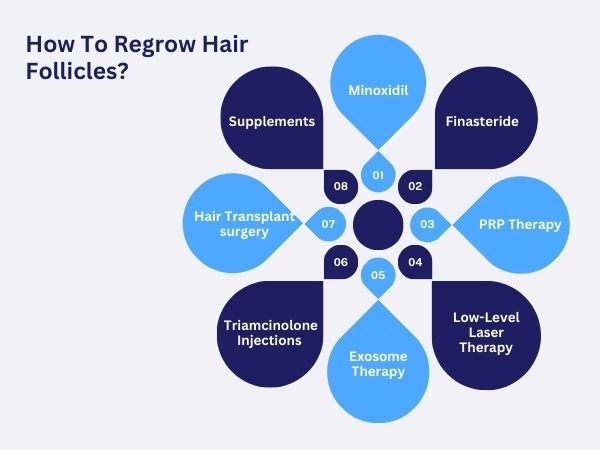
How To Regrow Hair Follicles?
Hair follicle regrowth depends on the condition of the hair follicle and the underlying cause of hair loss. Regrowth happens when the follicles are weakened but still viable. Various methods of treatment are available. The right approach varies with the root cause and the individual's overall health condition. A qualified medical professional will help you choose the appropriate method for your condition. Below, we detail them for clarity.
Minoxidil
Minoxidil, also known as Rogaine, is a popular over-the-counter topical treatment for hair loss. While minoxidil topical gels and foam are popular, oral medications are also available. Suppose you are wondering about “how can hair loss be reversed with minoxidil?” Here is the answer.
Applying minoxidil directly to the scalp boosts blood circulation and prolongs the follicular growth phase. The overall result is reduced hair fall and increased strand thickness. It is ideal for the early stages of male balding, offering noticeable results within 6-9 months of topical application. Minoxidil is an FDA-approved hair loss treatment for both men and women.[4] It is safe to use, with minimal side effects. However, note that this approach does not work for advanced stages with scarred and receding hairlines.
Finasteride
Finasteride, commonly branded as Propecia, is available as an oral medication for hair loss. It is FDA-approved for the treatment of pattern hair loss in men.[5] It specifically blocks the hormone responsible for male pattern hair loss. Finasteride can be the best hair loss treatment for male when used consistently. If stopped, hair loss may resume within 6-9 months. Note that finasteride is not for women, as it may cause severe birth defects.
Platelet-Rich Plasma Therapy
Platelet-rich plasma therapy (PRP) is a safe and effective treatment for hair regrowth in both men and women. Platelet-rich plasma separated from the patient's own blood is rich in growth factors that promote hair regrowth. While the results are guaranteed, they are not immediate. Expect effective results after 3-4 PRP sessions, spaced at specific intervals, depending on the severity of hair loss. This method is often combined with minoxidil or hair transplant surgery. Being minimally invasive, it is the most commonly opted-for treatment and, in fact, the best hair loss treatment for female candidates.
Low-Level Laser Therapy
The low-level laser therapy (LLLT) treats hair loss by emitting red or near-infrared light. It stimulates epidermal stem cells and increases the blood flow to the scalp. This aids in follicular activation and boosts blood supply, delivering more oxygen and nutrients to the hair follicles. The overall effect will be hair regrowth with enhanced strand thickness and density. LLP is most commonly chosen for its non-invasive procedure and quick recovery. The best part is that this method is effective for both men and women and has the fewest side effects. However, only experts in the field can perform this procedure, and it requires specialized infrastructure.[6]
Exosome Therapy
Exosomes are derived from stem cells collected from the patient's own blood. These are rich in growth factors, RNA, and proteins that stimulate active hair growth. These also promote the formation of new blood vessels, thereby improving nutrient and oxygen supply to the follicles. Exosome therapy for hair loss is safe and, being minimally invasive, it is often combined with hair transplant procedures for better results.
Triamcinolone Steroid Injections
The triamcinolone steroid injections work for hair loss due to autoimmune conditions such as alopecia areata. These steroid injections work as anti-inflammatory agents. They suppress the action of white blood cells to attack and damage healthy hair follicles. This treatment works better for non-scarring hair loss. Triamcinolone steroids are injected into the scalp at prescribed intervals. This method of treatment is limited to early patch stages of alopecia areata and is not for complete balding.[7]
Hair Transplantation
Hair transplant surgery is the procedure of moving the viable, healthy hair follicles from the dense hair areas of the scalp to the balding areas. Each individual graft is harvested and transplanted carefully to continue the natural growth cycle. Depending on the technique and tools used, hair transplants can be performed using FUE, FUT, or DHI. Advanced tools and modern techniques ensure scar-free results within 9-12 months following the procedure. The best part is that hair transplant results are permanent and do not require maintenance procedures. However, hair transplant surgeries are quite expensive and require specialized hair transplant surgeons to perform them.
Supplements
Supplements may be an option for individuals who are not ready to begin prescription medications or undergo invasive procedures. They can also be helpful for those experiencing hair loss linked to nutritional deficiencies. However, it is advisable to obtain a proper diagnosis before starting any supplement regimen, as hair loss does not always result from nutrient deficiency. Identifying the exact cause helps ensure that the chosen supplements are appropriate and effective. Common supplements used to support hair health include iron, zinc, biotin, and collagen, which may help address underlying nutrient gaps associated with hair loss.
Natural Remedies
While many nature-based commercial preparations claim better hair growth, there isn’t enough scientific evidence in this regard. Maintaining a consistent hair care routine, proper nutrition, regular scalp massages, and effective stress management are the keys here.
How To Stop Hair Loss Naturally?
Certain natural habits can help reduce hair shedding by improving scalp health and minimizing damage to hair follicles. Maintaining a balanced diet, managing stress, and following gentle hair care practices play an important role. Regular scalp massages with oils such as coconut, castor, or almond oil may improve blood circulation to the scalp. Limiting excessive heat styling, avoiding tight hairstyles, and keeping the scalp clean can also help protect the natural scalp environment and reduce unnecessary hair breakage.
Can Hair Loss Be Reversed Naturally?
Some natural approaches may also help support hair regrowth by improving follicle health and providing the nutrients needed for the hair growth cycle. A diet rich in protein, iron, zinc, and vitamins is essential for healthy hair follicles. Regular scalp massages may help stimulate blood flow, which supports nutrient delivery to the follicles. Managing stress, maintaining good sleep habits, and addressing nutritional deficiencies can also create conditions that support healthier hair growth over time.
What Does Natural Hair Care Do?
Natural hair care relies on maintaining better scalp health, using gentle practices, and naturally derived nutrients. Note that natural hair care may not always reverse conditions like genetic hair loss. However, it can help reduce unnecessary hair breakage, improve scalp health, and create conditions that support stronger and healthier hair over time.
Keeping the scalp healthy and free from infections while ensuring it receives adequate nutrients is essential for supporting hair growth. Rely on soft shampoos, avoid complex formulations, and harsh chemical dyes. This ensures that hair follicles remain in the active growth phase without causing inflammation or damage.
Adopt a health diet by including foods rich in proteins, iron, biotin, omega-3 fatty acids, vitamin A, C, and E. These protect scalp and follicular health, and prevent inflammation. Besides, certain vitamins help in iron absorption and collagen production. These are crucial for hair growth and the active growth cycle.
Scalp massages with oils such as coconut, castor, or almond oil may help improve blood circulation. Gentle hair-washing practices and limiting excessive heat styling can also help protect the scalp’s natural environment.
Effective stress management, such as practicing yoga, meditation, and regular exercising boosts blood circulation to the scalp. These lower the cortisol and adrenaline levels, thereby preventing premature shedding of hair follicles.
Together, these habits support healthy hair follicles by improving blood flow and ensuring they receive enough oxygen and nutrients to sustain the hair growth cycle. Note that these natural remedies address hair loss caused by lifestyle factors, such as a complex lifestyle and improper hair care. Hair loss due to inadequate nutrition, scalp issues, or underlying health problems requires specialist attention.
How Does A Medical Professional Help You Deal With Hair Loss?
While hair loss relates to aesthetics, it is driven by complex, underlying biochemical and genetic factors. Excessive hair loss over longer periods can lead to scalp scarring and permanent follicular damage. See your dermatologist or a trichologist when hair loss is excessive. They will conduct an in-depth evaluation to find the underlying cause. They will examine your scalp and order blood tests to determine whether it's due to hormonal changes or a nutritional deficiency.
Based on the blood test results, they will confirm the root cause and, depending on this, suggest the appropriate treatment approach. In most cases, the early stages of hair loss due to lifestyle and malnutrition are treated through minoxidil, finasteride, and supplements. Hair transplants are typically recommended to treat early-stage pattern baldness. Depending on the intensity of hair loss, combination treatments with minimally invasive PRP and exosome therapy are recommended.
Final Word!
In many cases, hair loss can be managed or even reversed, but the outcome largely depends on the underlying cause and the timing of treatment. Factors such as nutritional deficiencies, stress, hormonal changes, and certain health conditions may respond well to appropriate treatment and lifestyle adjustments. However, when hair follicles are permanently damaged or replaced by scar tissue, regrowth may be limited. Understanding the cause of hair loss and seeking timely medical guidance can help determine the most effective approach, whether it involves medical treatments, lifestyle changes, or supportive hair care practices.
If persistent hair loss is affecting your confidence, getting the right guidance can make a difference. At Envoy Health, we help patients find trusted treatment options, from medical therapies to advanced hair restoration procedures, with support every step of the way. Sign up with Envoy Health to learn more about your options and connect with experienced specialists who can guide you toward the right solution.
References
Ready to compare hair transplant options?
Get clinic options, pricing guidance, and recovery expectations from Envoy Health before taking the next step.
Disclaimer
The information in this article is for educational purposes only and does not replace medical advice. Always consult your doctor before starting any treatments.
Published by Envoy Health. Reviewed for patient-safety framing by Envoy Health Medical Content Review. See our editorial, AI-assistance, and medical review policy.
To request a correction, email contact@envoyhealth.io with the page URL and supporting source.
Compare reviewed clinics, pricing guidance, and recovery expectations before you commit.
To stop hair fall immediately, shift to gentle hair care measures. Rely on sulfate-free shampoos, avoid complex formulations for hair care products, and avoid tight ponytails and harsh styling techniques. Get gentle massages using coconut oil or rosemary oil, and clean your scalp to avoid infections. Adhere to a balanced diet rich in omega 3-fatty acids, antioxidants, proteins, and iron. Keeping your scalp clean and ensuring adequate blood circulation to the hair follicles ensures they receive a proper supply of oxygen and nutrients.
Yes, hair loss can be reversed without surgery if the underlying cause is malnutrition, hormonal imbalance, smoking, or kidney issues. Reversing the conditions and addressing the underlying cause can reverse hair loss. In addition, supplying adequate nutrients, ensuring proper blood supply, and scalp health can reverse hair loss.
Popular natural remedies for regrowing hair include scalp massages with coconut oil, aloe vera, onion juice, and Bhringaraj. These are believed to improve blood circulation and boost scalp health, thereby stopping hair loss and helping regrowth. However, these lack much scientific evidence.
So, we partner with the premier healthcare facilities!


Send me the list