What Vitamins Deficiency Causes Hair Loss: A Closer Look At What Your Body Needs

Compare hair transplant clinics before you commit
Get clinic options, pricing guidance, and recovery expectations from Envoy Health before taking the next step.
Table of contents
Key Takeaways
- Hair loss can happen due to the lack of vitamins such as D, B2, B3, B7, B12, A, E, and C. These vitamins play a crucial role in hair follicle growth, scalp health, and blood circulation.
- Vitamin deficiency causes a nutrient deficit, pushing hair follicles into the temporary resting phase, a lack of scalp hydration, and brittle and weakened hair. Increased hair shedding, along with reduced growth, leads to hair thinning spread across the scalp.
- Identifying the underlying vitamin deficiency cause and shifting to a balanced diet can reverse hair loss symptoms. While gut absorption issues need appropriate medical treatment, severe deficiencies are addressed with oral supplements.
Still worried about pain or recovery?
Most discomfort depends on technique, graft count, anesthesia, and aftercare. Envoy can help you compare clinics that explain the pain-management plan up front.
Hair Loss Causes
Hair loss occurs due to various factors. Regardless of the underlying reason, it is stressful, hurting the emotional, psychological, and physical well-being. Losing a few strands while brushing or showering is completely normal. But when hair fall becomes excessive, showing up on your pillow, in the shower, or on your comb, it may be a sign of something more serious. While it may appear as a receding hairline, thinning hair with a diffuse hair-fall pattern all over the scalp, a bald crown, or hair-fall patches, hair fall in any form can disrupt the balance of life. The general causes include:
- Hereditary (pattern alopecia)
- Hormonal changes
- Stress
- Certain health conditions and ongoing medications
- Autoimmune diseases
- Styling and excessive chemical damage
- Vitamin and mineral deficiency
Vitamin Deficiency And Hair Loss
When nutrient intake is insufficient, the body lacks adequate vitamins, and this can eventually lead to many health issues. Among other things, hair loss is an unexpected yet obvious consequence of insufficient vitamin intake. Poor intake, restricted diets (due to lifestyle or health conditions), and certain medical conditions that interfere with nutrient absorption generally lead to vitamin deficiencies.
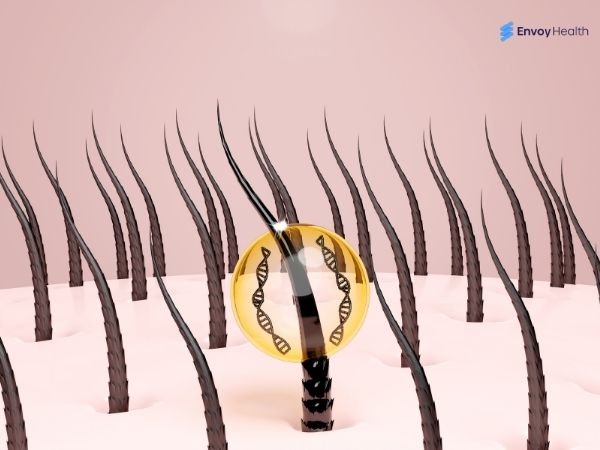
Hair growth involves various mechanisms of cell division, growth, and development. This needs an adequate supply of oxygen and nutrients. A diet rich with vitamins and minerals ensures proper scalp oxygenation, supports keratin production for hair strand thickness, and helps prevent hair shedding. Altogether, adequate vitamin supply protects the hair follicles, regulates oil production, and prevents brittle, damaged hair.
What Are The Vitamins For Hair Growth And Thickness?
The best vitamins required for hair growth and thickness include vitamin D, vitamin B2, vitamin B3, vitamin B7, vitamin A, vitamin E, and vitamin C. Each vitamin plays a role in protecting the hair follicle, and a deficiency can adversely affect overall hair growth. Below, we detail the role of each vitamin, its risk factors, the symptoms of deficiency, and better ways to boost its levels.
Vitamin D Deficiency And Hair Loss
Vitamin D, also known as calciferol, is a fat-soluble vitamin available in two forms, vitamin D3 and vitamin D2. It is involved in calcium absorption and is crucial for bone health. Its deficiency causes hair loss because low vitamin D levels push hair follicles into a resting phase, increasing hair shedding. Low vitamin D levels can cause the following symptoms, in addition to hair loss.
- Persistent fatigue with muscle weakness
- Bone and muscle pain
- Mood changes
- Low bone density
- Frequent infections
- Slow wound healing
Generally, low vitamin D levels result from inadequate sunlight exposure, poor dietary intake, intestinal absorption issues, and limited dairy intake. It's important that you consult a qualified professional in case you notice extreme fatigue alongside hair loss. Sometimes, neglecting the symptoms can make you ignore chronic metabolic or absorption issues.
Spending time outdoors in sunlight and correcting dietary issues can help resolve vitamin D deficiency to some extent. Plus, your doctor will recommend certain dietary changes to meet the daily vitamin D intake. These include cow, almond, oat, and soy milk, and fatty fish, egg yolks, and mushrooms. Some candidates may require vitamin D supplements. However, strictly adhering to the recommended dosage is mandatory. While overdosage does not promote hair regrowth, it can cause unnecessary issues such as nausea, bloating, and calcium buildup.
Vitamin B12 Deficiency And Hair Loss
Vitamin B12, referred as cobalamin, is a water-soluble nutrient with a crucial role in red blood cell formation and brain health. Suppose you ask us, "What vitamin deficiency causes hair greying?" The answer is vitamin B12. Its deficiency is associated with significant hair loss, mainly due to its role in RBC formation. Candidates experience hair thinning and premature greying. Vitamin B12-deficient candidates show a low RBC count and reduced oxygen supply to the hair follicle. Eventually, the follicles weaken, prompting them to enter a resting phase and increased hair shedding.
Other symptoms you should look for besides hair loss in vitamin B12 deficiency include fatigue, pale skin, tingling and numbness in the feet and hands, and memory loss. Generally, elderly candidates and those relying strictly on a vegan diet, and those with intestinal absorption issues, are more likely to experience vitamin B12 deficiency. Supplying the body with adequate vitamin B12, either through supplements or diet, can reverse hair loss. Including animal-derived foods (such as meat, fish, poultry, liver, eggs, and dairy) and cereals can help you provide the body with the required vitamin B12 levels. Most commonly recommended supplements include cyanocobalamin and other B-complex vitamins, generally administered orally.[1]
Vitamin B2 Deficiency And Hair Loss
Vitamin B2 (riboflavin) is a water-soluble vitamin essential for cellular mechanisms. It maintains healthy nervous systems, skin, and eyes, and also plays a crucial role in hair growth.[2] It works as a coenzyme in energy metabolism, and low vitamin B2 levels disrupt protein metabolism and energy production in hair follicles. The end outcome is weak hair follicles and increased hair shedding.
Other common symptoms include fatigue, feelings of depression, cracked and swollen lips, sore throat, and blurry vision. Candidates strictly relying on a vegan diet, and those with riboflavin absorption issues, are more likely to experience hair loss due to vitamin B2 deficiency. Supply the body with adequate vitamin B2 by including dairy foods, eggs, lean meat, green leafy vegetables, and fortified cereals. Doctors recommend oral vitamin B complex supplements in cases of severe vitamin B complex deficiency. Note that an excess dose does not guarantee immediate results but can lead to adverse outcomes.
Vitamin B3 Deficiency And Hair Loss
Vitamin B3, also called niacin, is another water-soluble vitamin that supports energy metabolism and maintains healthy hair, skin, and nerves. A deficiency of vitamin B3 causes thin, brittle hair and poor scalp blood circulation. Low vitamin D3 levels deprive hair follicles of nutrient supply, causing symptoms such as lifeless, brittle, and thinned hair across the scalp.
If your hair fall is accompanied by symptoms, such as skin dermatitis, dementia, and diarrhea (in severe cases), it's best to see your doctor. A diet rich in meat, eggs, poultry, fish, nuts, legumes, whole grains, green peas, avocados, and potatoes provides the body with adequate vitamin B3.[3] Severely deficient candidates are recommended with vitamin B complex oral supplements. However, over dosage is never recommended.
Vitamin B7 Deficiency And Hair Loss
Vitamin B7, also called Biotin, is a water-soluble vitamin known for its crucial role in carbohydrate, fat, and protein metabolism. The human body requires adequate quantities of vitamin B7 to maintain good health of nerves, hair, skin, and nails. Low levels of vitamin B7 lead to lethargy, numbness and tingling in the hands and legs, and hair loss.
Typically, vitamin B7 is essential for keratin production (a protein related to hair structure). And low niacin levels weaken the hair strands, causing a brittle texture and eventually hair shedding. Suppose you ask us, “What vitamin deficiency causes hair loss and brittle nails?” It is biotin. Since vitamin B7 plays an important role in keratin production, an essential component of fingernails, its deficiency causes brittleness in nails. See your doctor if the hair loss is accompanied by brittle nails, dry skin, or conjunctivitis. Doctors confirm the vitamin deficiency by performing blood tests. They will recommend specific dietary changes and oral supplements in cases of deficiency. Include egg yolk, liver, meat, salmon, poultry, almonds, peanuts, sunflower seeds, sweet potatoes, and avocados in the diet.
Vitamin A Deficiency And Hair Loss
Vitamin A is the fat-soluble vitamin essential for cell growth, sebum production, and keeping the scalp hydrated. Proper hydration ensures the scalp is free from itchy dandruff, and you won’t notice brittle hair as well. Plus, vitamin A promotes healthy hair growth by repairing the hair follicles. Its deficiency causes epithelial cell stratification, blocking hair follicle growth.[4]
Hair loss due to vitamin A deficiency appears as thinning hair with diffuse hair loss all over the scalp. The hair becomes brittle and lifeless, and the scalp lacks hydration, leading to dandruff. You will notice increased shedding, with follicular keratitis appearing as small, rough, bumpy skin. Besides, you will also notice symptoms of night blindness, dry eyes, and frequent infections. Doctors recommend vitamin A-rich foods such as carrots, sweet potatoes, eggs, dark leafy vegetables, liver, dairy products, salmon, butter, and fortified milk. In cases of severe deficiency, you may also opt for supplements either as preformed vitamin A or a combination of preformed vitamin A and carotenoids. However, note that overconsumption of preformed vitamin A causes headaches, blurred vision, dizziness, muscle aches, and nausea.
Vitamin E Deficiency And Hair Loss
Vitamin E, the fat-soluble antioxidant vitamin, protects the body cells from damage. By doing so, it supports the immune system and helps maintain healthy skin, eyes, and hair. But lower vitamin E levels increase oxidative stress, damaging the follicles and weakening the hair strength. You will notice brittleness and dryness in the hair, with weakened strands ready to break. You will notice increased shedding and hair thinning, dispersed throughout the scalp. In severe deficiency, a dry, flaky, and irritated scalp with dandruff also occurs. You will notice other body symptoms such as fatigue, muscle weakness, vision issues, weakened immune systems, and frequent infections alongside hair loss when it's due to vitamin E deficiency. Generally, vitamin E deficiency is rare. Candidates with chronic intestinal absorption disorders are likely to develop the condition.
A vitamin E-rich diet improves the condition. You may include vegetable oils such as sunflower oil, wheat germ oil, soybean oil, and canola oil, as well as almonds, sunflower seeds, peanuts, and hazelnuts. Vegetables and fruits such as broccoli, spinach, beets, and avocado, as well as fortified cereals, are also rich sources of vitamin E. In cases of severe vitamin E deficiency, you will be recommended in the form of alpha-tocopherol. Avoid overdosage as it may interfere with vitamin K absorption.[5]
Vitamin C Deficiency And Hair Loss
While it may sound wondering, vitamin C deficiency also causes hair loss with significant changes in hair texture. Vitamin C is majorly involved in collagen production and iron absorption in the body. Lower levels disrupt collagen production and lead to low iron levels, depriving hair follicles of oxygen. Reduced blood supply to hair follicles deprives them of oxygen and nutrients, making hair weak and brittle and prone to splitting. Due to a lack of collagen (a structural protein for hair), your hair becomes coiled or curled, a main indication of hair loss due to vitamin C deficiency.[6] In addition, you will notice red or purple spots around the hair follicles; it's called perifollicular hemorrhages.
Since the body lacks collagen production, other symptoms accompany hair loss due to vitamin C deficiency. You will see signs of bleeding gums, iron deficiency, slow wound healing, and bruising. You should include more citrus fruits and vegetables in your diet to address the deficiency. Foods rich in vitamin C include broccoli, bell peppers, kale, cabbage, spinach, oranges, strawberries, kiwis, black currants, papaya, potatoes, and sprouts. Severe vitamin C deficiency is treated with oral supplements. In patients with chronic conditions and gut absorption issues, intravenous vitamin C is recommended. Note that habits such as smoking and alcohol consumption reduce vitamin C absorption. Cutting them off has better results for hair regrowth and overall body condition.
Does Taking Too Many Vitamins Cause Hair Loss?
Yes, overconsumption of vitamins (supplements) causes hair loss. Especially when overdosed, biotin, vitamin A, and vitamin E cause hair loss. These interfere with follicular cell turnover, leading to hair thinning and brittleness. The other vitamin overdose, although it does not directly affect hair growth, can still affect the body's overall metabolism. Symptoms of nausea, dizziness, and discomfort are common.
What Vitamin Deficiency Causes Hair Loss In Females?
Women generally experience hair loss due to deficiencies of vitamins D and B12, and minerals such as iron and zinc. Females are more prone to blood loss during menstruation, pregnancy, and hormonal shifts. A balance of vitamins and nutrients is crucial for healthy hair growth and overall functioning of the body. Deficiencies disrupt the hair follicle growth, oxygen and nutrient supply, scalp health, and its hydration. The overall outcome is brittle hair, thin and weakened hair strands, and increased hair shedding. Supplements for hair loss in females can reverse the condition within a few months. You will start to notice hair regrowth along with an improvement in overall body function.
What Vitamin Deficiency Causes Hair Loss In Males?
In men, vitamin D, along with zinc and iron deficiencies, causes hair loss. Although most men experience hair loss due to a pattern balding (androgenic alopecia), studies have shown that vitamin D supplementation can improve hair regrowth.[7]
Hair Loss Due To Vitamin Deficiency Will It Grow Back?
Hair loss due to vitamin deficiency will start to grow back when you provide the body with adequate amounts of the lacking nutrients. Shifting to a balanced diet ensures adequate intake of nutrients and minerals for growing hair follicles. Alternatively, one can also rely on oral supplements for better outcomes. Intravenous supplementation is generally recommended only for chronic medical conditions that affect intestinal vitamin absorption. This typically reverses hair loss within 3 to 6 months.
Final Word!
Hair loss isn’t always just a surface-level concern. It can often point to what’s happening inside your body. Understanding what vitamins deficiency causes hair loss helps you take a more informed and balanced approach to treatment. Instead of turning to quick fixes or over-supplementing, focusing on the right nutrients through a healthy diet and proper guidance can make a real difference. With the right steps, restoring your nutrient levels can support healthier, stronger hair over time.
Hair loss treatment doesn’t have to be confusing or overwhelming. At Envoy Health, we help you find trusted clinics and personalized care tailored to your needs. Sign up today to find safe, affordable treatment options and get expert support every step of the way.
References
Ready to compare hair transplant options?
Get clinic options, pricing guidance, and recovery expectations from Envoy Health before taking the next step.
Disclaimer
The information in this article is for educational purposes only and does not replace medical advice. Always consult your doctor before starting any treatments.
Published by Envoy Health. Reviewed for patient-safety framing by Envoy Health Medical Content Review. See our editorial, AI-assistance, and medical review policy.
To request a correction, email contact@envoyhealth.io with the page URL and supporting source.
Compare reviewed clinics, pricing guidance, and recovery expectations before you commit.
Candidates with severe vitamin B12 deficiency experience hair loss along with premature white hair. Vitamin B12 is essential for RBC (red blood cell) formation. A lack of vitamin B12 reduces oxygen supply to hair follicles, impairing their growth and development. Eventually, you will notice hair loss and premature whitening.
Vitamin B7 is essential for keratin production. Its deficiency hampers keratin production in the body. Keratin is a major protein in the hair, nails, and skin. A balanced production maintains a healthy growth of hair, nails, and skin. And a lack of vitamin B7 is usually associated with brittle hair, nails, and dry skin.
Hair loss in children is typically temporary, with vitamin deficiencies being a rare cause. Generally, children in their growing years rarely develop vitamin deficiencies when they rely on a balanced diet. Picky eaters and those with absorption issues are likely to suffer from mineral deficiencies such as iron and zinc.
Toddlers in their developing years rarely suffer from vitamin deficiency-associated hair loss issues. Hair loss in this age group can be caused by fungal infections, high fever, or other medical conditions. It's important to see a pediatrician before things get out of hand.
Women in their postpartum experience a dropping estrogen levels. Alongside breastfeeding, the infant can also cause lowered vitamin D and biotin levels in the body. Besides, iron and zinc deficiencies are also common contributing factors during this phase of life. It's important to supply the body with adequate amounts of vitamins and minerals for the well-being of the mother and newborn.
So, we partner with the premier healthcare facilities!


Send me the list