Do Hair Transplants Hurt? A Realistic Look At Pain And Recovery

Compare hair transplant clinics before you commit
Get clinic options, pricing guidance, and recovery expectations from Envoy Health before taking the next step.
Key Takeaways
- Hair transplant cost and the fear of pain are the two biggest reasons people avoid undergoing the procedure.
- Local anesthesia is used during hair transplantation to block pain sensation in the donor and recipient areas. Slight discomfort and a feeling of tightness are common during and early after the procedure.
- Scalp irritation, sense of tightness, itching, and slight discomfort occur early after hair transplant surgery. Using pain medication, an antibiotic regimen, and following the aftercare measures to keep the scalp clean while protecting the new grafts eases recovery after hair transplants.
Still worried about pain or recovery?
Most discomfort depends on technique, graft count, anesthesia, and aftercare. Envoy can help you compare clinics that explain the pain-management plan up front.
How Does Hair Transplant Work?
Hair transplant surgery involves transplanting healthy, viable follicles from the donor area to the balding spots. The back and sides of the scalp are usually the donor areas, while the recipient areas are the hair-thinning or balding areas.[1] Hair transplant surgeons use a selective candidate selection process and specialized tools. The implanted hair grafts are cared for to maintain viability. Once transplanted, these grafts settle into their new location and continue their natural growth cycle. Over the following months, new hair gradually grows in, improving coverage in the treated areas.
Does It Hurt To Have A Hair Transplant?
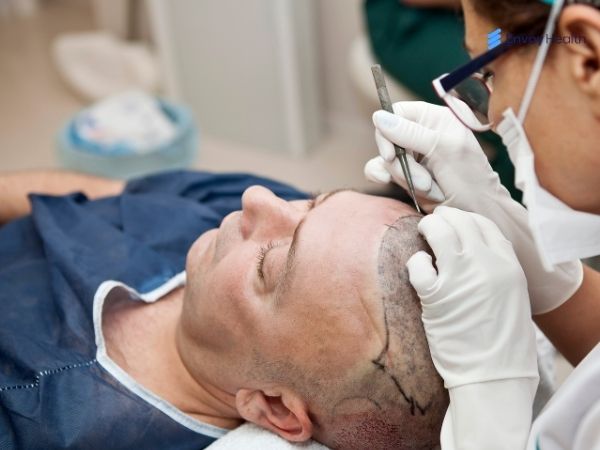
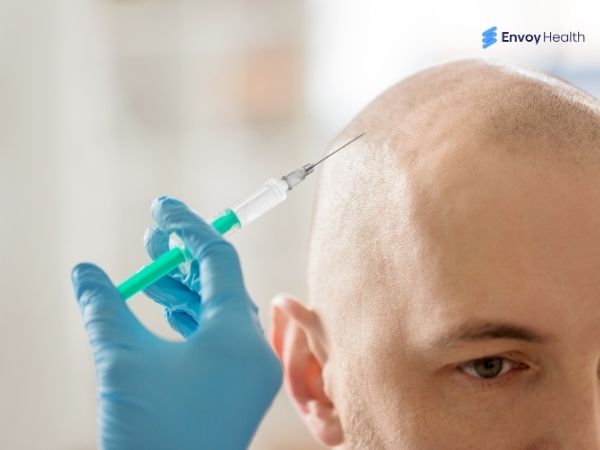
Hair transplant surgery is virtually painless as it's carried out under local anesthesia. Hair transplant specialists numb the scalp before the procedure. Local anesthetics such as lidocaine are typically used to block pain sensation in the donor and recipient areas.[2] All you might feel is a brief stinging sensation from anesthesia injections. Some advanced clinics use modern technology to reduce discomfort from anesthetic injections. Using oral or intravenous sedatives offers a sense of relaxation. Some hair transplant specialists use fine needles, vibration devices, and pre-cooling of the skin to minimize discomfort from anesthesia injections. Applying ice packs and gently tapping the area reduces the pricking sensation.
After the procedure, the anesthesia slowly wears off, and you may feel slight pressure, tightness, and discomfort in the scalp. It is mainly due to the tiny, sharp-needle-prick-sized incisions on the scalp made during the graft placement. Don’t worry, this discomfort slowly subsides as the incisions heal.
How Long Do Hair Transplant Hurt?
While the hair transplant procedure is not painful, you might feel slight discomfort once the numbing effect of the anesthesia fades. This is usually mild to moderate, tends to peak between 24 and 48 hours, and subsides in a few days. However, note that this is well-tolerated discomfort and should not be confused with true pain. Sensations of tightness, throbbing, and sunburn-like feelings are common early after the procedure. Using painkiller medication along with the prescribed antibiotic dosage helps manage pain and discomfort.
Comparing Pain: How Does a Hair Transplant Feel?
Hair transplants won’t typically work the same for everyone. That said, the pattern of pain and soreness is similar, but the intensity can vary based on the individual's sensitivity, anxiety, and overall comfort levels. We compared it so you can set realistic expectations.
How Sore Is a Hair Transplant?
Soreness and tightness after a hair transplant feel similar to those of wearing a tight cap for too long. And the scalp feels much like suffering a moderate sunburn. You will notice peak soreness around 24-48 hours after hair transplant surgery. Don’t worry, as it subsides within 3-7 days and is easy to manage. Following the aftercare instructions helps your scalp heal better and eases post-procedural pain and discomfort.
Does Hair Transplants Hurt More Than a Tattoo?
Most patients feel a hair transplant is less painful than getting a tattoo. While hair transplant treatment causes slight pain due to the stinging of the local anesthetic injection, the entire procedure feels painless. All you might sense is a slight discomfort or tightness. This actually feels much less painful than getting a tattoo, that involve continuous sharp needle pricks.
Does a Hair Transplant Hurt More Than Laser Hair Removal?
While both are painless procedures, the discomfort and tightness from a hair transplant last slightly longer than those from laser hair removal. While the hair transplant surgery itself is not painful, scalp tightness and pressure can last for at least a week. The stinging sensation of laser hair removal, on the other hand, is quick and disappears instantly.
Does a Hair Transplant Hurt More Than Mole Removal?
Hair transplants can feel slightly more painful and uncomfortable than mole removal. While both procedures are performed under local anesthesia, a hair transplant is carried out over a wider area, resulting in burning, itching, and a tight sensation across the scalp. Mole removal, on the other hand, might seem simple and quick, with a stinging sensation from the local anesthetic.
Does Hair Transplant Hurt a Lot?
Hair transplants typically do not hurt much, except for the initial stinging sensation from the anesthetic injection. The pain and discomfort after hair transplant surgery typically subsides in a week. Persistent pain and prolonged discomfort indicate scalp infection, either due to inappropriate aftercare or improper graft handling. See your doctor if there is abnormal swelling, persistent pain, fluid oozing out, redness, or inflammation. Mere neglect can lead to unnecessary complications.
When Do Hair Implants Hurt More? Know The Factors That Affect Pain
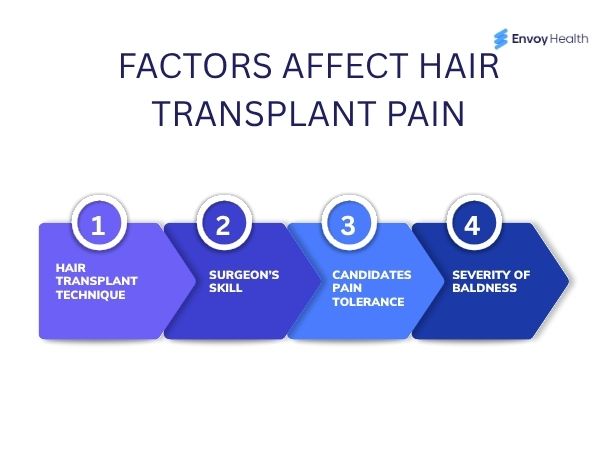
Here are a few factors that influence pain caused by hair implants:
- Hair transplant technique: The technique used influences pain and healing during the recovery phase. Typically, techniques like FUE and DHI are less painful and offer a smoother recovery than FUT. Since the entire procedure is performed after the scalp is numbed, there won’t be much difference during the procedure. But the recovery varies considerably.
- Surgeon’s skill: Experienced surgeons work with precision and cause less tissue trauma. Sharp, precise cuts for graft implantation heal better. Besides, the selection of micropunch size influences tissue damage, which in turn affects healing and pain.
- An individual's pain tolerance: Individuals with lower pain tolerance often report discomfort. Although a local anesthetic is used, pain is typically subjective. Anxiety and fear can make the overall experience uncomfortable.
- Severity of baldness and graft number: The greater the severity of baldness, the greater would be the hair graft number and transplant area. Large bald areas require mega sessions that demand longer treatment durations, repeated anesthesia doses, and longer healing time.
Ways To Mitigate Pain After a Hair Transplant
Follow a gentle scalp-care routine and use appropriate resting positions during the early days after hair transplantation. Use the prescribed antibiotics and pain medication for the initial few days. Your new hair grafts are still adjusting. Exposing them to adverse conditions harms their microenvironment, hurting their ability to grow. Here are a few points to keep in mind.
- Wear the therapeutic headband on your forehead for a few days.
- Do not scratch, touch, or wash the scalp for the first 48 hours. Don’t worry, you will get the first hair wash after the hair transplant surgery at the clinic.
- Use mild shampoos and gentle methods to clean the scalp. Aggressive handling disturbs the grafts.
- Sleep on your back with the head elevated for the first few days to prevent swelling of the eyes and forehead.
- Avoid physical strain and bending over. Refrain from smoking and alcohol consumption.
- Wear a cap when you are outdoor, to protect the new grafts from dust and direct sunlight.
- Apply a cold compress to the forehead and donor areas on the scalp. While this reduces swelling and inflammation, avoid touching the recipient areas.
Final Thoughts
Pain during hair transplantation surgery is actually a myth. While the procedure is largely painless, a slight sense of discomfort, with pressure and tightness, is common. The local anesthetic injected before surgery blocks the pain mechanism, easing the patient's experience. Proper patient counseling to understand various anesthesia options and prior anesthesia experience helps reduce anxiety. It also improves the overall patient satisfaction by enhancing comfort and reinforcing trust.
A personalized consultation can help you understand the procedure along with the possible outcomes. At Envoy Health, we connect you with the top hair transplant specialists focused on high-quality care and natural-looking outcomes. Sign up today and take a step towards world-class care to restore lost confidence and quality of life.
References
Ready to compare hair transplant options?
Get clinic options, pricing guidance, and recovery expectations from Envoy Health before taking the next step.
Disclaimer
The information in this article is for educational purposes only and does not replace medical advice. Always consult your doctor before starting any treatments.
Published by Envoy Health. Reviewed for patient-safety framing by Envoy Health Medical Content Review. See our editorial, AI-assistance, and medical review policy.
To request a correction, email contact@envoyhealth.io with the page URL and supporting source.
Compare reviewed clinics, pricing guidance, and recovery expectations before you commit.
Hair transplants are typically safe. The grafts are harvested from the donor area to avoid graft rejection or allergic reactions. The results are safe and guaranteed when performed on a suitable candidate by a skilled and experienced hair transplant specialist. Selection of the right candidate, use of the appropriate technique, and adherence to aftercare measures lead to safe results.
Hair transplant takes around 4-8 hours for one session. The greater the severity of baldness, the more a candidate may require longer or follow-up sessions. The procedure is tedious and involves harvesting a single graft and implanting it in the recipient site.
Hair loss does not cause physical pain, except in certain conditions such as traction alopecia and trichodynia. Hair loss is often painless when caused by stress or alopecia areata. All you may experience is slight scalp sensitivity. A few cases of hair loss due to scalp infections are accompanied by itching, irritation, and discomfort. Although physically painless, hair loss causes emotional pain and distress with feelings of lowered self-esteem, disturbing the psychological quality of life.
Getting a hair transplant feels more like an initial sting of the anesthetic injection. The local anesthetic injected before the start of the procedure numbs the scalp, so you won’t feel any pain during treatment. Some hair transplant specialists also use relaxing oral or intravenous sedatives before injecting the anesthetic. This will help you remain calmer and more relaxed, with minimal discomfort from the initial stinging sensation due to the injection.
10 years after a hair transplant, the transplanted grafts behave just like the natural hair follicles. They are resistant to balding and actively transition between the various stages of the active growth cycle. But the hair in the surrounding areas may thin and become grayer over time. It may necessitate minor touch-ups to maintain a natural appearance.
The hair transplant injection that is typically given before the procedure hurts just like any other injection. The pain from the needle sensation is very brief, lasting only a few minutes. The anesthetic releases chemicals that block pain, so the discomfort subsides. A few candidates who are anxious are relaxed with a sedative dose either through the veins or the mouth. Some skilled hair transplant specialists apply ice packs and gently tap the injection site to minimize the stinging sensation.
So, we partner with the premier healthcare facilities!


Send me the list