Does LASIK Eye Surgery Hurt? What Patients Should Expect

Compare Eye Surgery options before you commit
Get clinic options, pricing guidance, and recovery expectations from Envoy Health before taking the next step.

Key Takeaways
- LASIK eye surgery is a painless procedure because of the numbing effect of eye drops. Eye surgeons use an eyelid speculum to prevent accidental blinking, which can cause slight discomfort and mild pressure.
- Post-surgical discomfort, itching, gritty sensation, and dryness continue for 24-48 hours following LASIK. Symptoms subside within a few days with adherence to aftercare steps and use of the prescribed antibiotic, anti-inflammatory eye drops, and a protective eye shield.
- Prolonged pain, redness, and itching sensation can be due to corneal flap complications, inflammation, or infection, and should be treated immediately.
Still comparing Eye Surgery options?
Envoy can help you compare reviewed clinics, pricing guidance, and recovery expectations before you make a decision.
LASIK eye surgery is one of the most widely known elective eye surgical procedures performed worldwide. It is FDA-approved, highly effective, and has helped millions of people achieve clearer vision, decreasing dependence on glasses or contact lenses.[1] Despite its strong safety record, high success rate, and high patient satisfaction, questions about pain and discomfort remain common among first-time patients. However, most patients find LASIK painless, with only 20-25% reporting discomfort.[2] While no pain is felt during the procedure, slight discomfort, irritation, itching, and a gritty sensation are common. Further, the post-op symptoms are largely manageable and gradually subside within a few weeks as the eye tissues heal.
Does LASIK Eye Surgery Hurt?
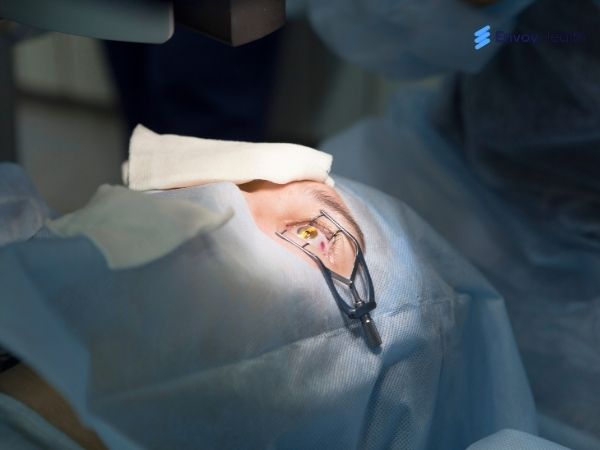
LASIK eye surgery generally does not hurt. The procedure relies on precise lasers for surgical incisions. Ophthalmologists use numbing eye drops right before the surgery to block the pain pathways. So you don’t feel any pain during the procedure. Heavy sedatives or general anesthesia are not required, and you are aware of what's happening around. They use an eyelid speculum to keep the eyes open without blinking, and you will be asked to stare at a blinking target light. The speculum might cause a slight pressure, stretching, or squeezing sensation. Once the LASIK procedure begins, the lasers create the corneal flap, and you will feel slight pressure, similar to someone's thumb resting on your eyelid, with dimming vision.[3] While this won’t hurt at all, you would sense a faint burning smell and a fast ticking sound. Once the procedure is complete, your surgeon will replace the flap in its position and place an eye shield over the eye. While the entire procedure is virtually painless, individual experiences may vary slightly with anxiety and pain tolerance levels.
Does LASIK Eye Surgery Hurt After?
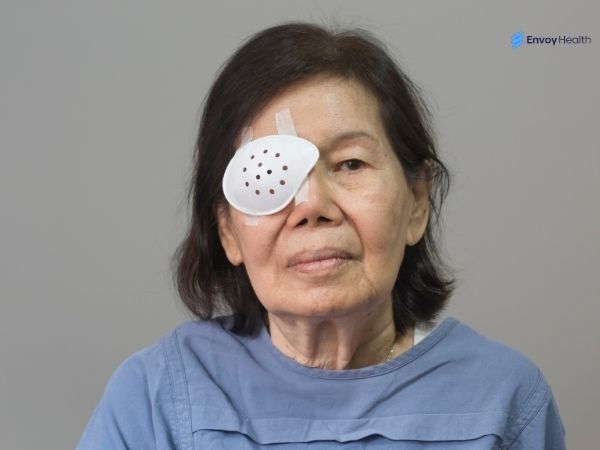
LASIK eye surgery does not typically hurt after the procedure. However, the first few hours following surgery can be quite uncomfortable. The numbing eye drops that ophthalmologists use prevent pain. As their effect wears off, you may experience mild discomfort, irritation, burning, or a gritty sensation in the eyes. Extreme light sensitivity and irritation will generate an urge to keep the eyes closed. While the eye shield protects from dust and light, ophthalmologists suggest keeping your eyes closed for a few hours. Taking a nap, using over-the-counter pain relievers, and using lubricating eye drops offer better relief from symptoms. These symptoms are temporary and typically improve within the first 24 to 48 hours. However, mild irritation, night glare, and dry eye symptoms still continue even after the first two days following LASIK eye surgery. These are a part of the normal healing process and will subside in a few months.
Why Do Some Patients Experience More Pain Following LASIK Eye Surgery?
Some patients may experience more discomfort after LASIK than others due to factors such as dry eyes, inflammation, individual healing responses, or, in rare cases, surgical complications. While pain tolerance varies from person to person, LASIK-related discomfort typically improves within a few days. As long as symptoms gradually subside, it is generally a sign that the recovery process is progressing as expected.
Reasons for Unusual Pain Post-LASIK
Prolonged, unusual pain after LASIK eye surgery can be due to any of the following reasons:
- Corneal sensitivity and damage: Severing of the corneal nerves during flap creation is the main cause of abnormal pain. Damage to the nerve and neuropathy disrupts the nerve communication with the brain, triggering chronic discomfort.[4]
- Inflammation: The surgical incisions trigger inflammatory responses, releasing prostaglandins. These inflammatory chemicals sensitize the nerve endings, turning every minor stimulus into a sharp, aching sensation. [5]
- Flap complications: Incisional inflammation from flap creation, dislocation, or slippage due to physical displacement or rubbing can lead to sharp, sudden pain. Some patients experience abnormal epithelial cell growth, leading to flap lifting and chronic discomfort.
- Individual healing response: Every person's eyes recover at a different rate. Some patients may experience more inflammation, dryness, or corneal nerve sensitivity during the healing process, leading to greater irritation or discomfort. Others may heal more quickly with minimal symptoms. While the intensity of discomfort varies, most patients notice steady improvement as their eyes recover over the first few days to weeks following surgery.
- Environmental factors: Environmental factors can increase discomfort after LASIK by worsening dry eyes and irritating the healing cornea. Dry air, air conditioning, dust, smoke, and prolonged sun exposure can worsen symptoms such as burning, grittiness, irritation, and light sensitivity. Since tear production is temporarily affected during recovery, the eyes are more sensitive to these external triggers.
- Screen use after surgery: Using screens early after LASIK surgery can induce eye strain, muscle fatigue, and worsen dry eye symptoms. Further, staring at screens reduces blinking, leading to tear evaporation and a stinging, burning sensation, as well as increased itchiness.
- Non-adherence to post-operative instructions: Failure to follow proper post-op care after LASIK can increase discomfort and slow healing. Common mistakes include rubbing the eyes, failing to use prescribed artificial tears, antibiotics, or anti-inflammatory medications as directed, and exposing the eyes to water, chemicals, or other contaminants during the recovery period.
How Eye Surgeons Help Minimize Pain and Discomfort after LASIK?
Ophthalmologists recommend a structured recovery plan to alleviate discomfort and pain after LASIK. This includes:
- Using medicated anti-inflammatory antibiotic eye drops to deal with tissue inflammation and ward off any microbial growth.
- Using lubricating eye drops that act as artificial tears to keep the cornea moist and soothe irritation.
- Strictly using physical protection, such as eye shields, to protect eyes from external dust, airborne irritants, and accidental rubbing.
- Adopting certain lifestyle changes with adequate screen breaks, and strict makeup and cosmetic restrictions.
When Pain After LASIK May Signal a Problem?
Any sharp, intense pain that worsens with time and is accompanied by significant redness, or you notice sudden vision changes, with white or yellowish eye discharge, or persistent severe light sensitivity are signs of improper healing following LASIK eye surgery. Typical pain or discomfort following LASIK subsides with time, and persistent, prolonged symptoms indicate something is wrong.
Final Word
Pain due to LASIK is a myth. The numbing eye drops used before LASIK eye surgery block the pain pathway, making the procedure smoother. While slight pressure with dimming vision is common during the procedure, it is followed by slight discomfort, itching, and a gritty sensation. Prolonged, chronic pain is serious and should not be ignored. Talk to your doctor if you experience persistent symptoms.
Considering LASIK abroad? Sign up with Envoy Health to compare trusted eye clinics, receive personalized support, and plan your treatment journey with confidence.
References
Keep researching cataract and eye surgery
Explore the full cataract and eye surgery topic hubReady to compare Eye Surgery options?
Get clinic options, pricing guidance, and recovery expectations from Envoy Health before taking the next step.
Disclaimer
The information in this article is for educational purposes only and does not replace medical advice. Always consult your doctor before starting any treatments.
Published by Envoy Health. Reviewed for patient-safety framing by Envoy Health Medical Content Review. See our editorial, AI-assistance, and medical review policy.
To request a correction, email contact@envoyhealth.io with the page URL and supporting source.
Compare reviewed clinics, pricing guidance, and recovery expectations before you commit.
No, you cannot blink during the LASIK eye surgery. The ophthalmologist will numb your eye using eye drops and use an instrument called an eye speculum to keep the eyelids open. The numbing effect of eye drops does not create an urge for blinking eyes, while the speculum prevents accidental closure.
Not crying after LASIK is typically a myth. One can actually cry, and this increases the eyes' lubrication. However, ophthalmologists strongly recommend avoiding rubbing your eyes when crying. It can dislodge the corneal flap or lead to serious infection due to contamination.
The physical changes LASIK makes to the cornea's shape are permanent and last a lifetime. But getting LASIK does not guarantee your eyes will stop aging. It means the natural vision changes of the eye that happen as part of aging are unavoidable. So one may need glasses, contact lenses, or corrective eye surgery, depending on the case.
So, we partner with the premier healthcare facilities!
Send me the list