Do It Yourself Dentures: A Complete Guide for First-Time Users


Compare Dental Work options before you commit
Get clinic options, pricing guidance, and recovery expectations from Envoy Health before taking the next step.
Key Takeaways
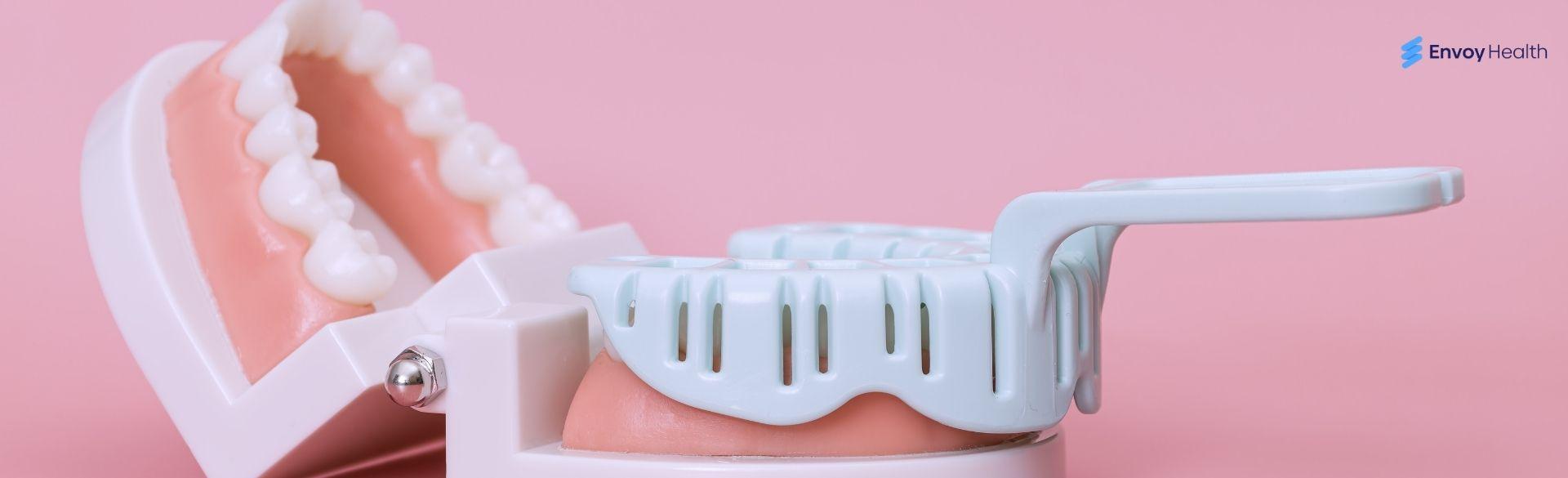
- The do it yourself denture kit includes impression trays, dental putty, acrylic resin, a set of artificial teeth, and casting plaster or stone powder. The impression trays and dental putty are for collecting tooth impressions, and the stone powder is used to make a hard model of your mouth. The pink, moldable acrylic resin will be used to create the gum portion.
- Conventional dentures, fitted by a dentist, follow a detailed step-by-step protocol that involves multiple visits, thorough examinations, diagnostic tests, and sometimes procedures like extractions or bone grafting. The higher costs and longer treatment timeline often push people toward DIY alternatives, yet skipping professional care can lead to serious risks and complications.
- While plenty of video tutorials surface online for do it yourself dentures for beginners, they can be risky. Inexpensive materials, lack of a custom fit, and inadequate oversight by dental professionals can lead to infection, poor fit, stomatitis, and cracks or breaks in dentures.
Still comparing Dental Work options?
Envoy can help you compare reviewed clinics, pricing guidance, and recovery expectations before you make a decision.
Do It Yourself Dentures: What Does It Mean?
Do it yourself (DIY) dentures are at-home dental kits that let you prepare your own replacement teeth. While tooth loss significantly disrupts quality of life, many tooth-replacement options are available today. Do it yourself dentures are one option among other prosthesis choices, in which you craft your own denture set. No waiting times, no dental appointments, and low cost too. Sounds interesting? Yes! Many online and over-the-counter purchases promise a complete smile at home. But how does it go? We detailed it in the upcoming section.
How Can You Make Your Own Dentures?
The best DIY denture kit includes dental putty, a heat-moldable material for making the gum base, and acrylic teeth. All you need to do is collect the teeth impressions by mixing the dental putty and putting it in a tray. Bite down to create a mold of your gums. Use this mold to create a base using the provided dental stone. Next, heat the moldable acrylic material in hot water until it becomes pliable. Shape it over the dental model to form a base. Now press the artificial teeth onto the pliable material, ensuring proper alignment. Once they solidify, reheat the dentures in hot water to achieve a more precise fit and comfort. Most manufacturers provide detailed do it yourself denture video tutorials to help beginners. Check them out as label terms vary by manufacturer.
How Do DIY Dentures Differ From Do It Yourself Denture Reline Kit?
While both DIY dentures and do-it-yourself denture reline kits may appear similar to the untrained eye, they are not the same. DIY dentures are for missing teeth, and DIY reline kits provide a precise fit, reduce friction on sore gums, and improve the stability of loose-fitting dentures (both professionally or DIY-crafted). These are slightly similar to the do it yourself soft liner for dentures, however, the reliners are for a stable fit, while soft liners are for a comfort fit. Many commercial denture reliner marketers promote their products as professional-grade, but they are only temporary or intermediate solutions.
To use a do it yourself denture reline kit, first clean and dry your dentures thoroughly. Follow the manufacturer’s instructions to mix and apply the reline material evenly to the inner surface. Place the denture back in your mouth, bite down gently to form an impression, and hold it for the recommended time. After it begins to set, remove any excess material and allow it to fully cure. Keep in mind that DIY relines are temporary and may not offer the same comfort or safety as a professional adjustment.
Why Do People Choose Do It Yourself Dentures at Home?
People choose make your own dentures at home kit primarily to:
- Save money: Dentist-fabricated dentures are more expensive than at-home denture kits. Conventional dentures, cast in a dentist's office, rely on advanced technology to deliver durability and a custom fit. Compared to this, do-it-yourself dentures cost is relatively affordable while delivering a complete smile and filling missing tooth gaps.
- Convenience: Getting custom-fit dentures, whether partial or complete, demands much time and multiple dental visits. Diagnostic tests, consultations, impression-taking, temporary dentures, and permanent denture fixation typically require multiple clinic visits. On the other hand, using the complete denture kit, available online or over the counter, will reduce effort.
- Easy to use: Using easy dentures at home is quite convenient. You will receive the complete in-hand kit, with detailed instructions. Not just that, do it yourself dentures on YouTube videos are serving as a comprehensive guide for people to work it out for themselves.
- Marketing hype: Manufacturers advertise positive do it yourself dentures reviews and stunning transformations. These often present DIY dentures as a simpler, life-altering fix at the doorstep.
Are DIY Denture Kits Any Good?
While online advertisements promote DIY dentures as an attractive, convenient fix for missing teeth, there are numerous risks associated with this option. Knowing the complete pros and cons of any choice is crucial for informed decision-making and long-term success.
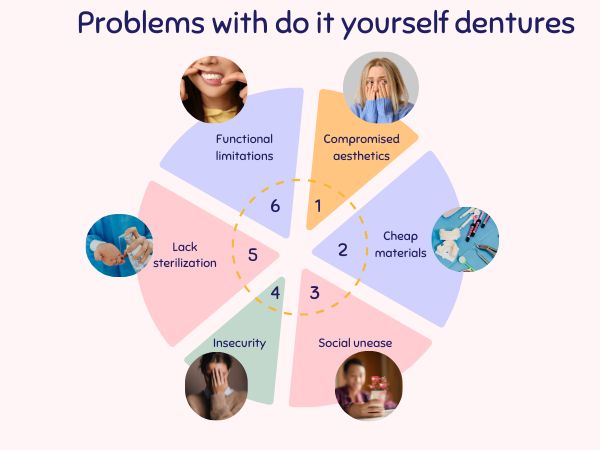
- Cheap materials: While cheap diy denture kits may seem appealing from a financial standpoint, they often use low-quality materials. The easy denture kits promise a nearly natural look but use low-quality materials that lack durability. They may curl up in touch with hot foods and drinks, or may degrade or discolor over time.
- Compromised aesthetics: A balanced smile is proportionate to the facial features, lips, and gums. In fact, it's unique to each person. Qualified dentists use advanced smile design technology and modern software to craft a harmonious smile. Skipping a dentist visit in favor of an easier fix can leave you short of the required level of personalization. Uneven tooth alignment, an unnatural look, poor facial support, and issues with gum contouring can compromise expectations, leading to disappointment.
- Functional limitations: Conventional dentures, crafted in a dental office, typically use medical-grade acrylics and porcelain or zirconia for artificial teeth. These are fabricated to maintain a natural look while accounting for the constant wear and tear caused by chewing forces. DIY dentures, on the other hand, cannot withstand strong chewing forces. Because they are made from low-quality materials, these may break or develop cracks over time.
- Lack of sterilization: Conventional dentures are made keeping cleanliness a top priority to prevent cross-contamination. [1] Dental clinics adhere to standards laid by regulatory bodies such as the CDC and the ADA. They adopt strict sterilization and disinfection protocols to ensure patients receive infection-free prostheses. The do it yourself false teeth lack this sterilization and disinfection, and you may end up with complications such as infections.
- Insecurity and social unease: A lack of a custom fit makes do-it-yourself dentures poorly fitting. Ill-fitting dentures can cause sliding and discomfort, leading to social unease, self-consciousness, and unease at public events. Meaning the purpose of fake teeth isn’t met!
How Are Professional Dentures Made?
Conventional dentures, following the traditional clinical process, are carefully designed to ensure proper fit, comfort, and long-term oral health. Unlike at-home alternatives, professional dentures are fabricated through multiple detailed steps under a dentist's supervision.
It begins with a comprehensive oral examination to assess gum health and jaw structure, and to rule out other dental issues. The dentist will perform any required tooth extractions or bone graft procedure, depending on your oral health condition. You will schedule the treatment appointment. On the day of your denture treatment, the dentist will collect tooth impressions and send them to the dental lab for denture fabrication. They will fix the temporary dentures until the custom-fit dentures are ready. On the day of your final appointment, the dentist will remove the temporary dentures. They will fix the permanent dentures using dental adhesive, metal clasps, or implant screws (depending on denture type). You will check the bite and alignment, and the dentist will make the necessary adjustments to ensure a proper fit and precise refinement. This will reduce the risk of long-term issues, including gum irritation, poor fit, and speech difficulties.
Final Word!
Do it yourself dentures may appear to be a quick and affordable solution, especially for those seeking to avoid high dental costs or multiple appointments. However, what seems convenient at first can lead to poor fit, ongoing discomfort, infections, and long-term oral health complications. Dentures are not one-size-fits-all devices. They require careful assessment, precise measurements, and professional adjustments to function properly. While DIY options may provide a short-term fix in some situations, they are not a substitute for professional dental care. Protecting your oral health means prioritizing safety, comfort, and long-term stability over temporary savings. When it comes to your smile, cutting corners today can cost far more tomorrow.
Your smile deserves expert care, precision, and long-term comfort. Instead of risking complications and repeated fixes, choose a safer, professionally guided approach. At Envoy Health, we connect you with trusted dental specialists who offer personalized treatment, flexible appointments, and full support throughout your journey. Sign up with Envoy Health today and take the first step toward a confident, healthy smile, without the guesswork.
References
Ready to compare Dental Work options?
Get clinic options, pricing guidance, and recovery expectations from Envoy Health before taking the next step.
Disclaimer
The information in this article is for educational purposes only and does not replace medical advice. Always consult your doctor before starting any treatments.
Published by Envoy Health. Reviewed for patient-safety framing by Envoy Health Medical Content Review. See our editorial, AI-assistance, and medical review policy.
To request a correction, email contact@envoyhealth.io with the page URL and supporting source.
Compare reviewed clinics, pricing guidance, and recovery expectations before you commit.
Dentures are prosthetic teeth, typically crafted in a dentist's office using advanced diagnostics, that provide a precise fit to replace missing teeth. Nowadays, some manufacturers sell do it yourself denture kits that include the required denture materials. These include dental putty, stone powder, artificial teeth, and acrylic base materials. You will follow the instructions provided and prepare your own dentures at home without visiting a dentist. However, this approach misses professional surveillance and is only a temporary fix.
Making dentures at home is possible using the best diy denture kits for adults. You can purchase them online or over the counter. Most kits include detailed, step-by-step guides. Follow the instructions in the manual: collect teeth and gum impressions, cast the mold, and craft a fitting denture mold. Note that these dentures, crafted at home, are a temporary fix only.
Dental bridges, dental implants, crowns, and dentures are common methods for replacing missing teeth. The choice of the method depends on the candidate's oral health and dental requirements. A thorough oral examination will help in determining the most suitable option to restore both function and appearance.
Conventional dentures, fabricated in a dentist's office, typically last 5-7 years. Most candidates may require denture maintenance, such as adjustments and relining, every 1-2 years. On the other hand, DIY dentures made at home only serve a temporary need, typically for around a few months.
So, we partner with the premier healthcare facilities!



Send me the list