Can You Stop a Receding Hairline? Causes, Treatments, and Prevention

Compare hair transplant clinics before you commit
Get clinic options, pricing guidance, and recovery expectations from Envoy Health before taking the next step.

Table of contents
Still worried about pain or recovery?
Most discomfort depends on technique, graft count, anesthesia, and aftercare. Envoy can help you compare clinics that explain the pain-management plan up front.
If you are noticing a receding hairline, thinning temples, or reduced hair density around your forehead, you may be wondering what is causing these changes and whether they will progress. Whether you are a man experiencing early signs of male pattern baldness or a woman concerned about thinning around the front of your scalp, understanding the underlying cause is the first step towards finding the right treatment. You may also want to know whether you can slow further thinning, encourage regrowth, or consider hair restoration.
Hairline recession can result from several factors, including genetics, hormonal changes, ageing, nutritional deficiencies, and certain scalp conditions. Since each cause may require a different approach, identifying the underlying issue is essential. In this guide, we explore the common causes of a receding hairline, treatments that may help, and hair restoration options to help you make informed decisions about your next steps.
1. Why Does Hairline Recede?

The most common reason for a receding hairline in men is androgenetic alopecia, commonly known as male pattern hair loss. Genetics make certain hair follicles sensitive to dihydrotestosterone (DHT), a hormone derived from testosterone. Over time, DHT causes susceptible follicles to shrink, producing progressively finer and shorter hair until growth may eventually stop.
Ageing can make this process more noticeable, although hairline recession can begin in early adulthood. Women can also experience pattern hair loss, but it typically causes diffuse thinning rather than the pronounced temple recession commonly seen in men.
Other causes include hormonal changes, nutritional deficiencies, prolonged stress, and traction from tightly pulled hairstyles. Identifying the underlying cause is essential because each condition requires a different treatment approach. If you are considering professional hair restoration, medical concierge services such as Envoy Health can help you explore available hair transplant providers and treatment options, making it easier to understand the procedures available before deciding on your next step.
2. Can You Actually Stop a Receding Hairline?
Yes, in many cases, you can slow down hairline recession and sometimes improve hair density. However, the outcome depends on the underlying condition and how much damage the hair follicles have experienced.
For example, hair loss caused by iron deficiency, illness, or significant physical stress may improve once the underlying problem is addressed. In contrast, genetic hair loss usually requires ongoing treatment to manage its progression.
Early intervention is particularly important because miniaturizing hair follicles may still respond to appropriate treatment. However, follicles that have been permanently destroyed or replaced by scar tissue generally cannot be restored with medication.
Therefore, the goal is to preserve existing hair wherever possible and determine whether additional restoration is necessary. A dermatologist can assess your scalp and recommend an appropriate treatment plan.
3. Medical Treatments That Help Manage Hairline Recession
Medical treatments can help slow hair loss and support regrowth in suitable patients. One commonly prescribed option is topical minoxidil, which helps stimulate hair growth and improve hair density. It is used by both men and women, although the recommended formulation and application depend on individual circumstances.
Finasteride is another established treatment for male pattern hair loss. It works by reducing the conversion of testosterone into DHT, helping limit the hormone's effect on susceptible follicles. However, it requires a prescription and medical assessment because it can cause side effects, including sexual and mood-related changes.
Both treatments require consistency, and visible improvements can take several months. Their benefits generally continue only while treatment is maintained. Your doctor can help determine which medication is appropriate based on your health, hair loss pattern, and treatment goals.
4. Lifestyle Changes That May Support Hair Health
Although lifestyle changes cannot reverse genetic hair loss, they can support normal hair growth and address certain contributing factors. Start with a balanced diet that provides adequate protein, iron, zinc, and other essential nutrients. Hair follicles require sufficient nutritional support to maintain their normal growth cycle.
If you have persistent shedding, your doctor may recommend blood tests to check for deficiencies, particularly iron deficiency or other relevant nutritional concerns. Correcting a confirmed deficiency can help address hair loss associated with that condition.
Scalp care also matters. Avoid hairstyles that repeatedly pull on the hairline, excessive heat styling, and harsh chemical treatments. Manage stress through regular physical activity and adequate sleep. These measures support overall hair health, but they should complement, not replace, medical treatment for progressive hair loss.
5. When Should You Consider a Hair Transplant?
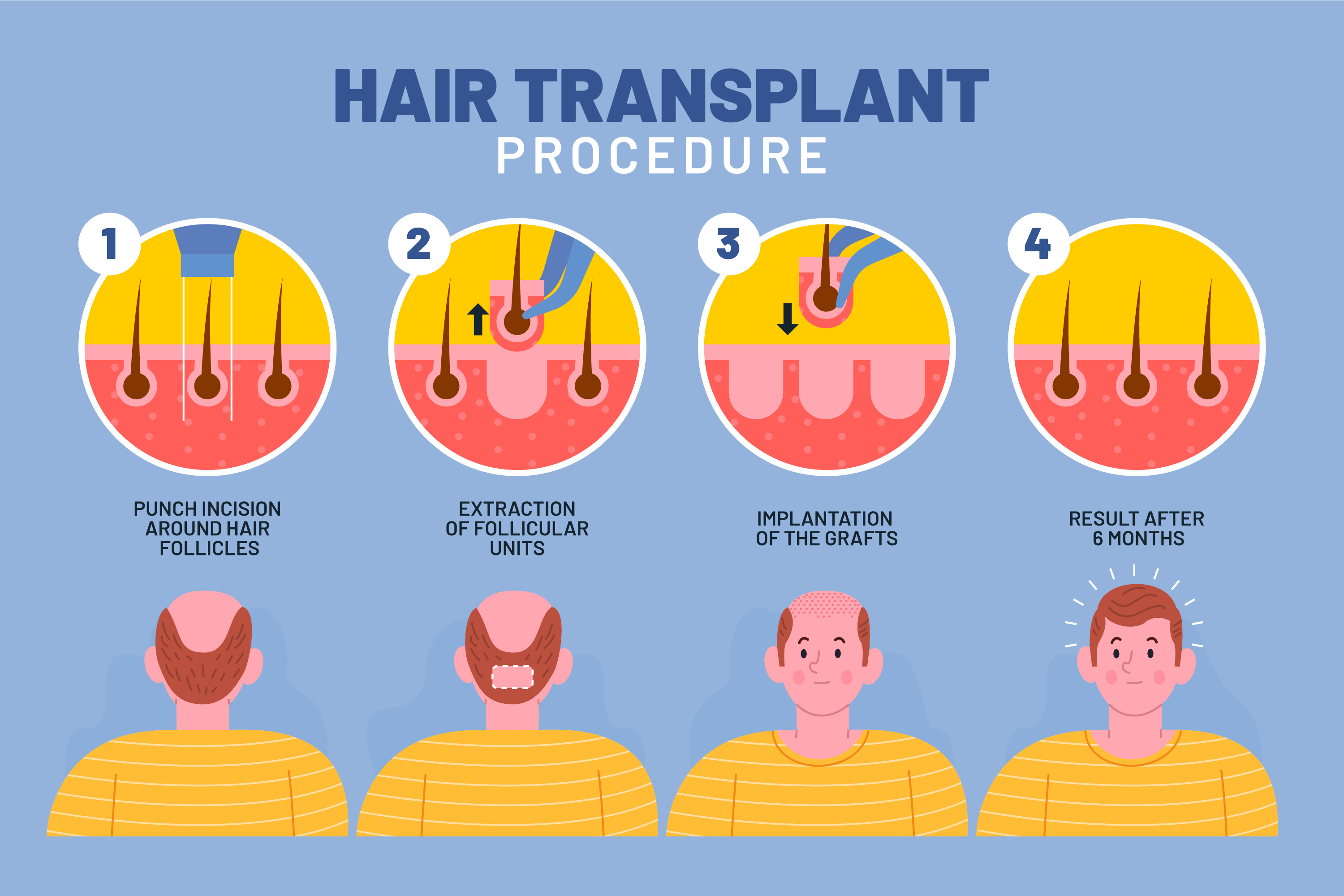
If your hairline has receded significantly and medical treatments cannot provide the coverage you want, a hair transplant may be worth considering. The procedure involves moving healthy hair follicles from a donor area, usually the back or sides of the scalp, to areas affected by hair loss.
Two commonly used techniques are Follicular Unit Extraction (FUE) and Direct Hair Implantation (DHI). FUE involves extracting individual follicular units before implanting them into the recipient area. DHI uses a specialised implanter tool to place extracted grafts directly into the scalp.
However, a hair transplant is not suitable for everyone. Your donor hair density, scalp condition, medical history, and future hair loss pattern all influence eligibility. A specialist must assess these factors before recommending surgery. Transplanted follicles can provide long-lasting growth, but existing non-transplanted hair may continue thinning.
6. How to Choose the Right Treatment for Your Hairline
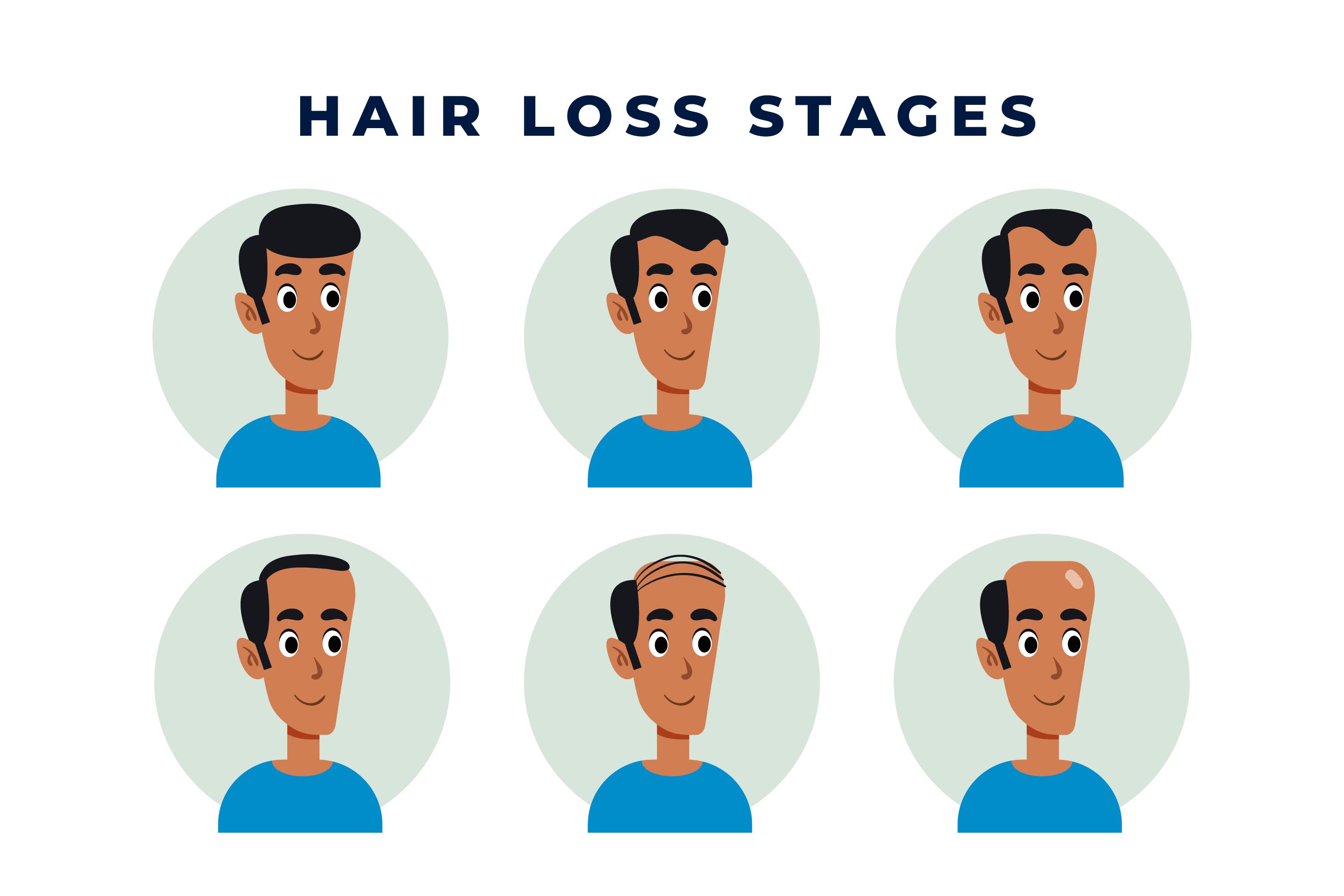
Choosing a treatment starts with understanding what you want to achieve. If your hairline has only started thinning, medical management may help preserve existing follicles. If you have established bald areas, surgical restoration may be a better option.
A qualified specialist will consider your age, family history, hair loss pattern, donor hair availability, and medical history before recommending treatment. They should also discuss the limitations, potential risks, maintenance requirements, and expected results of each option.
For those considering treatment abroad, comparing clinics and understanding the arrangements beforehand can make the process easier. Consider Envoy Health to explore hair transplant providers, compare treatment options, and access personalised assistance with your treatment journey. This gives you a convenient starting point for evaluating your choices before making a medical decision.
Conclusion
A receding hairline does not necessarily mean inevitable baldness. The right treatment can help slow further hair loss, preserve existing follicles, or restore coverage where appropriate. However, results depend on the cause, stage, and individual hair loss pattern. Rather than experimenting with unverified remedies, seek a professional assessment. If you are considering surgical restoration, explore available clinics and treatment options through Envoy Health to take a more informed step towards your hair restoration goals.
FAQ
Q1. Can you stop a receding hairline naturally?
Natural measures such as maintaining a balanced diet, correcting nutritional deficiencies, managing stress, and avoiding hairstyles that pull on the hair may support hair health. However, they cannot reliably stop genetic hair loss. Medical treatments may be necessary to manage progressive hairline recession.
Q2. What is the main cause of a receding hairline?
Genetic sensitivity to dihydrotestosterone (DHT) is a common cause of male pattern hair loss. DHT can gradually shrink susceptible hair follicles, resulting in finer hair and progressive recession. Ageing, hormonal changes, certain medical conditions, and traction can also contribute.
Q3. Can a receding hairline grow back without treatment?
It depends on the cause. Hair loss associated with temporary stress, illness, or nutritional deficiencies may improve once the underlying issue is addressed. However, genetic hairline recession is unlikely to reverse completely without appropriate treatment.
Q4. Which medication is best for a receding hairline?
Minoxidil is commonly used to support hair growth and manage pattern hair loss. Finasteride is another option for appropriate patients with male pattern hair loss. Neither medication is suitable for everyone. A dermatologist should assess the cause of hair loss and discuss potential side effects before treatment.
Q5. When should you consider a hair transplant for a receding hairline?
A hair transplant may be appropriate when you have established hair loss, sufficient healthy donor hair, and realistic expectations about the results. A specialist should evaluate your hair loss pattern, scalp condition, donor density, and likelihood of future recession before recommending surgery.
Q6. Is a hair transplant a permanent solution for a receding hairline?
Transplanted follicles can provide long-lasting hair growth. However, a hair transplant does not prevent existing non-transplanted hair from thinning. Some patients may need ongoing medical treatment to manage progressive hair loss and maintain their overall results.
Ready to compare hair transplant options?
Get clinic options, pricing guidance, and recovery expectations from Envoy Health before taking the next step.
Disclaimer
The information in this article is for educational purposes only and does not replace medical advice. Always consult your doctor before starting any treatments.
Published by Envoy Health. Reviewed for patient-safety framing by Envoy Health Medical Content Review. See our editorial, AI-assistance, and medical review policy.
To request a correction, email contact@envoyhealth.io with the page URL and supporting source.
Compare reviewed clinics, pricing guidance, and recovery expectations before you commit.
Send me the list