Are Veneers Permanent? What Dentists Don’t Always Explain


Compare Smile Makeover options before you commit
Get clinic options, pricing guidance, and recovery expectations from Envoy Health before taking the next step.

Key Takeaways
- Dental veneers are a permanent decision, and not a permanent prosthesis. Typically, they should be replaced as early as 5 years, but some can last for up to 20 years, depending on the material used, the dentist who fixed them, oral hygiene, and lifestyle habits.
- Veneer placement involves irreversible changes to the tooth structure, including removal of some enamel. Enamel lacks living cells and cannot regenerate, so veneer replacement is the only option once it wears out or needs removal.
- Good oral hygiene and premium-quality material selection can prolong the veneer's lifespan. Quitting smoking, limiting carbonated drinks, and avoiding staining foods such as coffee, red wine, and tea also preserves their appearance and durability.
Still comparing Smile Makeover options?
Envoy can help you compare reviewed clinics, pricing guidance, and recovery expectations before you make a decision.
Dental veneers are the thin, white colored shells placed on the front surface of the teeth. Dentists fix them to mask issues such as breaks, chips, cracks, stains, and irregularities. Veneers are custom-crafted in the dental lab to offer a balanced, harmonious, picture-perfect smile. Generally, high-quality dental materials such as porcelain and composite resin are used in veneer preparation. Dental technicians layer them appropriately to attain an exact shade match and a seamless blend. Note that dental veneers are purely for cosmetic purposes and do not serve the functional goals.
Are Veneers Permanent Or Removable?
Veneers, unlike other cosmetic dentistry procedures, are non-removable. Most cosmetic dental treatments, such as clear aligners, braces, and dentures, are removable. These can be removed for cleaning and then reinstalled. Veneers, on the other hand, cannot be removed once fixed. Only your dentist can remove them. However, this does not relate to their longevity. Note that veneers are a fixed dental treatment that requires replacement.
Are Veneers a Permanent Solution?
Veneers are a dental cosmetic procedure with long-term results, but these do not last for a lifetime. Dental veneers, once fixed, will need replacement between 5 and 20 years, depending on the material type and lifestyle. Generally, porcelain veneers last longer for up to 20 years. Composite resin veneers last anywhere from 5 to 7 years.
That said, the procedure involves removing a thin layer of enamel, making it irreversible. This means veneers aren’t a one-time fix. You’ll need to replace them over time to maintain both function and appearance. Veneer treatment is a permanent decision, not a permanent prosthesis or dental device. When discussing the replacement, one common concern most people raise is cost. We discussed this in the upcoming section.
Are Veneers Expensive?
Yes, dental veneers are relatively expensive and considered a premium dentistry treatment compared to other procedures such as tooth contouring and bonding. Teeth veneers are custom-crafted in dental labs using high-quality dental materials and sophisticated technology. In fact, the treatment demands expertise and high-skill artistry to attain natural results. Altogether, these factors make dental veneers a costly treatment.
Typical veneers cost between $800 and $2,500 per unit in the United States. Getting 2 front teeth veneers costs between $2,000 and $5,000. A complete smile makeover using dental veneers can cost you anywhere up to $40,000.
How Often Do Veneers Need To Be Replaced?
The time frame that veneers last generally depends on the material used and factors such as oral hygiene, diet, and lifestyle habits. Porcelain veneers are hardy and last relatively longer. These should be replaced every 15-20 years, while composite veneers require replacement every 5-7 years.
Details Of Porcelain Veneers And Life Span
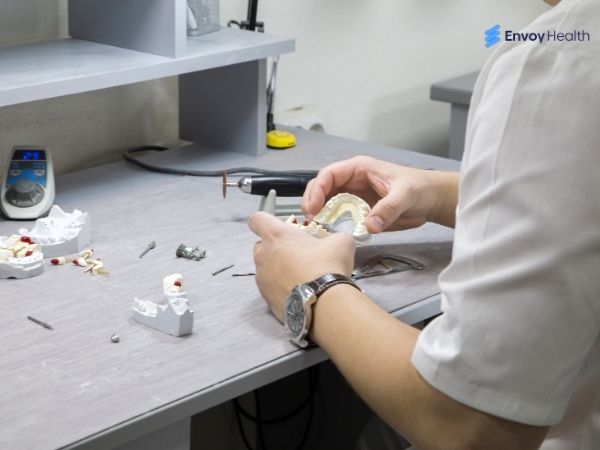
Porcelain tooth veneers are crafted in a dental lab using premium-quality dental porcelain. Your dentist will check your oral cavity, examine your teeth, and determine your candidacy. During the initial appointment, they will remove a portion of the enamel, take tooth impressions, and send them to the dental lab for veneer fabrication. Your dentist will cover the prepared teeth using temporary veneers, and you will return home. On the day of your second appointment, they will remove the temporary veneers, perform a slight etching, and place the permanent porcelain veneers. Your dentist will check the bite and remove any rough edges, if present. With proper care and bite adjustments, your porcelain veneers typically last for 20 years.
After this period, you will need to replace the porcelain veneers. Although they are tough and stain-resistant, the edges can catch stains. For some candidates, the marginal gums may be exposed, causing gum recession. Either of these conditions requires a veneer replacement.
Details Of Composite Resin Veneers And Life Span
Unlike porcelain veneers that are lab-crafted, composite resin veneers are placed directly on the tooth structure. These are also called direct veneers. [1] Your dentist will examine your teeth's cosmetic issues. During the initial appointment, they will remove some portion of the outer enamel. They will apply composite resin layers directly on the tooth surface. Your dentist will sculpt to fit the tooth anatomy and light-cure it to harden. At the end of the procedure, the dentist will remove any rough edges and polish the veneer surface to attain a natural finish. With appropriate care, your composite veneers can last 5-7 years, after which you will need a replacement. After this period, your composite veneers may chip or stain, necessitating replacement.
How Many Times Can Veneers Be Replaced?
While there is no fixed limit on the number of veneer replacements, the average lifespan of dental veneers is 5 to 20 years. The exact time frame depends on the material and lifestyle habits. One can replace them upon noticing signs of chipping, cracking, breaking, staining, or gum recession. An important point to note is that each veneer replacement involves removing some enamel. Repeated veneer replacements can eventually lead to insufficient enamel, resulting in tooth sensitivity and weakened tooth structure.
Factors That Affect Veneers Life Span
Below, we detail some important factors that influence veneer longevity:
- Veneer material: Typically, porcelain is more durable and stain-resistant compared to composite resin. Porcelain veneers come with a non-porous finish and a sturdy, hardy framework. On the other hand, composite resin material comes with a less hardy, porous structure that is more prone to chips, cracks, and stains. This is the main reason behind porcelain veneers having a longer lifespan than composite veneers.
- Oral hygiene: While veneers are resistant to tooth decay, the natural tooth beneath the veneer is prone to cavities. Poor oral hygiene leads to bacterial plaque at the veneer margins, increasing the risk of cavities and gum disease.
- Diet: Veneer structure is generally stain-resistant. Furthermore, premium quality veneers are durable. However, foods such as red wine, blueberries, tea, and coffee increase the risk of stains. Besides, excessive reliance on hard, crunchy foods, such as nuts, crackers, chips, and candies, increases the risk of chipping and breaking. Either of these food choices reduces the lifespan of your veneer and necessitates replacement.
- Lifestyle habits: Habits such as teeth grinding, clenching, nail biting, and tobacco use can reduce the lifespan of your veneers. Excessive mechanical forces and chemical exposure deteriorate the veneer material, compromising its durability. Wearing night guards for candidates with habits such as bruxism can help increase veneer lifespan.
When Are Veneers Bad For Your Teeth?
Veneers cannot be an ideal option for you when:
- Your teeth suffered from enamel loss and are left with insufficient enamel. Dental veneers, in this case, may lead to early failure.
- You suffer from active gum disease, dental cavities, or infected root canals. So getting veneers in any of these cases without prior dental treatment can only worsen the condition.
- You are prone to severe bruxism, as excessive mechanical stress either causes chipping or dislodges veneers. While a night guard can help to some extent, candidates suffering from severe bruxism are advised to seek alternative treatment.
- You suffer from major malalignment issues with teeth being overcrowded or having significant gaps. Veneers in these conditions cannot mask the underlying orientation problems.
What Are Permanent Veneers, And How To Get Them?
There is no such thing as truly permanent veneers. The procedure itself is permanent because it involves removing a thin layer of enamel, which cannot be reversed. However, the veneers need to be replaced after their expected lifespan. But there are certain ways to prolong the veneer's lifespan and enjoy life to the fullest, making it a long-term investment. Below, we detail this.
- Prioritize oral hygiene: Keep your mouth clean and plaque-free by brushing with a non-abrasive toothpaste and a soft-bristled toothbrush. Aggressive brushing and cleaning procedures can scratch the veneer surface and deteriorate its luster. Brush gently along the gumline and floss regularly. This will remove the trapped food and plaque along the gumline.
- Choose premium-quality veneers: Opting for porcelain veneers offers a blend of benefits. These last longer than composite veneers and are, of course, a worthy investment.
- Opt for a qualified dental expert: Getting treated by a random dental professional does not guarantee better results. Veneers follow a custom-crafted approach, and a dental expert who adheres to standard clinical practice can offer natural-looking results. Furthermore, having an in-house dental lab equipped with state-of-the-art technology helps achieve better fit and precision. Appropriate fit is crucial for longevity, since a poor fit may leave rough edges, cause gum irritation, or lead to plaque buildup.
- Be strict on diet: Stay cautious about what you eat. Too much reliance on hard, crunchy foods can damage the veneer structure. Besides, carbonated drinks, tea, coffee, and red wine may stain the veneers, necessitating early replacement. Including fresh fruits and vegetables not only supports both oral and overall health.
- Have a healthy lifestyle: Smoking and tobacco consumption damage the veneers and the underlying tooth structure. Quitting them prolongs the veneer's longevity and improves overall health. Wearing a custom-fit night guard protects veneers from chipping due to habits such as teeth grinding.
What Happens When Dental Veneers Wear Out?
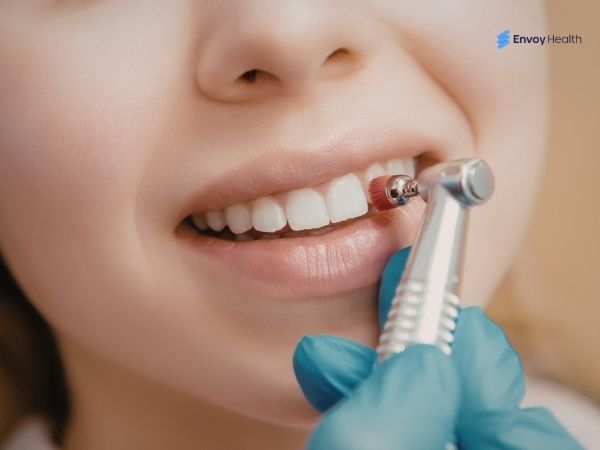
When dental veneers start to wear out, they can show noticeable signs of damage such as chips, cracks, or rough edges. You may also notice color changes, either staining around the edges or a mismatch between the veneer and your natural teeth over time. In some cases, the bonding material can weaken, causing the veneer to loosen or even fall off. Gum recession can also expose the edges, making them more noticeable. When this happens, veneers don’t repair themselves. They need to be replaced to restore both appearance and function.
Final Word!
Veneers transform your smile in a way few other treatments can, but they come with a long-term commitment. While they aren’t removable and don’t last forever, they offer durable, natural-looking results when properly maintained. The key is understanding that veneers are not a one-time fix. They require ongoing care and eventual replacement. Going in with clear expectations helps you make a more confident, informed decision about whether they’re the right choice for you.
Take the next step toward your smile transformation with Envoy Health. Get access to trusted clinics, transparent pricing, and personalized support throughout your treatment journey. Sign up today and get matched with the right dental experts for your needs.
References
Ready to compare Smile Makeover options?
Get clinic options, pricing guidance, and recovery expectations from Envoy Health before taking the next step.
Disclaimer
The information in this article is for educational purposes only and does not replace medical advice. Always consult your doctor before starting any treatments.
Published by Envoy Health. Reviewed for patient-safety framing by Envoy Health Medical Content Review. See our editorial, AI-assistance, and medical review policy.
To request a correction, email contact@envoyhealth.io with the page URL and supporting source.
Compare reviewed clinics, pricing guidance, and recovery expectations before you commit.
One tooth veneer costs between $800 and $1,000 in the United States. While composite veneers cost you from around $800, porcelain veneers cost between $1,000 and $2,000.
Getting dental veneers is typically a minimally invasive, painless procedure. The procedure involves the removal of the topmost layer of the tooth, called enamel. You may experience slight pressure on the tooth structure due to the vibrations caused by tooth grinding. Note that enamel removal can lead to side effects such as sensitivity and gum irritation
Both veneers and crowns cost about the same in the United States, ranging from $1,000 to $2,500, depending on the material used. However, it's worth noting that both veneers and crowns are different procedures serving different goals. While veneers are designed for cosmetic purposes, crowns serve restorative and functional purposes.
Dental implants are an expensive procedure compared to dental veneers. In the United States, each implant costs around $5,000 with additional charges for the prosthesis. On the other hand, each dental veneer unit costs around $2,500, making it relatively cheaper than implants. However, it's worth noting that implants and veneers are two separate procedures with different goals. Implants replace missing teeth and purely serve restorative purposes. Veneers, on the other hand, cover only the front portion of the teeth and serve aesthetic goals.
The cost depends on the scope of treatment. A single veneer may cost less than braces, but a full set of veneers for a complete smile makeover is usually more expensive overall. Veneers are priced per tooth, typically ranging from $800 to $2,000 each, so the cost can add up quickly if multiple teeth are treated. Veneers are mainly used to address cosmetic concerns such as chips, cracks, stains, and minor alignment issues. In contrast, braces are designed to correct more significant alignment problems and are usually priced as a complete treatment package rather than per tooth.
The disadvantages of veneer treatment include potential complications, such as tooth sensitivity, and irreversible changes to the tooth structure. Removal of tooth enamel is a permanent change to the natural teeth, necessitating retreatment over time. The other concerns include replacement costs in a longrun.
No, going back to normal teeth after veneer treatment is not possible. Dental veneers require enamel removal, which is a permanent change. Tooth enamel works as a protective barrier for the inner sensitive layers of the tooth. Since it lacks living cells, it cannot regrow, so its removal is irreversible. Trying to go back to normal teeth after initial veneer treatment can leave them vulnerable to sensitivity and dental decay.
Yes, you can bite an apple with veneers, provided they are properly fixed by a skilled, experienced dental professional. Appropriately fixed dental veneers do not leave rough edges. They fit precisely, and biting into an apple does not dislodge them. However, dentists recommend slicing apples or other crunchy foods to minimize the tensile pressure on the veneer. This will prolong the veneer's performance, enhancing its longevity.
So, we partner with the premier healthcare facilities!







Send me the list