How to Treat a Decayed Tooth at Home: What Works and What Doesn't


Compare Dental Work options before you commit
Get clinic options, pricing guidance, and recovery expectations from Envoy Health before taking the next step.

Table of contents
Key Takeaways
-
Fluoride toothpaste helps protect enamel: Brushing twice daily with fluoride toothpaste can support remineralization and help reverse early tooth decay before a cavity forms.
-
Healthy habits can slow further damage: Limiting sugary snacks, drinking water, and cleaning between your teeth daily can help reduce the risk of further decay.
-
Home remedies offer limited relief: Salt-water rinses may soothe irritated tissues, but remedies such as clove oil, garlic, and oil pulling cannot repair a cavity.
-
A formed cavity needs professional care: Fillings, root canal treatment, or other procedures may be necessary depending on how far the decay has progressed.
-
Recognize warning signs early: Persistent toothache, worsening sensitivity, or visible holes warrant a dental assessment. Swelling, fever, or pus may require urgent care.
-
Understand your treatment costs: Exploring treatment options early can help you make informed decisions and avoid delaying necessary dental care.
Still comparing Dental Work options?
Envoy can help you compare reviewed clinics, pricing guidance, and recovery expectations before you make a decision.
If you have spotted a dark spot on a tooth, felt a sharp twinge from cold drinks, or started avoiding your favorite foods due to sensitivity, you may be experiencing tooth decay. These symptoms can be quite uncomfortable, and the prospect of high dental bills often leads people to consider whether home treatment is a viable option.
While you can take proactive steps at home to protect your teeth, support early enamel repair, and ease discomfort while scheduling a dentist visit, home care has its limits. Fluoride effectively repairs early enamel damage, but once a cavity has fully developed, home remedies cannot restore lost tooth structure.
Understanding the difference between effective home practices and professional dental treatments can prevent wasted spending on ineffective remedies while ensuring timely medical attention. This guide outlines beneficial oral care habits, examines the boundaries of popular home treatments, and explains when to seek professional care.
1. Brush With Fluoride Toothpaste to Protect Your Enamel
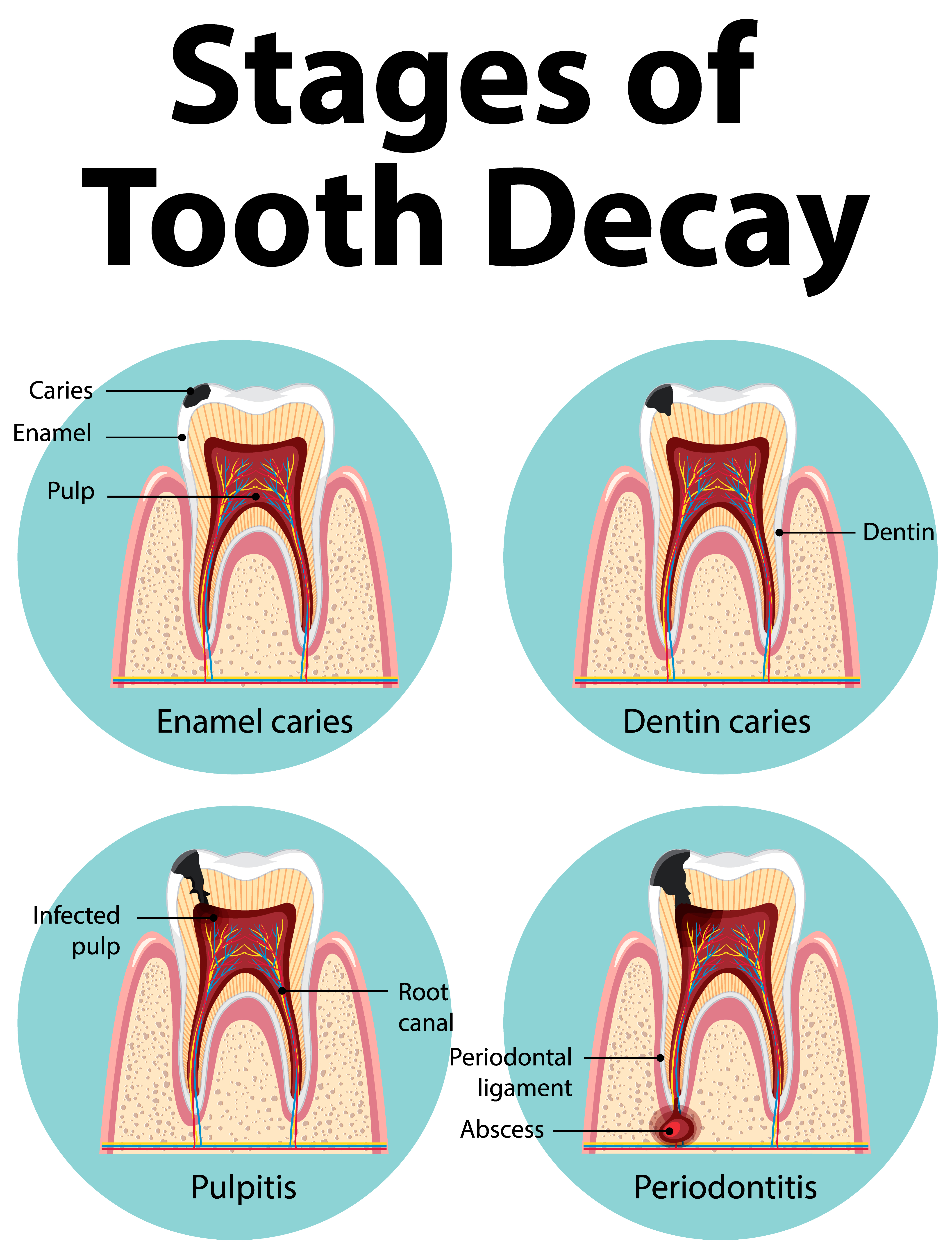
Fluoride toothpaste serves as an effective defense against early-stage tooth decay. By promoting remineralization, a natural restoration of essential minerals to compromised areas, it strengthens enamel and may successfully reverse early tooth damage before a cavity forms.
Clean your teeth twice a day using a soft-bristled brush and fluoride toothpaste. After brushing, spit out the excess toothpaste and, instead of rinsing right away, let the fluoride sit longer so your teeth can absorb it.
While fluoride helps protect enamel, it cannot restore a tooth once a cavity has fully formed. If you experience pain while chewing, persistent sensitivity, or notice a visible cavity, schedule a dental checkup. Addressing decay early can help prevent the need for more extensive dental procedures in the future.
2. Change Your Daily Habits to Slow Further Decay
Dietary choices and how often you eat significantly affect how quickly tooth decay progresses. Every time you consume dietary sugars, plaque bacteria feed on them and generate acids that erode enamel. Frequent snacking and sipping sugary drinks throughout the day repeatedly expose your teeth to these acids.
Try limiting sweets, sugary beverages, and frequent snacks between meals. Drink water regularly, especially after meals, and choose balanced meals that include vegetables, protein, and other nutrient-rich foods. Floss or use an interdental cleaner to remove plaque in areas a toothbrush cannot reach.
Adopting these lifestyle adjustments can help protect your remaining healthy tooth structure, it cannot restore or reverse existing cavity damage. If a cavity has already formed, developing healthier habits must work alongside, rather than replace, professional dental care.
3. Use Home Care for Temporary Comfort, Not a Cure
Tooth pain can disrupt eating, sleeping, and concentration. A gentle warm salt-water rinse disrupt essential daily routines, including eating, sleeping, and focusing. Rinsing gently with a solution of warm water mixed with a small amount of salt can help soothe inflamed tissues, though it will not eliminate decay or clear an infection. Afterward, be sure to spit the rinse out.
An over-the-counter pain reliever can assist with temporary pain management if taken according to the product instructions and your specific health needs. Consult a healthcare provider or pharmacist if you need guidance on selecting the right medication.
Avoid placing aspirin directly against your tooth or gums, as it can damage the tissue. Do not put sharp objects into a cavity or try to scrape away damaged areas. If pain persists or worsens, seek dental care promptly. Temporary relief should not become a reason to postpone treatment.
4. Avoid Home Remedies That Cannot Repair a Cavity
Although many online solutions claim to cure tooth decay naturally, few accurately reflect the realities of enamel breakdown. Clove oil may offer brief relief from tooth pain for some people, but it cannot repair structural tooth damage and may irritate sensitive oral tissues if applied incorrectly. Similarly, remedies like garlic, turmeric paste, and oil pulling can't restore damaged enamel or fill an existing cavity.
Use homemade baking soda or hydrogen peroxide mixtures with caution. Improper concentrations or excessive use can irritate your mouth or harm your teeth. Additionally, DIY cavity-filling products should not replace a professional examination.
Relieving pain or discomfort is fundamentally different from addressing the underlying cause of tooth decay. Even if a tooth stops hurting, decay can continue to advance beneath the surface. If you suspect you have a cavity, a dental evaluation is essential to assess the extent of the damage and identify the right course of treatment.
5. Know When Tooth Decay Needs Professional Treatment
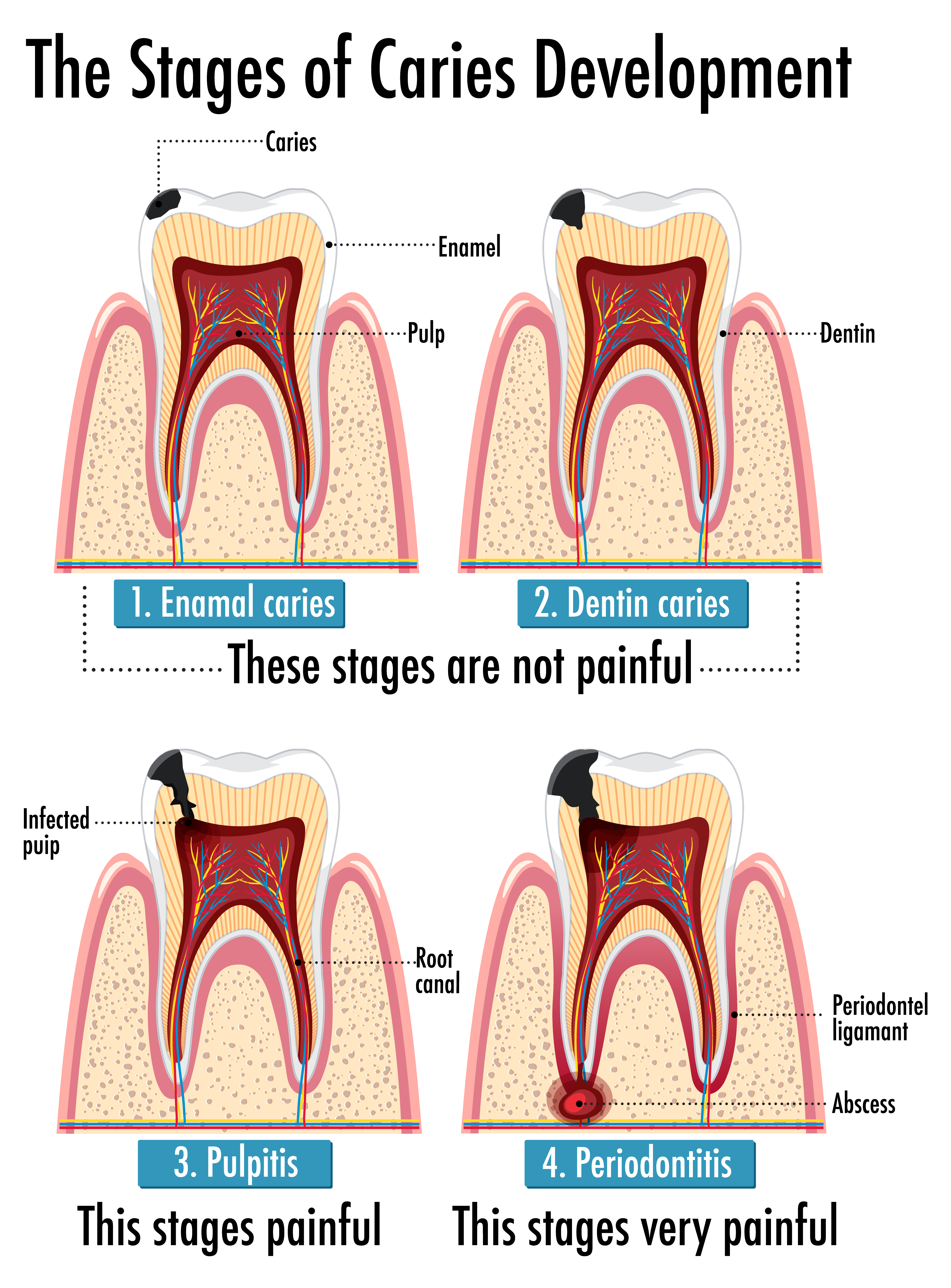
Early tooth decay may appear as a white spot on the enamel and can sometimes be reversed with fluoride and appropriate oral care before a cavity forms. Once the tooth develops a hole, however, the lost structure generally cannot grow back.
A dentist may recommend fluoride treatment for early damage, a filling for a cavity, or root canal treatment if decay reaches the pulp inside the tooth. Severely damaged teeth may need a crown or, in some cases, extraction.
Do not wait for severe pain before seeking an assessment. Persistent toothache, worsening sensitivity, pain when biting, or visible holes warrant a dental appointment. Swelling, pus, fever, or a suspected abscess require urgent attention. Difficulty breathing or swallowing, or significant swelling around the mouth or neck, requires emergency medical care.
6. Explore Treatment Options and Costs Before Delaying Care
If you are putting off a dental visit because you are worried about the cost, start by finding out what treatment your tooth actually needs. A simple filling may be enough for a small cavity, while deeper decay may require more involved treatment. An examination can clarify your options instead of leaving you to guess based on symptoms.
Ask the dentist to explain the recommended procedure, alternatives, likely costs, and consequences of delaying treatment. If you are considering dental care abroad, compare the full treatment plan, provider credentials, follow-up arrangements, and travel expenses rather than looking at the procedure price alone.
Envoy Health can help you explore dental treatment options and understand costs, including care abroad when appropriate. Having clear information about your choices can make it easier to plan treatment around your needs and budget.
Conclusion
Ignoring tooth decay never resolves the problem. Although consistent oral hygiene and fluoride toothpaste help protect enamel, an established cavity requires professional dental attention. Timely intervention can reduce further damage and lower the likelihood of more invasive procedures.
Taking prompt action against tooth decay maximizes your chances of preserving your natural tooth and steering clear of extensive dental work. Envoy Health can help you evaluate treatment options, navigate costs, and explore overseas care if it's a good fit.
Ready to compare Dental Work options?
Get clinic options, pricing guidance, and recovery expectations from Envoy Health before taking the next step.
Disclaimer
The information in this article is for educational purposes only and does not replace medical advice. Always consult your doctor before starting any treatments.
Published by Envoy Health. Reviewed for patient-safety framing by Envoy Health Medical Content Review. See our editorial, AI-assistance, and medical review policy.
To request a correction, email contact@envoyhealth.io with the page URL and supporting source.
Compare reviewed clinics, pricing guidance, and recovery expectations before you commit.
So, we partner with the premier healthcare facilities!



Send me the list