How Does a Tooth Infection That Spreads to Brain Put Your Life at Risk?


Compare Dental Work options before you commit
Get clinic options, pricing guidance, and recovery expectations from Envoy Health before taking the next step.

Key Takeaways
- Untreated tooth infections can spread to organs like the brain, heart, or eyes via localized or systemic venous spread.
- Emergency warning signs of tooth infections spreading to the brain include persistent and severe headaches, fever, stiff neck, fatigue, nausea, vomiting, memory problems, altered mental state, paralysis, and death in severe cases.
- Brain abscesses due to tooth decay are serious and require immediate medical attention. Diagnosis includes imaging tests such as MRI and CT scans, blood tests, and neurological function tests. Treatment includes draining pus-filled abscesses, antibiotic therapy, and steroid medication, root canal treatment, or tooth extraction.
Still comparing Dental Work options?
Envoy can help you compare reviewed clinics, pricing guidance, and recovery expectations before you make a decision.
Can a Tooth Infection Spread to Your Brain?
Yes, a tooth infection, if left untreated, can spread to other parts of the body, including the brain. Most infections spread to the areas between the jawbone and the soft cheek muscles. Studies suggest that, in rare cases, dental infections can spread to the facial spaces, leading to a more serious condition.[1]
One of the most common conditions of tooth infection spreading to the brain is a brain abscess. While the chances of the brain being infected are as low as 0.3 to 0.9 per 1,00,000 persons, the consequences are critical. Tooth infection spreading to the brain has a death rate of 17 to 37% (in severe cases). Studies reveal that less than half of the infected patients completely recover, and one-third suffer from mild problems. [2]
It's important to note that tooth infections are not the only cause of brain abscesses. More common causes include neurosurgery, traumatic head injuries, and systemic infections spreading through the bloodstream. NHS states that tooth infections can also contribute, especially when bacteria spread from the oral cavity to the brain through the bloodstream or direct extension from nearby tissues.[3] But when this occurs, the effects are severe and fatal.
Tooth Infection Spread to Brain Symptoms
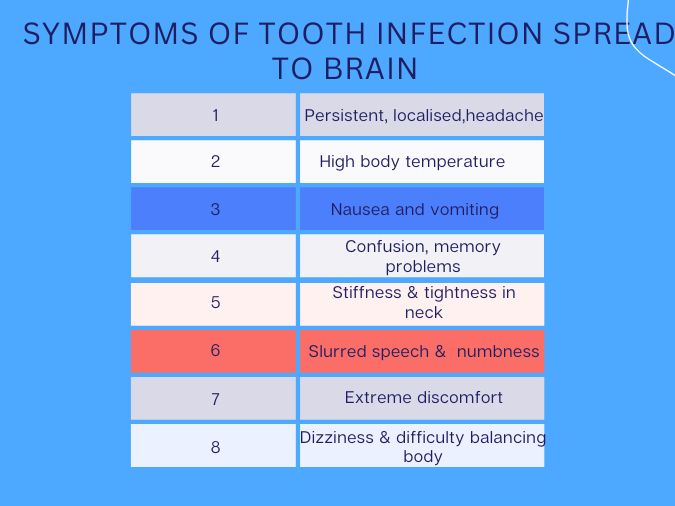
A tooth infection that spreads to the brain can cause a brain abscess. It shows up as a pus-filled swelling in the brain due to the existing bacterial or fungal infection. Typically, one will notice the following symptoms.
- Constant, localized, severe headache that doesn’t go off with painkillers.
- High body temperature, with chills and profuse sweating.
- Sick feeling with nausea and vomiting.
- Altered mental state with confusion, memory problems, irritability, and altered speech.
- Extreme stiffness and tightness of the neck, and muscle weakness.
- Slurred speech, numbness, or fatigue, ranging from paralysis in a few cases.
- Extreme discomfort and pain to see the light.
- The feeling of dizziness and difficulty in balancing the body.
One of the most severe conditions is meningitis from tooth infection symptoms. Candidates with compromised immune systems are more prone to the disease. Meningitis occurs due to bacterial, viral, or fungal infections and causes inflammation of the fluid surrounding the brain and spinal cord. Patients notice stiff necks, high fevers, and severe headaches, which cannot be ignored.
Tooth Infection: What this Dental Issue means?
Dental or tooth infections occur when the oral bacteria inhabit the tooth pulp and spread to the surrounding supportive structures or tissues. Tooth infections were indeed a leading cause of fatality centuries ago. However, improved dental hygiene, awareness, and treatment made a bigger difference, making it a “less” severe problem. In most cases, a dental infection isn’t associated with risky situations, particularly when it’s dealt with effective treatment early on. However, patient neglect due to budget concerns, disbelief in antibiotics, lack of awareness, or dental anxiety can cause serious complications.[4]
The symptoms of a tooth infection typically include bad breath, discoloration, tooth pain, sensitivity, swelling, and redness around the gums, with pus discharge. Most patients consider the severity of tooth infection when it interferes with their quality of life. Severe tooth sensitivity to temperature, sweetness, or bite force and intense pain deep inside the tooth are commonly complained. Tooth infection occurs when the oral bacteria enter the internal portion due to any of the following causes:
- Cracked or chipped teeth, where the bacteria gain access to the tooth pulp through small crevices on the external hard enamel.
- Improper or damaged dental work, such as fillings, root canals, or crowns that are broken or have smaller creases, allowing bacteria to seep in.
- Poor oral hygiene, with excessive plaque buildup on the teeth, is a breeding ground for bacteria.
- A diet rich in sugar and carbonated drinks erodes enamel, leading to dental cavities.
- Dental injury, periodontal diseases, or gum infections, through which bacteria gain access to the tooth interior.
- Dry mouth caused by old age, medications, or habits such as chewing tobacco or smoking can make teeth more prone to infection.
Is Tooth Infection Serious?
In its early stages, a tooth infection is generally not serious. However, it can significantly impact your quality of life when it causes tooth pain or sensitivity. Do you believe that a tooth infection, when not treated, can cause life-threatening problems?
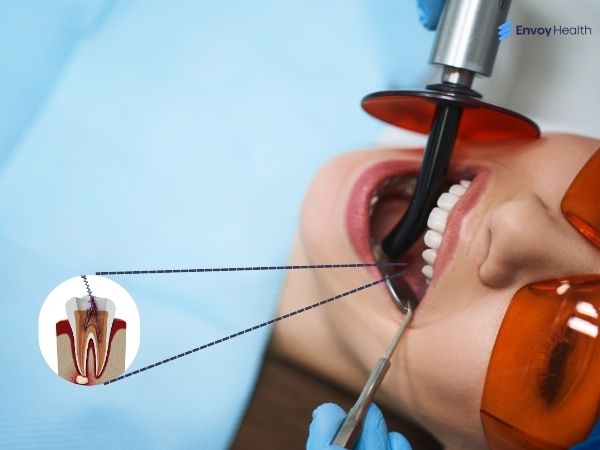
Yes, an untreated tooth infection can initially cause localized dental pain and discomfort. The bacteria enter the tooth by crossing the enamel (the hardest layer) and dentin. In some cases, a cracked tooth can allow bacteria to penetrate deep into the tooth. There, they infect the tooth pulp and other soft tissues, including nerves and blood vessels. The infected pulp swells, putting pressure on the external tooth portion, which is felt as pain or a toothache. The body launches an immune response against the multiplying bacteria, and patients notice pus containing dead bacteria and immune cells.
In most cases, dentists perform a root canal procedure to clear the infected pulp and bacteria from the affected tooth. This will typically abort the erupting bacterial multiplication, offering relief from infection. However, in cases of severe infection or improperly performed RCT, the infection may recur, requiring a repeat root canal procedure or tooth extraction. A few patients leave it untreated or consume over-the-counter painkillers to alleviate the pain. In either case, the infection spreads beyond the affected tooth to surrounding oral tissues and other body parts, leading to systemic infection and worsening the situation. This can be life-threatening, especially when it spreads to other body parts like the heart and brain, or oral parts obstructing the airways.[5]
How Can Tooth Infection Cause Brain Infection?
The bacteria limit themselves to the tooth interior portions during the early stages of infection. However, in severe stages of tooth infection, the oral bacteria from dental abscesses spread beyond the tooth. A tooth infection spreading to the brain can be due to
- Direct spread from nearby areas (especially infection in the upper jaw teeth)
- Bacteria entering the bloodstream (usually after an invasive dental procedure)
- Direct infection through the veins.
Which Bacteria Are Involved in Tooth Infection That Goes to Brain?
The most common tooth bacteria that spread to the brain include Streptococcus, Staphylococcus, Actinobacillus, Actinomyces, and Fusobacterium.
What Happens if Tooth Infection Spreads to Brain?
Tooth infection spreading to the brain leads to bacterial spread in the brain and is associated with pus-filled pockets. This causes severe symptoms that disturb normal life, leading to permanent neurological damage and death in severe cases.
A tooth infection should never reach the point of risking your health. Envoy Health helps you find reliable, affordable dental care so you can act early and stay safe. Take control of your oral health. Sign up today and connect with expert dentists who care.
What To Do When You Notice the Symptoms of Brain Infection From Tooth?
It's better to book a doctor's appointment and attend a consultation as you notice the onset of tooth infection spreading to brain symptoms. While you wait for your appointment, you may rely on over-the-counter painkillers like ibuprofen or acetaminophen. Rinsing your mouth with saltwater can clear debris and reduce inflammation around the infected tooth. Regularly brush your teeth, floss, and use an antibacterial mouthwash to slow bacterial spread. Limit consumption of sugar-rich foods and carbonated drinks, as they can fuel tooth infections.
Note that following these measures will only slow the spread of the infection. They do not kill or remove the bacterial population. So, do not prolong your wait time; consult your doctor for better outcomes. Remember that prompt action prevents symptom worsening.
Tooth Infection Spread to Brain Treatment
Taking painkillers or adopting mitigation measures can only lessen the pain or discomfort without addressing the underlying infection. Expert attention is much needed to clear the infection, failing which can only worsen the symptoms.
Medical practitioners perform tests like:
- Brain imaging tests, such as CT and MRI scans, are used to visualize the abscesses, their size, and location
- Neurological tests to assess the brain's functioning
- Blood tests to confirm infection and learn about its intensity
Once the infection spread is confirmed, they adopt any of the following treatment approaches. [6]
- Removal of causative factors: The doctors will drill a hole into the skull or surgically remove a piece of the skull to remove the abscess. This depends on the size and severity of the brain abscess, and smaller pus pockets are dealt with by simple aspiration. However, larger pus-filled pockets or those in inaccessible areas require craniotomy surgery.
- Antibiotic therapy: Doctors prescribe aggressive antibiotic therapy to fight and kill the infecting bacteria. They combine steroid medications to reduce the swelling and pressure in the parts of the brain and antifungal medications, too. Plus, they reduce the body’s water content and also prescribe antiseizure medicines if necessary.
- Root canal treatment: Dentists perform RCT on the infected tooth to remove the bacterial population. Suppose it's a cracked tooth, dentists clean the root canals and seal the exterior with dental material or a dental crown.
- Tooth extraction: To remove the source of bacterial infection, severely infected teeth are removed by surgical or simple tooth extraction. Dentists recommend dental implant treatment to replace a missing tooth. They fix metal screw like dental implants that bear artificial teeth.

We not only guide you through effective treatment steps but also debunk the myths that keep many patients hesitant.
Common Myths About Tooth Infection That Spreads to Brain
Tooth infections are no joke, but the fear of them spreading to the brain often leads to panic and misinformation. Below, we state a few myths and facts to focus on.
- Myth: Every tooth infection will reach your brain, causing severe symptoms.
Fact: No! While untreated infections do spread, it's rare. Getting timely dental care reduces the risk. - Myth: Patients always feel intense pain before it spreads.
Fact: No! Some infections progress silently. Attending your regular check-ups makes the difference. - Myth: Oral antibiotic consumption cures a serious tooth infection.
Fact: No! While antibiotics kill the bacteria, removing the infected tooth pulp and debris will eliminate the root cause. You require a root canal treatment or tooth extraction to clear this off completely. - Myth: Your infection got cleared as the pain subsided.
Fact: No! The infection can still be spreading even if the pain subsides. The bacteria may have moved deeper into the tissues or bloodstream. An expert examination is much needed. - Myth: Swishing salt water clears off the dental abscess.
Fact: Partial, yes. While saltwater reduces swelling, it cannot eliminate the infection. Your dentist should drain the abscess to remove the pus and bacteria and prescribe antibiotics. Anyways, maintaining good oral hygiene is the key.
Does Tooth Infection Spread to Body Parts Other Than the Brain?
Besides the brain, an untreated tooth infection can spread to other body parts through localized spread or via the bloodstream, causing systemic infection. The common symptoms of tooth infection spreading to body include low-grade fever, tiredness, increased breathing and heart rate, stomach pain, dark-colored urine, and reduced urination. Less severe symptoms like mild dizziness, itching, or burning sensation on the skin also occur quite often. One cannot ignore the symptoms of tooth infection spreading to bloodstream if a deep, intense toothache accompanies it.
On the other hand, tooth infection spread to eye symptoms include swelling and pain with tenderness around the eyes. Patients also experience double vision, droopy eyelids, and difficulty moving the eyeballs. Some extreme cases of infection also show yellowish or greenish discharge.

Tooth infection can also cause severe infection in the heart lining, leading to endocarditis. Other symptoms of infection, such as fever or fatigue, are common. In addition, tooth infection-induced endocarditis is characterized by chest pain with breathing, shortness of breath, a new heart murmur, and swelling of the legs or stomach. This is a life-threatening infection of the heart valves requiring the intervention of a cardiac surgeon along with prompt dental treatment.
How Long Until a Tooth Infection Kills You?
Death due to a tooth infection can occur within a few days or a few months. This typically depends on the time taken for the infection to spread, which, in turn, depends on overall health and infection severity. Candidates with compromised immune systems or who are older are more likely to experience symptoms early on. On the other hand, younger individuals with healthy bodies have stronger immune systems to fight the growing bacteria. So, the chances of infection spreading are indeed lower over longer periods.
Early intervention helps prevent complications from a tooth infection. Treating an infected tooth at the first signs of trouble can stop the infection from spreading. While dental caries are common, it’s always better to prevent an infection than to deal with its consequences. Regular check-ups and routine cleanings go a long way to keep your oral health in check.
While most people associate a toothache with something minor, an untreated tooth abscess or cracked tooth can quickly become a serious dental problem. Bacteria from tooth decay or gum disease can spread beyond the affected tooth, leading to a systemic infection that impacts your overall health. In severe cases, an abscessed tooth can cause a severe headache, jaw swelling, and even the risk of infection spreading to the brain. That’s why good oral hygiene and regular general dentistry checkups are crucial, not just for preventing dental pain but for protecting your long-term health. Whether it’s a child needing pediatric dentistry care or an adult considering teeth whitening or a dental implant, addressing every dental issue early can prevent complications that go far beyond your smile.
A tooth infection won’t go away on its own. Delaying treatment can lead to serious complications. The best way to avoid dental pain, costly procedures, and potential health risks is by acting early. Prioritize your oral health. Schedule a dental check-up, address any signs of infection, and stay ahead with routine cleanings. A healthy smile starts with proactive care.
Take the first step today by signing up with Envoy Health, where trusted clinics, expert care, and affordable treatments come together to give you the best dental experience. Don't wait until it’s too late. Your smile deserves the best!
References
- Brain Complications From Odontogenic Infections: A Systematic Review
- An Unusual Case Of Dental Infection By Pseudomonas Aeruginosa Causing A Brain Abscess: Case Report
- Brain Abscess
- Dental Infections
- A Case Of Odontogenic Brain Abscess Arising From Covert Dental Sepsis
- Brain Abscesses And Intracranial Empyema Due To Dental Pathogens: Case Series
Ready to compare Dental Work options?
Get clinic options, pricing guidance, and recovery expectations from Envoy Health before taking the next step.
Disclaimer
The information in this article is for educational purposes only and does not replace medical advice. Always consult your doctor before starting any treatments.
Published by Envoy Health. Reviewed for patient-safety framing by Envoy Health Medical Content Review. See our editorial, AI-assistance, and medical review policy.
To request a correction, email contact@envoyhealth.io with the page URL and supporting source.
Compare reviewed clinics, pricing guidance, and recovery expectations before you commit.
A tooth infection that spreads to the brain may cause severe headaches that do not subside with painkillers. Patients experience high fever, tiredness, neck stiffness, nausea, vomiting, confusion, and changes in mental abilities. In a few cases, seizures, difficulty in speaking, double vision, and paralysis also occur.
Although the chances of tooth infection spreading to brain are quite low in healthy, young individuals, it can take a few days or months, depending on the severity of the infection and oral health. Immunocompromised individuals see tooth infection brain fog symptoms early on. Candidates seeing their dentist regularly for routine check-ups and cleaning sessions can definitely avoid severe situations.
A tooth infection spreading to the brain generally manifests as a confused mental state, difficulty speaking, blurred eyesight, sensations of nausea, fainting, frequent fatigue, associated fever, and severe and persistent headaches.
A subsided pain within an infected tooth does not mean abruption in the infection spread. It can silently spread to other body parts through localized or systemic spread through the bloodstream. Do not ignore symptoms like low fever, headaches, double vision, fatigue, altered breathing, and heart rate.
When a tooth infection is too severe and is not properly treated, it can lead to a brain infection. The bacteria within the infected tooth can diffuse through tissue lining or blood, reaching the brain and infecting the tissues, causing brain abscesses and neurological problems. Although this is rare, the chances of survival are quite low, causing paralysis and death.
A tooth infection can spread to the brain through localized spread from the infected upper jaw or the bloodstream via veins.
So, we partner with the premier healthcare facilities!








Send me the list