What Is Tooth Cavity Decay? Causes, Symptoms and Treatment


Compare Dental Work options before you commit
Get clinic options, pricing guidance, and recovery expectations from Envoy Health before taking the next step.

Key Takeaways:
-
Tooth cavity decay develops gradually: Bacteria in dental plaque produce acids that weaken enamel and eventually create cavities.
-
Sugar is not the only risk factor: Poor oral hygiene, frequent snacking, dry mouth and inadequate fluoride exposure can also contribute to tooth decay.
-
Early decay may not cause pain: White spots or subtle enamel changes can indicate mineral loss before noticeable symptoms develop.
-
Cavities progress through different stages: Decay can move from enamel to dentin and eventually reach the dental pulp, potentially causing infection.
-
Treatment depends on the extent of damage: Early enamel changes may respond to fluoride treatment, while established cavities may require fillings, crowns or root canal treatment.
-
Prevention starts with daily oral care: Brushing twice daily with fluoride toothpaste, flossing, and limiting frequent sugar consumption can reduce the risk of cavities.
-
Regular dental examinations matter: Professional assessments help identify decay early and determine the most appropriate treatment.
Still comparing Dental Work options?
Envoy can help you compare reviewed clinics, pricing guidance, and recovery expectations before you make a decision.
A cavity can develop long before you notice a toothache. What starts as a small loss of minerals in your enamel can gradually progress into deeper tooth damage if bacteria continue to produce acids.
Tooth cavity decay happens when acids break down the protective layers of your teeth, eventually creating cavities that may require fillings, crowns or even root canal treatment. However, the progression of decay is not always inevitable. Early enamel damage may be reversible, and timely dental care can help prevent more extensive procedures.
Recognising the early signs, understanding what increases your risk of cavities and knowing when to seek treatment can make a significant difference in protecting your natural teeth.
In this guide, we explore what causes tooth cavity decay, its symptoms, the stages of progression, treatment options and practical ways to prevent cavities.
1. What Is Tooth Cavity Decay and How Does It Develop?
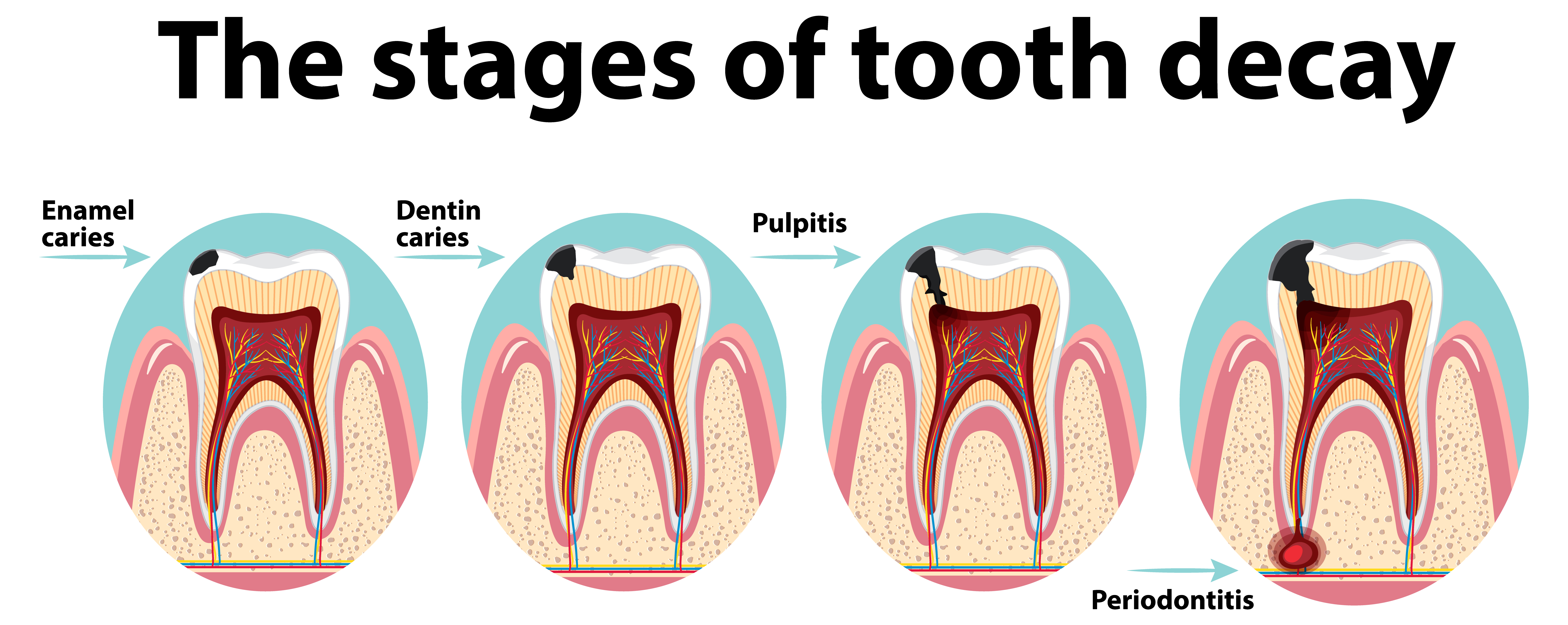
Tooth cavity decay, clinically known as dental caries, is a progressive condition in which acids produced by bacteria in dental plaque damage your teeth. It begins with the loss of minerals from the enamel, the hard outer layer that protects each tooth. If this damage continues, the enamel can break down and form a cavity, leaving the underlying layers vulnerable to bacterial infection.
The process starts when bacteria in your mouth feed on sugars and fermentable carbohydrates from food and drinks. This produces acids that gradually dissolve minerals from the enamel. Normally, saliva helps neutralise these acids and restore some of the lost minerals. Fluoride also supports this repair process by strengthening enamel against further acid attacks.
However, when acid exposure occurs frequently, the natural repair process may not keep pace with mineral loss. Early enamel damage may still be reversible, but once a physical cavity forms, the tooth cannot repair the lost structure.
Identifying decay early can help you avoid more extensive dental procedures. To understand your risk, it helps to look at the everyday habits and oral health conditions that contribute to cavity formation.
2. What Causes Tooth Cavity Decay?
Tooth cavity decay develops when bacteria in dental plaque produce acids that gradually dissolve minerals from your enamel. Although sugar is a major contributor, several factors influence how frequently these acid attacks occur and how effectively your teeth recover.
Plaque buildup: Dental plaque is a sticky film of bacteria that forms on tooth surfaces. When it remains on your teeth, bacteria produce acids that weaken enamel and increase the risk of cavities, particularly around the gumline and between teeth.
Frequent sugar consumption: Every time you consume sugary foods or drinks, plaque bacteria use those sugars to produce acids. Frequent snacking and sipping sweetened beverages throughout the day expose your teeth to repeated acid attacks.
Inadequate oral hygiene: Skipping regular brushing or flossing allows plaque to accumulate. Over time, this increases the likelihood of enamel demineralisation and cavity formation.
Dry mouth: Saliva helps neutralise acids, wash away food particles and supply minerals that support enamel repair. Reduced saliva production can therefore increase your risk of tooth decay.
Other risk factors: Insufficient fluoride exposure, certain medications that cause dry mouth and deep grooves in molars can make teeth more vulnerable to cavities.
Understanding these risk factors helps you identify habits that may be contributing to tooth decay. However, recognising the symptoms is equally important, particularly because early decay can develop without causing pain.
3. What Are the Symptoms of Tooth Cavity Decay?
Tooth cavity decay can be difficult to recognise initially because early enamel damage often causes no discomfort. As the decay progresses into deeper layers, however, you may begin noticing visible changes or physical symptoms.
One early sign is the appearance of white or chalky spots on your teeth. These may indicate mineral loss from the enamel. As the damage advances, brown or black discolouration, small pits or visible holes may develop. However, discolouration alone does not confirm a cavity, as other conditions can also change tooth colour.
You may also experience sensitivity when consuming hot, cold or sweet foods and beverages. This can occur when decay reaches the dentin, the layer beneath the enamel. If the damage progresses further, you may develop pain when chewing or a persistent toothache.
In advanced cases, bacterial infection can cause gum swelling, pus around the affected tooth, facial swelling or fever. These symptoms require prompt dental assessment. Facial swelling accompanied by difficulty swallowing or breathing requires emergency medical attention.
Note: Do not wait for a toothache before scheduling a dental examination. A dentist can identify early decay through a clinical examination and, when necessary, dental X-rays. Early diagnosis can help prevent further damage.
4. What Are the Stages of Tooth Cavity Decay?
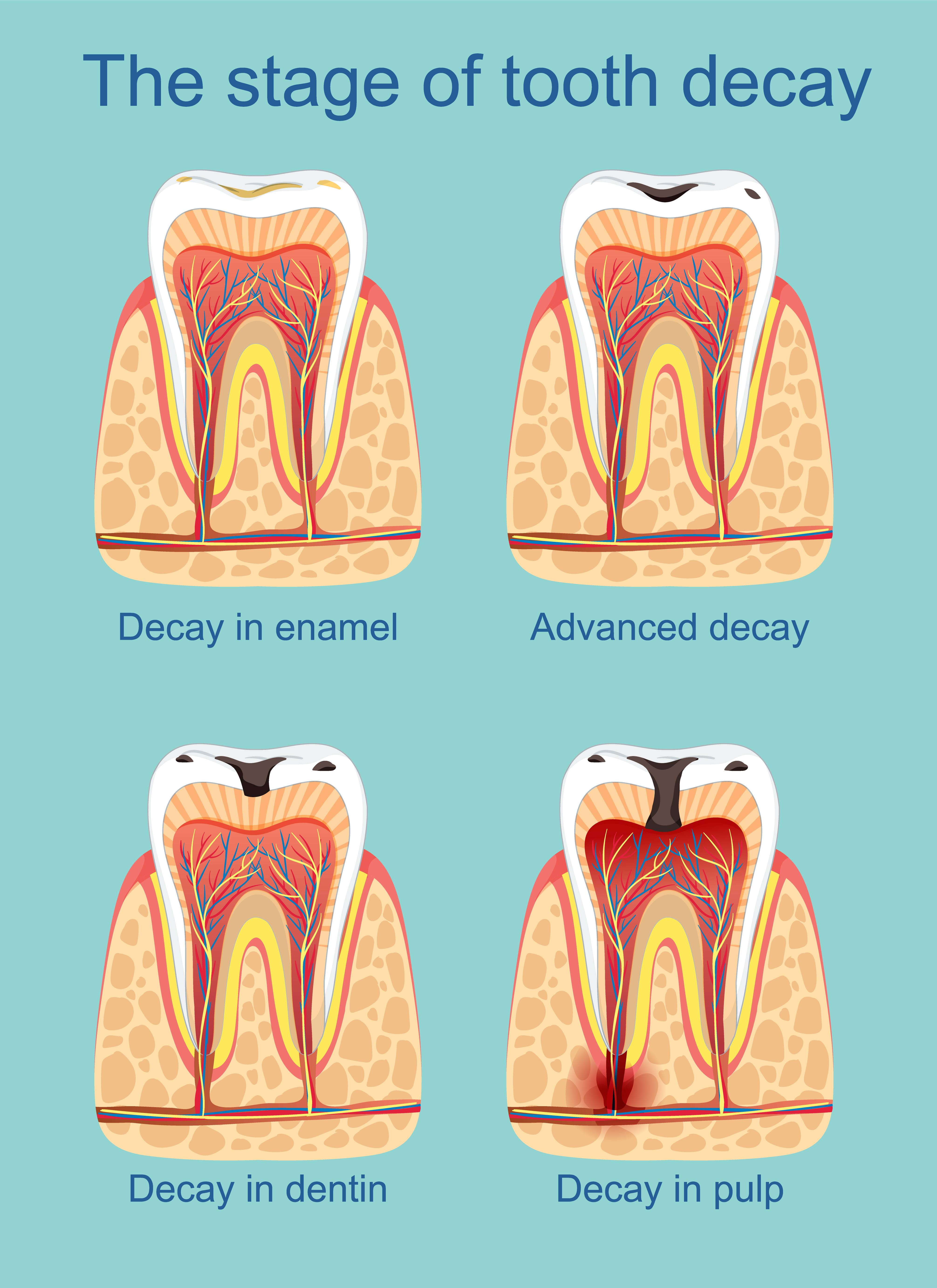
Tooth decay progresses as bacteria continue to damage the tooth structure, moving from the outer enamel towards the inner pulp. Understanding these stages helps explain why treatment recommendations vary from one patient to another.
Stage 1: Enamel demineralisation - The earliest stage involves mineral loss from the enamel. You may notice white spots, although the tooth surface may remain intact. At this point, fluoride and improved oral hygiene may help remineralise the affected area.
Stage 2: Enamel decay - Continued acid exposure can break down the enamel, eventually creating a cavity. Once a hole forms, the lost tooth structure cannot regenerate naturally.
Stage 3: Dentin decay - Bacteria reach the dentin beneath the enamel. Since dentin is softer, decay can progress more rapidly, and sensitivity may become noticeable.
Stage 4: Pulp involvement - Decay reaches the pulp, which contains the tooth's nerves and blood vessels. Inflammation or infection can cause significant pain and may require root canal treatment.
Stage 5: Advanced infection - If the infection remains untreated, an abscess may develop around the tooth root. Depending on the damage, treatment may involve root canal therapy or extraction.
The stage of decay determines which treatment is appropriate. Therefore, a dental examination is essential before deciding how to restore an affected tooth.
5. How Is Tooth Cavity Decay Treated?
Your dentist will assess the extent of decay, examine the affected tooth and may recommend X-rays to determine whether the damage has reached deeper structures. Depending on these findings, treatment may involve one of the following approaches.
Fluoride treatment: If decay is detected before a cavity forms, professional fluoride treatment may help restore lost minerals and strengthen enamel. This approach is suitable for certain early lesions, not established cavities.
Dental fillings: When decay creates a cavity, the dentist removes the damaged tissue and fills the space with a restorative material. This helps restore the tooth's shape and function.
Dental crowns: If decay or previous damage has weakened a substantial portion of the tooth, a dental crown may be recommended to cover and protect the remaining structure.
Root canal treatment: When bacteria reach the pulp, root canal treatment removes infected or inflamed tissue from inside the tooth. The dentist then cleans, seals and restores it, often with a crown when necessary.
Tooth extraction: If the damage is too extensive to restore the tooth predictably, extraction may be the most appropriate option. Your dentist can discuss replacement options if needed.
The key is to match the treatment to the condition of the tooth. Seeking care before decay reaches the pulp may help you avoid more complex procedures and preserve more of your natural tooth structure.
6. How Can You Prevent Tooth Cavity Decay?
Treating an existing cavity addresses the damage, but preventing new cavities requires consistent oral care. A few daily habits can significantly reduce your exposure to the factors responsible for tooth decay.
Brush twice a day for two minutes using fluoride toothpaste. Pay attention to the gumline and back teeth, where plaque can accumulate. Additionally, floss or use an interdental cleaner daily to remove food particles and plaque from areas your toothbrush cannot reach.
Your diet also matters. Limit sugary snacks, sweetened beverages and frequent between-meal snacking. Drinking water regularly also helps maintain saliva flow and wash away food debris.
Finally, schedule routine dental examinations. Your dentist can identify early enamel changes, assess your cavity risk and recommend preventive measures such as professional fluoride applications or dental sealants when appropriate.
Prevention is especially important if you have a history of cavities, experience dry mouth or take medications that reduce saliva production. Your dental care routine should reflect these individual risk factors.
Conclusion
Tooth decay can progress from minor enamel damage to deeper infection, but timely diagnosis gives you more opportunities to preserve your natural teeth. If you notice sensitivity, visible changes or persistent discomfort, have a dentist assess the affected tooth rather than waiting for the symptoms to worsen.
If you need restorative dental care, Envoy Health can help you explore dental treatment options in Mexico. Through a free consultation, you can discuss your dental concerns, understand potential treatment options and take the next step towards arranging appropriate care.
Ready to compare Dental Work options?
Get clinic options, pricing guidance, and recovery expectations from Envoy Health before taking the next step.
Disclaimer
The information in this article is for educational purposes only and does not replace medical advice. Always consult your doctor before starting any treatments.
Published by Envoy Health. Reviewed for patient-safety framing by Envoy Health Medical Content Review. See our editorial, AI-assistance, and medical review policy.
To request a correction, email contact@envoyhealth.io with the page URL and supporting source.
Compare reviewed clinics, pricing guidance, and recovery expectations before you commit.
Send me the list