Dealing With Stomatitis From Dentures? Here’s What to Know


Compare Dental Work options before you commit
Get clinic options, pricing guidance, and recovery expectations from Envoy Health before taking the next step.
Table of contents
- What Is Denture Stomatitis?
- What Does Denture Stomatitis Look Like?
- What Causes Denture Stomatitis?
- Types of Denture Stomatitis
- Who Is at Risk of Denture Stomatitis?
- Is Denture Stomatitis Dangerous?
- How Is Denture Stomatitis Diagnosed?
- Treatment
- Denture Stomatitis Treatment at Home
- How Long Does It Last?
- Can You Prevent It?
Key Takeaways
- Stomatitis from dentures is often overlooked, but it can lead to pain and discomfort when left untreated. A lack of oral hygiene and ineffective denture cleaning allows the fungal pathogen C. albicans to grow on gum surfaces in contact with dentures.
- Treatment includes antifungal medications such as nystatin and miconazole available as lozenges, topical gels, and suspensions. Some dentists recommend low-level laser therapy or a surgical procedure (severe cases) to clear the growing thrush.
- Regular denture cleaning, removing them overnight, soaking in cleansing solution, and effective salt water rinsing at specific intervals will reduce the fungal load. Habits like smoking and tobacco consumption can ruin oral and overall health. Quitting smoking improves denture lifespan with better gum health.
Still comparing Dental Work options?
Envoy can help you compare reviewed clinics, pricing guidance, and recovery expectations before you make a decision.
What Is Denture Stomatitis?
Denture stomatitis, also called denture sore mouth or denture-induced stomatitis, is the inflammation of the gums and soft tissues beneath dentures. While in most patients, it's painless and unnoticeable, it can cause intense pain and severe discomfort in serious cases. Dental professionals also call it “oral thrush,” particularly when Candida albicans is the primary cause.
It’s worth mentioning that denture stomatitis cannot be confused with stomatitis. Stomatitis is inflammation of the oral mucosal tissues, while denture stomatitis is particularly prevalent among denture wearers, often due to the specific pathogen C. albicans.
Dentures are a set of artificial teeth with a pink base and are held in place by the gums. While dentures replace all the teeth in a jaw, they can cause gum swelling and discoloration, particularly in the areas they cover. This is more common in candidates with poor oral hygiene and for those wearing ill-fitting dentures. While it's rarely dangerous, denture stomatitis can be quite uncomfortable in many people.
What Does Denture Stomatitis Look Like?
Knowing the signs and symptoms of the problem will help with early identification and seeking timely care. Below, we list denture stomatitis symptoms so you can recognise them in advance.
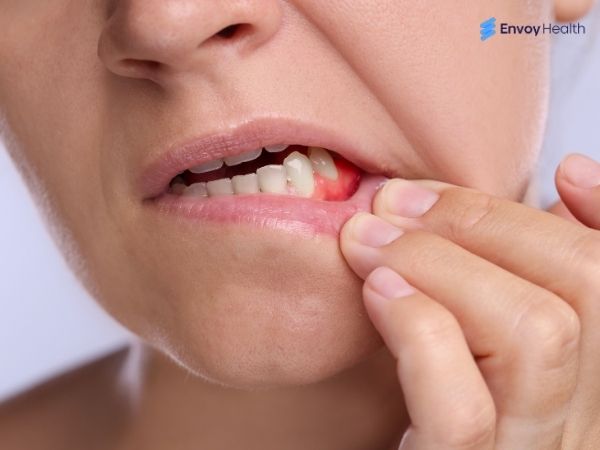
- Bright red, swollen, puffy patches on the palate (roof of mouth) and gum surfaces under dentures
- Smooth, bumpy, or granular surfaced patches of inflamed tissue
- Creamy, white, tiny pinpoint patches and large sores.
- Sores and cracks along the mouth corners
- Mouth tissues become fragile with red dots
- Persistent burning of the mouth tissues with continuous discomfort
- Prolonged sense of bad taste and bad odour within the mouth
What Are the Causes of Stomatitis From Dentures?
Understanding the causes of denture stomatitis will help you address the problem at its root. Not just that, knowing the primary causes in advance will help you better understand the preventive methods to protect your oral health.
- Overgrowth of Candida albicans: C. albicans, a yeast-like fungal microflora, sticks to the porous surface of acrylic dentures. While the denture surface provides a favorable microenvironment rich in sugars and deficient in oxygen, C. albicans proliferates, forming a thin biofilm. [1] The fungal hyphae invade the smooth oral tissues, causing thrush and an inflammatory response. This invasion and inflammation show up as redness, sores, and patchy skin.
- Poor hygiene and inadequate denture cleaning: Dentures should be cleaned in accordance with specialized maintenance procedures. Failing to do so will lead to biofilm formation, plaque build-up, and microbial multiplication.
- Continuous wear of dentures: Wearing dentures continuously creates a warm, moist microenvironment that promotes favorable growth conditions for harmful microbes. Additionally, continuous wear of dentures exerts constant pressure on the gum tissues, increasing the risk of infection.
- Poorly-fitting dentures: Dentures with an ill fit cause constant pressure and mechanical trauma of the oral mucosa. Poor fit causes them to rub and apply uneven pressure on the gums. Tissue trauma causes sores that trap C. albicans, leading to denture stomatitis.
- Systemic conditions: Certain systemic health conditions, such as a compromised immune system (AIDS or chemotherapy), chronic diabetes, and severe nutritional deficiencies, suppress the body’s immune response to C. albicans. This creates a favorable environment for the fungal microbe, ultimately leading to denture stomatitis.
What Are the Three Types of Denture Stomatitis?
Stomatitis caused by dentures is classified based on the clinical appearance of the oral mucosa under the denture. Denture stomatitis is classified based on Newton’s system. It is necessary to assess the severity of inflammation and provide appropriate clinical management. Below, we list the three main types of denture stomatitis.
- Type I: This is the earliest stage of denture stomatitis charcterized by small, localized, reddened areas on the gums in contact with dentures. Type I denture stomatitis is a localized form of inflammation.
- Type II: This is the form of diffused or generalized form of gum inflammation due to dentures. The inflammation is widespread, with large areas of smooth, reddened mucosa.
- Type III: The type III denture stomatitis is an advanced stage featuring a granular, bumpy, or nodular surface appearing on the central portion of the palate.
Who Can Get Stomatitis From Dentures?
Denture stomatitis is more common among individuals wearing removable dentures and those who fail to maintain basic oral hygiene. Research suggests that stomatitis from dentures can occur in both men and women. Both males and females wearing removable dentures face an equal risk of the condition.[2] While it's not certain that everyone who wears dentures will experience denture stomatitis, the condition is more prevalent in the following conditions:
- Elderly individuals who wear removable dentures are at a higher risk. This may be due to age-related changes in oral tissue and a compromised immune system.
- Continuous denture wearers, who do not remove dentures during nighttime. Sleeping with dentures can prevent the tissue from resting, leading to tissue trauma.
- Individuals who wear dentures and have underlying health conditions such as chronic diabetes or AIDS are at higher risk. A weakened immune response in immunocompromised individuals promotes microbial growth, increasing the likelihood of infection and inflammation.
- Candidates who wear dentures and fail to adhere to effective cleaning and maintenance. Plaque formation at the denture-gum interface creates a favorable environment for C. albicans.
- Individuals who wear dentures and have underlying oral conditions, such as dry mouth (xerostomia). Reduced saliva flow increases the risk of oral infections by reducing the natural flushing mechanism.
Is Denture Stomatitis Dangerous?
Denture stomatitis causes severe inflammation and pain in the gums. Failing to act promptly can lead to persistent discomfort, considerably affecting the quality of life. Note that the life-threatening conditions due to denture stomatitis are rare. Stomatitis due to dentures can be fatal in immunocompromised individuals. This can particularly occur when the causative microbe enters the systemic circulation or spreads to other organs, such as the lungs, esophagus, and digestive tract.
However, this is quite rare, as dentists will conduct a comprehensive pre-treatment evaluation before denture treatment. This will eliminate potential risks and complications, easing concerns. A thorough evaluation is mandatory to ensure the dentures are safe and well-fitted for long-term use.
Is Denture Stomatitis Painful?
Stomatitis from dentures is painless during the early stages. Eventually, it causes intense pain, discomfort, and soreness in the gums. Candidates may experience a burning sensation when wearing dentures and eating.
Aside from the painful consequences, the gums may swell due to inflammation, and small warts may develop on the palate. The condition is clinically called inflammatory papillary hyperplasia (IPH). It causes significant discomfort, and many candidates eventually experience their current dentures losing their precision fit. This is due to ongoing inflammation, as ignorance can lead to tissue trauma and damage. Treating at the early stages is essential to improving the quality of life.
How Is Stomatitis Due to Dentures Diagnosed?
Dentists diagnose denture stomatitis through a comprehensive physical examination. They will ask you to remove your dentures and visually assess the location and appearance of stomatitis. This includes noticing the patterns of swelling, redness, and bumps. Further, they will collect a swab and send it for microbial analysis. The presence of Candida albicans confirms the diagnosis of denture-associated stomatitis.
How To Get Rid of Denture Stomatitis?
Denture stomatitis treatment options include:
- Antifungal medication: Dentists recommend antifungal agents, such as nystatin and miconazole, to treat C. albicans infections. Miconazole and nystatin for denture stomatitis are available as topical applications, suspensions, and lozenges. Topical gels are applied directly to the mucosal surface of the affected areas and, in some cases, to the denture fitting surface. The antifungal agent suspensions are gargled in the mouth for several minutes, as specified at set intervals per day. Additionally, dentists recommend soaking dentures in an nystatin solution for effective cleaning. Dentists generally recommend a combination of suspension and topical gels or lozenges for effective results.
- Laser therapy: Dentists use this minimally invasive method to destroy the C. albicans on the palate and denture surface. Low-level laser beams are focused onto the affected area. The method involves a painless procedure and quicker recovery.
- Surgical procedure: Dental professionals recommend surgical treatment for severe cases of denture stomatitis, in which the fungal microbe causes nodules. Surgical removal of the nodules not only eliminates the fungus but also allows dentures to fit properly (like they did earlier).
Denture Stomatitis Treatment at Home
Treating denture stomatitis at home is appropriate for the early stages of infection and tissue response. It does not rely on a single method; it uses a combined approach. This includes:
- Regular cleaning: Dentures should be cleaned daily. They should be removed and cleaned with a soft-bristled brush and a mild cleanser. This effective maintenance allows effective elimination of the microbial population, freeing the patient from the infection.
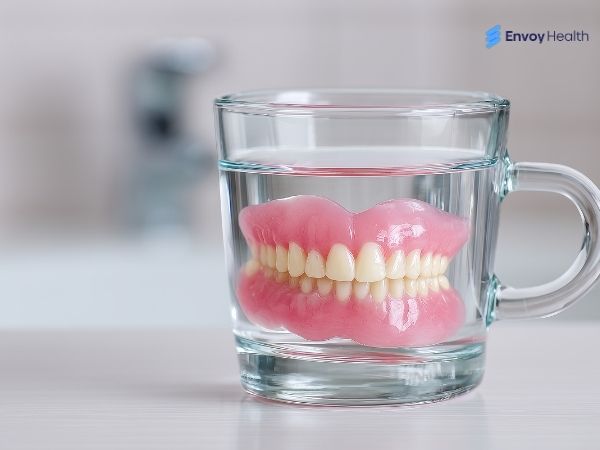
- Removing dentures overnight: Remove dentures overnight and soak them in a cleaning solution. While this removes microbes, the gums tissues rest during this denture-free period, allowing proper healing.
- Maintaining better oral hygiene: Keep your mouth clean and free of trapped food particles after meals. Use an antimicrobial mouthwash to prevent the formation of plaque and thrush.
- Saltwater rinse: Rinse your oral cavity with saltwater (one teaspoon of table salt in one glass of water). This will soothe inflammation and reduce tissue swelling.
- Quit smoking and tobacco: Avoid habits like smoking as it negatively impacts oral health and prolongs any kind of healing, slowing down the recovery process.
How Long Does Denture Stomatitis Last?
Denture stomatitis typically lasts about two weeks, depending on the severity of the infection and the treatment used. Generally, antifungal medication during the early stages of C. albicans infection, along with proper oral hygiene, is most effective. You will see the inflamed gums getting better in a few days. You can also expect a faster recovery with laser therapy.
Can You Prevent Stomatitis Due to Dentures?
Yes, denture stomatitis can be prevented by maintaining better oral hygiene.
- Clean dentures regularly with a soft-bristled toothbrush and non-abrasive toothpaste. Avoid using overly aggressive or abrasive brushes, as they can damage the denture material.
- Remove dentures overnight and leave the gums free (around 6-8 hours) for the tissues to breathe and recover. During this time, soak them in the cleansing solution to remove plaque and effective disinfection.
- Brush your teeth daily and clean your tongue and the roof of your mouth with a soft-bristled toothbrush to remove plaque and prevent microbial buildup.
- Don’t ignore follow-up visits with your dentist. This is to regularly check the denture fit, identify any pressure points, and irritation sites on the gums.
Final Word!
Stomatitis from dentures is a common yet manageable condition when identified early and treated appropriately. Paying attention to early symptoms, maintaining proper denture hygiene, and ensuring a good denture fit can significantly reduce the risk of inflammation and discomfort. With timely dental care and preventive measures, you can avoid recurring irritation and maintain long-term oral health and comfort.
Take the next step toward comfortable, reliable dentures. Sign up with Envoy Health to access trusted dental specialists and personalized support for denture-related problems. From better-fitting dentures to expert-led treatment options, Envoy Health helps you make informed decisions for long-term oral comfort.
References
Ready to compare Dental Work options?
Get clinic options, pricing guidance, and recovery expectations from Envoy Health before taking the next step.
Disclaimer
The information in this article is for educational purposes only and does not replace medical advice. Always consult your doctor before starting any treatments.
Published by Envoy Health. Reviewed for patient-safety framing by Envoy Health Medical Content Review. See our editorial, AI-assistance, and medical review policy.
To request a correction, email contact@envoyhealth.io with the page URL and supporting source.
Compare reviewed clinics, pricing guidance, and recovery expectations before you commit.
Many dentists recommend antifungal medications such as nystatin and miconazole. These antifungal medications are available as topical gels, suspensions, and lozenges and are used to treat thrush on dentures. Additionally, depending on the severity of thrush, they recommend diluted sodium hypochlorite and chlorhexidine rinses for treating thrush on dentures. Soaking dentures in these cleaning solutions reduces microbial load and improves hygiene.
You will need anti-fungal medications (available as lozenges, gels, and suspensions) to treat the denture-induced stomatitis. Additionally, disinfection with chlorhexidine and diluted sodium hypochlorite is more effective.
Denture stomatitis is typically not dangerous. It will resolve within two weeks if you improve your oral hygiene and adopt an appropriate treatment plan. Generally, laser therapy and anti-fungal medications are prescribed based on the severity of the issue.
So, we partner with the premier healthcare facilities!









Send me the list