Ozempic vs. Bariatric Surgery: Which Actually Works Better for Long-Term Weight Loss?


Compare Medical Work options before you commit
Get clinic options, pricing guidance, and recovery expectations from Envoy Health before taking the next step.
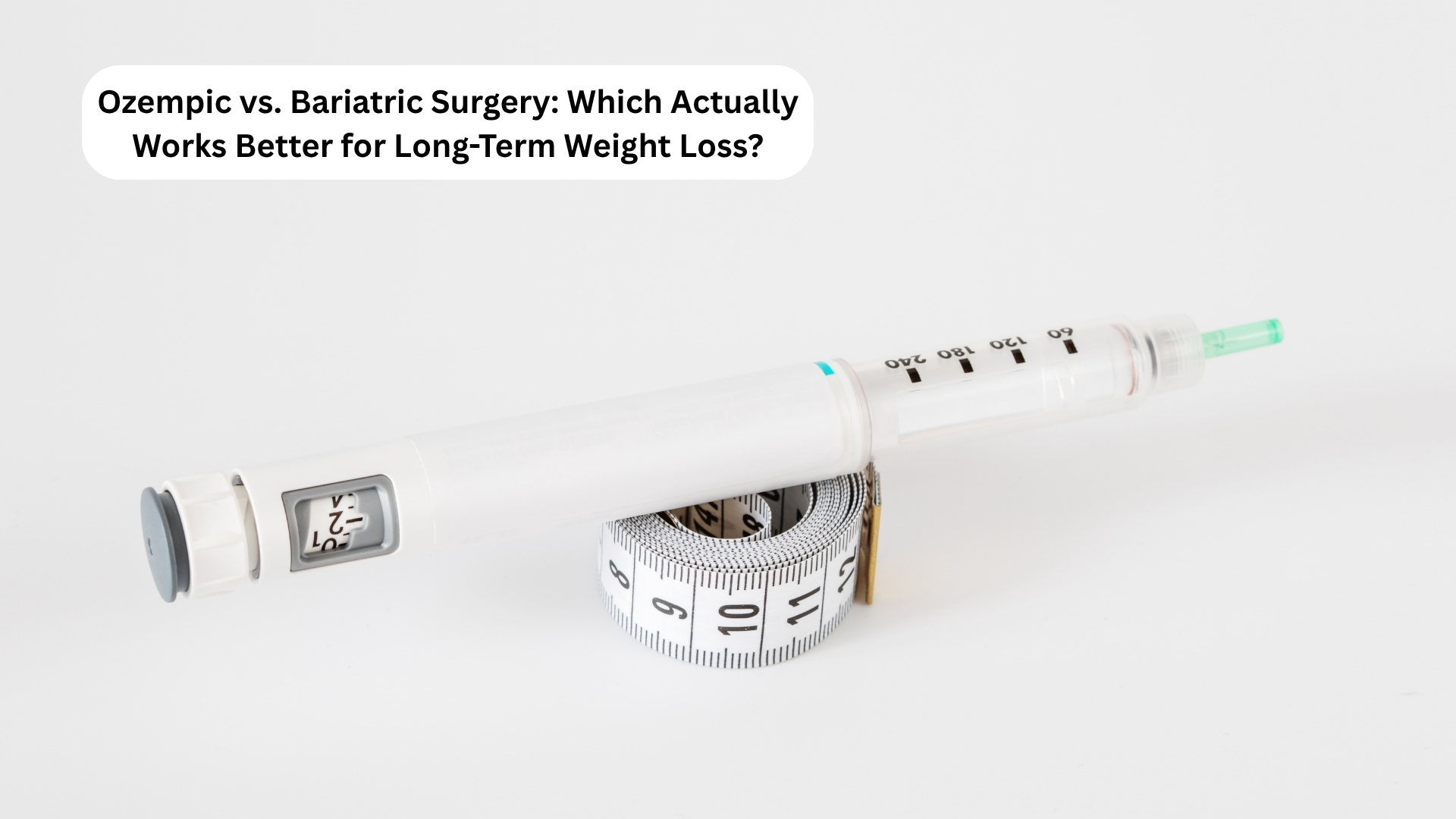
Key Takeaways
- GLP-1 drugs work through appetite suppression and only last as long as you keep taking them.
- Bariatric surgery physically changes digestion, resulting in greater and more permanent weight loss.
- Stopping semaglutide often leads to regaining most of the weight within a year.
- Surgery has a stronger track record for putting type 2 diabetes into remission.
- Ongoing GLP-1 costs can exceed the one-time cost of surgery over several years.
- The right choice depends on your BMI, health conditions, and tolerance for long-term medication.
Still comparing Medical Work options?
Envoy can help you compare reviewed clinics, pricing guidance, and recovery expectations before you make a decision.
You've watched the ads and heard friends talk about dropping pounds on Ozempic. And somewhere in the back of your mind, you're wondering if surgery even makes sense anymore when a weekly injection promises the same result without a hospital stay.
Now here's the problem: every source online seems to say something different. One article swears by GLP-1 drugs, while another insists surgery is the only path that lasts. In the meantime, you're stuck weighing a monthly prescription cost against a bigger upfront number, without knowing which one actually pays off over time.
That confusion is exactly what keeps people stuck, cycling through options instead of making a decision that fits their body and their budget. This article breaks down how GLP-1 drugs and bariatric surgery actually compare.
1. How GLP-1 Drugs Work in Your Body
GLP-1 drugs like Ozempic and Wegovy copy a hormone your gut already makes after eating. That hormone slows digestion and quiets hunger signals in your brain.
For many people, that's enough to eat less without constant battles with willpower. But the effect only lasts as long as the drug is in your system.
Nothing about your stomach or intestines changes physically. Bariatric surgery works differently. It alters the structure of your digestive system, which means the results don't depend on ongoing treatment to stick around.
2. Comparing Real Weight Loss Results
Numbers tell a clearer story here. Clinical trials on semaglutide show average weight loss of about 15% of body weight after about 68 weeks of continuous use.
Bariatric surgery tends to produce more. Gastric bypass and sleeve gastrectomy patients often lose 25% to 35% of their total body weight within the first year alone.
NIH-funded research through NIDDK has spent years comparing surgical approaches across different obesity levels, and surgery consistently comes out ahead for people with more severe weight to lose. GLP-1 drugs still matter, especially for those who aren't surgical candidates, but the scale of change tends to favor surgery.
3. What Happens When You Stop Treatment
This is the part most ads leave out. Studies tracking patients after they stop semaglutide show meaningful weight regain within a year, often bringing back two-thirds of what they lost.
Surgery doesn't reverse itself the same way. Once a bypass or sleeve procedure is done, the anatomical change stays in place for good.
That's why long-term outcome studies on bariatric surgery show stronger weight maintenance at 5 and 10 years. If lasting results matter more to you than convenience, this difference alone should shape your decision.
4. Health Benefits That Go Beyond Weight
Weight isn't the only number worth tracking. Bariatric surgery has a strong track record of putting type 2 diabetes into remission, sometimes within days, before major weight loss has even happened.
That quick shift comes from hormonal changes triggered by the surgery itself, not just calorie reduction. GLP-1 drugs also improve blood sugar control, which explains why they were first developed for diabetes treatment.
Still, remission rates and the speed of metabolic improvement tend to lean toward surgery, particularly for people with more advanced insulin resistance.
5. What Each Option Actually Costs Over Time
A month of Wegovy or Ozempic without insurance runs several hundred dollars. Since most patients need to stay on it indefinitely to maintain results, the cost adds up quickly over the years.
Surgery flips the math. The upfront price is higher, but it's a one-time expense rather than a recurring one.
This is where medical tourism changes things. Accredited clinics in Mexico or Turkey often perform bariatric procedures at a fraction of US or Canadian pricing, which means the total lifetime cost can end up lower than years of continuous medication, travel included.
6. Who Should Actually Consider Which Path
Candidacy matters more than personal preference. Surgery is typically recommended for a BMI over 40, or over 35 alongside conditions like diabetes or high blood pressure.
GLP-1 drugs work well as a starting point for people with lower BMIs or those not ready to commit to surgery yet. Some patients even use them as a bridge, losing weight beforehand to qualify for surgery or reduce surgical risk.
These paths aren't always separate roads. Sometimes the smartest plan uses both, in sequence, based on where you're starting from.
Conclusion
There's no single right answer here, and anyone claiming otherwise is skipping the nuance. What matters is being honest about your health profile, your comfort with ongoing medication costs, and how much a permanent change is worth to you compared to a reversible one.
Talk to a physician who can evaluate your specific case rather than a general comparison chart. And if surgery ends up on the table, understanding your options across borders can change what's realistic for your health and your wallet.
If that path feels overwhelming to navigate on your own, consider hiring a professional health concierge agency like Envoy Health. A dedicated case manager can vet clinics, coordinate travel, and walk you through the process, so you're making an informed decision instead of guessing your way through it.
Ready to compare Medical Work options?
Get clinic options, pricing guidance, and recovery expectations from Envoy Health before taking the next step.
Disclaimer
The information in this article is for educational purposes only and does not replace medical advice. Always consult your doctor before starting any treatments.
Published by Envoy Health. Reviewed for patient-safety framing by Envoy Health Medical Content Review. See our editorial, AI-assistance, and medical review policy.
To request a correction, email contact@envoyhealth.io with the page URL and supporting source.
Compare reviewed clinics, pricing guidance, and recovery expectations before you commit.
Send me the list