Is Surgery for Removal of Ovarian Cysts Necessary? Signs, Options, and Next Steps


Compare Medical Work options before you commit
Get clinic options, pricing guidance, and recovery expectations from Envoy Health before taking the next step.
Still comparing Medical Work options?
Envoy can help you compare reviewed clinics, pricing guidance, and recovery expectations before you make a decision.
Discovering an ovarian cyst can leave you with more questions than answers.
Is it dangerous?
Will it disappear on its own?
Could you need surgery, and what would recovery look like?
These concerns can become even more stressful when you are balancing medical advice, treatment costs, and everyday responsibilities. However, an ovarian cyst does not automatically mean you need an operation. Many cysts are harmless and resolve naturally, while others require closer monitoring or medical treatment.
Understanding the difference can help you approach your next appointment with greater confidence. Moreover, knowing which treatment options exist allows you to make informed decisions alongside your gynecologist. If surgery becomes necessary, learning about the procedure, recovery, and available care options can help you prepare.
This article explains when surgery for removal of ovarian cysts may be necessary, which treatment options doctors consider, and what steps you can take next.
1. Understanding Ovarian Cysts and When They Become a Concern
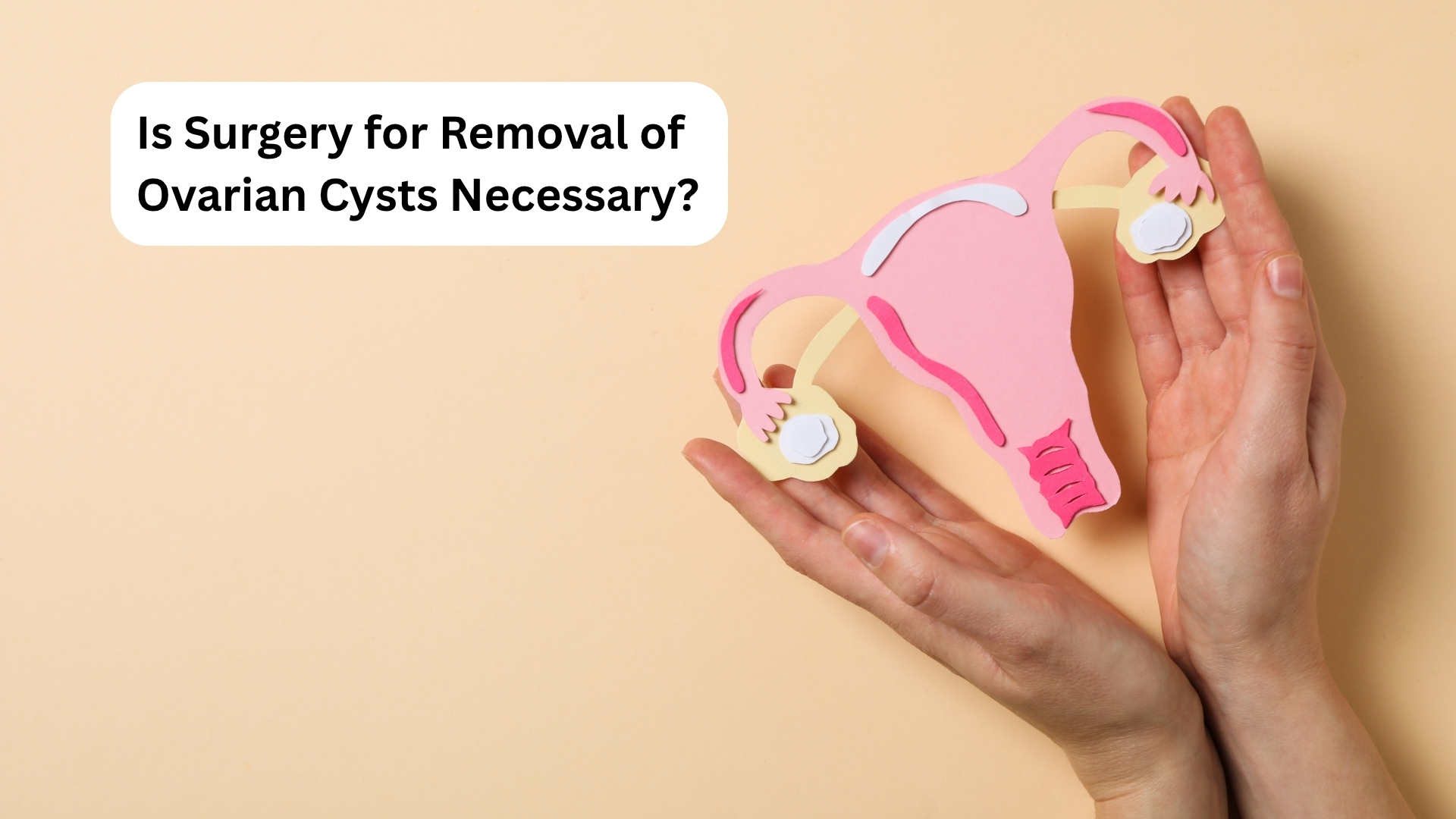
Ovarian cysts are fluid-filled sacs that develop on or inside an ovary. They are common during the reproductive years and often form as part of the menstrual cycle. Functional cysts, for example, frequently disappear without treatment within a few menstrual cycles.
However, not every cyst behaves the same way. Some grow larger, persist over time, or develop characteristics that require further investigation. Your doctor may recommend an ultrasound and, depending on your circumstances, additional tests to understand the cyst's size, appearance, and possible cause.
Importantly, the presence of a cyst alone does not determine whether surgery is necessary. Your age, symptoms, medical history, and menopausal status all influence the decision. Therefore, a gynecologist should assess your individual situation before recommending a treatment plan.
If you're considering ovarian cyst removal surgery abroad, consider consulting a professional health concierge like Envoy Health to explore suitable providers, compare treatment costs, and understand your options so you can make informed decisions that fit your medical needs and budget.
2. Signs That May Indicate a Need for Surgery
Although many ovarian cysts cause no noticeable symptoms, larger cysts or those associated with complications may produce persistent discomfort. Recognizing changes in your body can help you seek appropriate medical advice.
Common symptoms include pelvic pain, abdominal pressure, bloating, discomfort during intercourse, and changes in urination. Some people also experience menstrual irregularities. Nevertheless, these symptoms can have several causes, so they do not automatically indicate that an ovarian cyst requires removal.
Certain warning signs demand urgent medical attention. Sudden, severe pelvic pain, particularly when accompanied by fever, vomiting, dizziness, or fainting, may indicate ovarian torsion or a ruptured cyst with complications. Seek emergency care rather than waiting for a routine appointment.
If symptoms persist or worsen, arrange a medical evaluation. Your doctor can determine whether observation, further testing, or surgery is appropriate.
3. When Doctors Recommend Ovarian Cyst Removal Surgery
Doctors generally consider several factors before recommending an ovarian cyst surgery procedure. These include the cyst's size, its appearance on imaging, whether it continues growing, and whether it causes persistent symptoms.
For instance, a cyst that remains present over several menstrual cycles may require additional investigation. Similarly, a complex cyst or one with suspicious ultrasound features may need specialist assessment to determine the appropriate next step. Cysts associated with complications, such as ovarian torsion, can require urgent surgery.
Age and menopausal status also matter because the likelihood of different cyst types and the level of concern can vary. In some cases, doctors recommend surgery to establish a diagnosis when imaging cannot provide sufficient clarity.
Ultimately, the decision balances potential risks against the benefits of treatment. Ask your gynecologist why surgery is being considered and whether monitoring or another approach remains reasonable.
4. Exploring Treatment Options Before Making a Decision
Ovarian cyst treatment depends on the diagnosis rather than a single standard approach. Fortunately, surgery is not the only option available.
Watchful waiting may be appropriate for small, simple cysts that are likely to resolve naturally. Your doctor may recommend follow-up ultrasounds to monitor changes over time. This approach avoids unnecessary intervention while ensuring that the cyst receives appropriate attention.
Medication may help manage certain symptoms, although it does not reliably eliminate an existing ovarian cyst. Hormonal contraceptives may sometimes be prescribed to prevent future functional cysts, depending on individual circumstances.
When surgery is necessary, a cystectomy removes the cyst while preserving the ovary whenever medically feasible. In other situations, removing an ovary may be necessary because of the cyst's characteristics or other clinical concerns.
Discuss the benefits, limitations, and risks of each suitable option with your specialist before proceeding.
5. What to Expect From the Ovarian Cyst Surgery Procedure
When surgery is recommended, understanding the process can make the experience feel more manageable. The appropriate technique depends on the cyst's size, appearance, suspected cause, and your overall health.
Laparoscopy, commonly called keyhole surgery, uses small incisions and a camera to guide the surgeon. When appropriate, it generally involves less postoperative discomfort and a shorter recovery than open surgery. However, it is not suitable for every case.
Laparotomy, or open surgery, involves a larger abdominal incision. Doctors may recommend it for particularly large or suspicious masses or when the circumstances require a different surgical approach.
Before the procedure, your medical team will explain the preparation requirements, anesthesia, expected recovery, and potential complications. Recovery varies, but many patients return to routine activities within a few weeks after uncomplicated laparoscopic surgery, while open surgery generally requires longer.
Follow your surgeon's instructions and attend all recommended follow-up appointments.
6. Considering Ovarian Cyst Removal Surgery Abroad
If surgery is recommended, treatment costs or limited local options may lead you to explore international care. However, ovarian cyst removal surgery abroad requires careful planning, particularly when comparing providers in different countries.
Start by confirming that the hospital and surgeon have the appropriate qualifications and experience in gynecological surgery. Request a detailed treatment estimate that explains what is included, such as surgeon fees, hospital charges, anesthesia, diagnostic tests, and follow-up care.
Next, ask how your medical records will be reviewed, whether an in-person assessment is required, and what happens if your treatment plan changes after arrival. Travel arrangements should also account for recovery time and medical clearance before flying.
If you are considering Envoy Health, confirm whether ovarian cyst surgery is among its supported treatments and whether suitable providers are available. International treatment should offer a clinically appropriate option, not simply a lower price.
Making an Informed Decision About Ovarian Cyst Surgery
An ovarian cyst diagnosis does not automatically mean you need surgery. In many cases, monitoring is sufficient; in others, persistent symptoms, concerning imaging findings, or complications make further intervention necessary.
Your next step is to discuss your test results, symptoms, and treatment options with a qualified gynecologist. Ask whether the cyst can be monitored, what the proposed procedure involves, and how treatment may affect your recovery and future fertility.
If surgery is recommended, compare your options carefully, including the qualifications of your surgical team, the total cost of treatment, and access to follow-up care. For patients exploring ovarian cyst removal surgery abroad, these considerations are just as important as affordability.
Above all, make your decision based on your individual medical needs and a clear understanding of the available options. With appropriate medical guidance and careful planning, you can take the next step toward managing your health with greater confidence.
Ready to compare Medical Work options?
Get clinic options, pricing guidance, and recovery expectations from Envoy Health before taking the next step.
Disclaimer
The information in this article is for educational purposes only and does not replace medical advice. Always consult your doctor before starting any treatments.
Published by Envoy Health. Reviewed for patient-safety framing by Envoy Health Medical Content Review. See our editorial, AI-assistance, and medical review policy.
To request a correction, email contact@envoyhealth.io with the page URL and supporting source.
Compare reviewed clinics, pricing guidance, and recovery expectations before you commit.
Send me the list