Can Iron Deficiency Cause Hair Thinning? Causes, Symptoms, And Fixes

Compare hair transplant clinics before you commit
Get clinic options, pricing guidance, and recovery expectations from Envoy Health before taking the next step.

Table of contents
- Iron Deficiency and Hair Loss
- How Does Iron Deficiency Cause Hair Loss?
- Common Signs You Should Not Miss
- Who Is at Risk?
- Is Hair Loss from Iron Deficiency Reversible?
- Do Common Hair Loss Treatments Work?
- What to Expect During Hair Regrowth?
- Natural Ways for Hair Regrowth
- Preventing Hair Loss from Low Iron Levels
Key Takeaways
- Iron deficiency-associated hair loss is reversible with prompt attention and the right approach. Malnutrition, restricted diet, and gut nutrient absorption problems are common underlying factors in iron deficiency.
- It can occur irrespective of age group, gender, and lifestyle. Women in the reproductive age group, those who smoke, and young, picky-eating children are at risk of developing iron-deficiency-related hair loss.
- An iron-rich diet, iron supplements, and iron injections are recommended to treat hair thinning caused by iron deficiency. Medical supervision is necessary to treat chronic gut absorption issues.
Still worried about pain or recovery?
Most discomfort depends on technique, graft count, anesthesia, and aftercare. Envoy can help you compare clinics that explain the pain-management plan up front.
Iron Deficiency And Hair Loss
Hair thinning can be annoying. While hair loss affects all age groups, the pattern baldness as you age is quite normal. But do you believe that some causes are really simple and reversible? One among them is iron deficiency! A common nutrient deficiency whose effects are more widespread than you might realize.
While iron is a vital mineral necessary for the proper functioning of the body, its deficiency is a condition where your body lacks the required levels of iron. And the effects? It results in lowered hemoglobin levels, affecting oxygen transport to all cells and tissues. So you feel tired and weak as the cells cannot produce energy efficiently.[1] But how does this affect hair? We have discussed this in the following section.
How Do Iron Deficiency Cause Hair Loss?
Iron is the central component of haemoglobin, an important protein found in red blood cells. The haemoglobin carries oxygen to all cells and tissues of the body. Insufficient iron levels cause a lowered haemoglobin in the blood that affects the body’s oxygen supply. So when body cells fail to function properly due to iron deficiency, hair cells are affected as well. Plus, the body de-prioritises non-vital functions, such as hair growth in deficit conditions, to support vital organ functions. As a result, you will notice increased hair shedding and decreased hair growth.
Hair growth typically happens in different stages:[2]
- Anagen: The active growth phase, where cells actively divide within the root, contributing to hair growth.
- Catagen: The temporary transition phase, where the follicles shrink, slowing down the growth for a certain period.
- Telogen: The period where hair follicles cease growth, entering a longer resting phase.
- Exogen: This is the actual shedding of a hair strand, marking the transition to the new anagen phase.
Under balanced health conditions, the anagen and telogen phases synchronize, maintaining healthy hair fall and regrowth. Each hair follicle follows its own hair growth timeline. However, lower iron levels push follicles into a temporary resting (telogen) phase. Which means hair falls out at a normal rate, but regrowth slows down for a while. The end result? Hair thinning, balding crown, and widening of the part.
While hair loss occurs for various reasons, determining whether it's due to iron deficiency can be tough. Iron-deficiency-associated hair loss follows a pattern similar to male or female pattern hair loss. Increased telogen shedding and slowed hair regrowth. However, the body shows certain signs that you cannot miss. We will detail some common signs to look for in the upcoming section.
Signs Your Hair Loss Is Due To Iron Deficiency
Your hair loss could be due to an iron deficiency when you notice increased shedding, with more hair in the brush, on pillows, in the shower drain, and on the towel. The pony feels much lighter, and the scalp feels thinner. Your hair loses its natural luster, and the iron deficiency hair texture seems drier and more brittle than usual. In addition, your body shows the following signs:
- Extreme fatigue and tiredness for simple daily life tasks
- Fast heartbeat, shortness of breath
- Pale skin, brittle nails
- Trouble exercising
- Lightheadedness, dizziness
- Restlessness in the legs
- Mild headaches and brain fogging, with difficulty concentrating
These symptoms can show up when your iron levels are low. If you notice any of them, it’s best to consult your doctor.
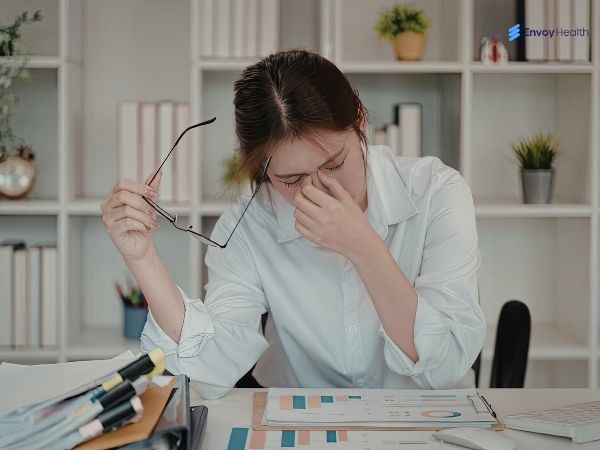
Can Iron Deficiency Cause Hair Loss Irrespective Of Gender, Age, And Lifestyle?
Hair loss due to iron deficiency can affect anyone, regardless of age, gender, or lifestyle. Since iron is an essential mineral for normal body function, the body tends to respond similarly when levels are low. But a certain age group, or specific gender, is at an increased risk of suffering from the condition. Generally, women and candidates on heavy exercise and a restricted diet are at a greater risk of developing iron deficiency and subsequent hair loss.[3] Below, we have provided a brief overview by answering the common questions most patients ask us.
Can Iron Deficiency Cause Hair Loss In Men?
Yes, iron deficiency causes hair loss in men by accelerating hair shedding and slowing down regrowth. However, this is quite different from that of male pattern baldness. It follows a diffused style, spread all over the scalp. This is quite different from male pattern baldness, which often comes with a receding hairline.
While some men experience hair loss due to iron deficiency, this occurrence is quite rare. The underlying iron deficiency can result from serious medical conditions associated with chronic blood loss or reduced absorption due to gastrointestinal problems. These issues require immediate medical attention and should not be neglected.
Can Iron Deficiency Cause Hair Loss In Women?
Yes, iron deficiency can cause hair loss in women, especially during their childbearing years. Many women in the reproductive age group may develop low iron levels due to menstrual blood loss and increased iron needs during pregnancy. In fact, they are at a higher risk compared to men.
Can Iron Deficiency Cause Hair Loss In Children?
Children can also suffer from hair loss due to iron deficiency. This can occur mainly due to poor dietary habits or during rapid growth spurts, when the body's iron demand isn’t fully met. Generally, children in their growing years require a steady intake of vitamins and minerals. But some may develop an iron deficiency due to busy schedules or picky eating. Some, especially adolescents or girls (in puberty), are more vulnerable due to growth spurts and some major changes in the body’s iron requirements.
Can Iron Deficiency Cause Hair Loss In Toddlers?
Toddlers may also experience hair loss due to iron deficiency, though it's less common than in older children. Toddlers in their growing years experience major growth spurts, and low iron levels affect overall development. Early weaning from breast milk and fortified milk, and too much reliance on cow’s milk, and transitioning to solids do not allow their bodies to get enough iron. The end outcome includes growth issues, irritability, fussiness, pale skin, increased hair shedding, and thin and brittle hair.
Hair Loss Due To Iron Deficiency, Will It Grow Back? Understanding Its Permanence
Hair loss due to iron deficiency is generally not permanent. The hair follicles aren’t destroyed but are pushed forcefully into a temporary dormant stage. Hair growth typically occurs between 3 and 6 months after iron levels return to the normal range. Note that simply supplementing the body with iron does not solve the issue in all cases. Iron deficiency due to chronic health conditions requires medical professional supervision. Mere ignoring can lead to persistent hair thinning and other medical complications.
Do Routine Hair Loss Treatments Work For Hair Loss Due To Iron Deficiency?
Routine treatments may not be effective if the underlying cause of hair thinning is iron deficiency. Many popular hair loss treatments aim to improve scalp health and stimulate hair follicles. These in no way address the low iron levels, so regular hair loss treatments such as minoxidil, finasteride, PRP, and exosome therapies do not deliver the expected outcomes. Note that hair transplant surgeries are not ideal, because hair loss due to iron deficiency is more diffuse across the scalp. The key is to address iron deficiency by improving diet, taking supplements, and identifying any underlying causes that affect iron absorption.
How Will Hair Grow Back After Iron Deficiency?
Your hair will grow back within 3-6 months after you start addressing the underlying anemia. Providing the body with the required iron levels works slight different from how cosmetic treatments work. These fix the low iron levels and allow your hair to grow naturally. The general treatment methods include:
- Oral supplements: Doctors perform blood tests to check ferritin levels and prescribe daily iron doses to reverse the condition. Some also recommend vitamin C supplements to enhance iron absorption. Some of the best iron tablets for hair growth supply the body with adequate iron levels, allowing hair follicles to receive the required oxygen and gradually reverse hair fall. Note that adhering to the doctor's advice is crucial to avoid over dosages. While low iron or anemia has negative effects, excess iron can also cause health issues.
- Iron injections: Intravenous iron doses and injections are generally recommended for candidates with severe anemia or impaired iron absorption. Intravenous iron avoids the oral route, so its effects are quick, especially for candidates who are severely anemic.
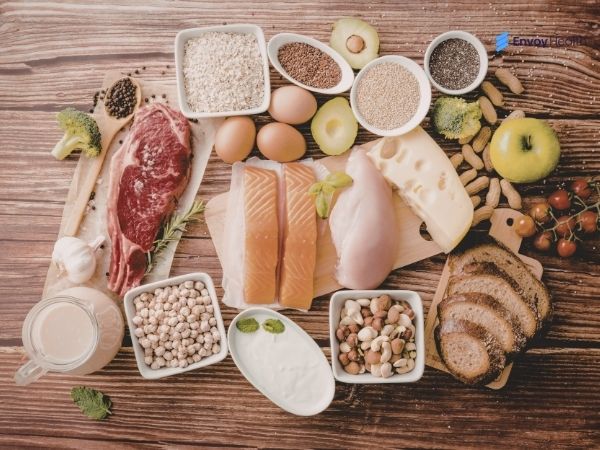
- Dietary changes: Doctors also recommend including iron-rich foods such as liver, red meat, seafood, and poultry. Among vegan foods, consider spinach, kale, beans, chickpeas, tofu, and pumpkin seeds. Pairing them with vitamin C also works for iron absorption. In addition, prioritizing nutrient-dense, protein-rich foods supports follicle strength and regrowth.
How Long Iron Tablets Take To Stop Hair Loss?
Once you start the right supplementation, your hair fall stops within 2-4 weeks. But regrowth can take 3-6 months, where the dormant follicles transition into the active growth phase. Note that overdosage of iron pills does not guarantee quick growth. It can only lead to digestive issues and potential damage to vital organs.
How To Naturally Regrow Hair After Iron Deficiency?
In many cases, hair loss due to iron deficiency can be dealt with through consistent habits.
- Focus on iron-rich foods such as red meat, lentils, leafy greens, and beans.
- Pair foods that enhance active iron absorption. Consider citrus fruits, amla, and tomatoes, which are rich in vitamin C, to improve iron absorption.
- Avoid pairing caffeine or calcium-rich foods with meals. These slow down iron absorption.
- Rely on a balanced diet by including a variety of foods rich in proteins, essential nutrients, and vitamins.
- Manage stress by adopting a healthy lifestyle and healthy sleep patterns.
- Keep your hair and scalp clean and free from infection. But make sure that you are gentle with your hair.
- Avoid harsh chemical formulations, tight hairstyles, and heat styling. Use protection gels that act as a barrier, preserving the follicle's natural atmosphere.
How To Prevent Hair Thinning Due To Iron Deficiency?
You can prevent hair thinning caused by iron deficiency by following the measures below.
- Don’t be a picky eater or avoid certain food groups completely. Eat a well-balanced diet.
- Don’t skip meals and avoid a restrictive diet without proper nutritional planning.
- Regularly monitor your iron levels.
- Address heavy menstrual cycles and any other underlying health issues before things slip out of hand.
- Watch for early signs of anemia, such as fatigue, pale skin, and increased hair shedding.
Final Word!
Iron deficiency is a common yet often overlooked cause of hair thinning, but the good news is that it’s usually reversible. Paying attention to early signs, maintaining a balanced diet, and addressing underlying causes can make a significant difference. While routine hair care supports overall hair health, lasting results come from correcting the root issue. With the right approach and a bit of patience, healthy hair growth can be restored over time.
Dealing with ongoing hair loss can be frustrating, especially when the cause isn’t always clear. Getting the right guidance at the right time can make a real difference. With Envoy Health, you can access trusted support, personalized care options, and expert insights tailored to your needs. Sign up with Envoy Health today and take a more informed step toward healthier hair.
References
Ready to compare hair transplant options?
Get clinic options, pricing guidance, and recovery expectations from Envoy Health before taking the next step.
Disclaimer
The information in this article is for educational purposes only and does not replace medical advice. Always consult your doctor before starting any treatments.
Published by Envoy Health. Reviewed for patient-safety framing by Envoy Health Medical Content Review. See our editorial, AI-assistance, and medical review policy.
To request a correction, email contact@envoyhealth.io with the page URL and supporting source.
Compare reviewed clinics, pricing guidance, and recovery expectations before you commit.
When iron levels are low, hair follicles lack an adequate oxygen supply and enter a dormant phase. So the hair gets thinner and more brittle as shedding increases. Regrowth ceases for a while, so your scalp appears less dense with a noticeable widened part. For men, it appears as diffuse hair loss over the entire scalp, and for women, the pony gets lighter and thinner.
Regrowth of thinning hair depends on the underlying contributing factors. For instance, hair loss due to iron or vitamin deficiency can regrow in a few months by providing the body with adequate nutrients. This also applies to factors such as stress and pregnancy, where the follicles are still viable but have entered a temporary inactive phase. However, if it's due to pattern baldness, regrowth is slightly slower and requires long-term treatment (depending on the intensity of hair loss).
Hair growth requires certain vitamins, such as vitamin B7 (Biotin), vitamin D, vitamin C, vitamin A, and vitamin E. Lack of them can lead to hair fall. These vitamins play a significant role in scalp health and sebum production, and they protect the scalp against oxidative stress. Relying on a balanced diet, periodic checks for vitamin deficiencies, and appropriate supplements can help prevent hair loss caused by vitamin deficiencies.
So, we partner with the premier healthcare facilities!


Send me the list