How Much False Teeth Cost, and What Should You Budget For?


Compare Dental Work options before you commit
Get clinic options, pricing guidance, and recovery expectations from Envoy Health before taking the next step.

Table of contents
- Missing Teeth and Dentures: Why Replacement Matters
- How Much Does False Teeth Cost?
- What Are the Probable Additional Costs?
- Factors That Influence the Cost of False Teeth Treatment
- Why Are False Teeth Expensive?
- Are More Expensive Dentures Worth It?
- Does Insurance Cover Dentures?
- How To Get Affordable Dentures?
Key Takeaways
- The cost of false teeth, also called dentures, ranges from $450 to $5,000. The exact cost varies by denture type, the number of missing teeth, and the material used.
- Additional costs for dentures vary depending on the case. These include consultation, X-rays, tooth extractions, gum therapy, and maintenance costs for cleansers, reliners, rebasing, and adjustment procedures.
- Online false teeth may seem affordable, but they can be a temporary solution since they lack professional care and a snug fit. Other cost-saving options include financing, insurance, treatment at dental schools and community health centers, membership plans, and seasonal and referral discounts at private clinics.
Still comparing Dental Work options?
Envoy can help you compare reviewed clinics, pricing guidance, and recovery expectations before you make a decision.
Missing Teeth and Dentures
According to the ADA, tooth loss is one of the most prevalent dental issues among Americans. Nearly 120 million Americans have lost at least one tooth, and 3.2 million are edentulous, having been left with no teeth.[1] Removable oral appliances, such as dentures (another name for false or fake teeth), can replace a few teeth or an entire jaw.
Dentures are custom-crafted, removable appliances that can fit your oral cavity and dental needs precisely. Dentists recommend them for both the lower and upper jaws and collect impressions of your teeth and jaws. These impressions are then sent to dental labs, where technicians use them to create detailed stone models of your mouth. These models guide the design of dentures that fit comfortably, look natural, and support proper chewing and speech.
Dentures are for candidates with moderate to severe tooth loss due to severe tooth decay, periodontal diseases, trauma, and injury. While elderly candidates most often choose dentures, the truth is they aren’t just for seniors. Anyone with significant tooth loss, regardless of age, can get them. Not just that, dentists also recommend partial dentures if you have lost a few teeth and are waiting for dental implants.
How Much Does False Teeth Cost?
False teeth in the United States cost between $450 and $5,000, with exact costs varying by type. The lower price range for partial removable dentures begins at just $450. These removable appliances are low and cover the gaps left by a few missing teeth. But if you ask us, How much does a full set of false teeth cost? The answer is, dentures cost full set, range between $1,000 and $5,000. These come for an entire jaw, and are ideal when you have lost most of your teeth in a jaw.
Generally, temporary dentures seem more affordable than permanent dentures. The full dentures are meant to restore the function of an entire jaw. They rest on the completely edentulous jaw. On the other hand, partial dentures feature a custom-made framework that fits alongside your natural teeth. While the price range is broader, various factors influence the cost of false teeth. Below we tabulated the prices for different types of false teeth.
Denture cost by type
|
Denture type |
Cost without insurance |
|
Full dentures (Traditional, removable) |
$1,500-$5,000 |
|
Full immediate temporary dentures |
$2,000-$3,500 |
|
Implant-supported full dentures (permanent) |
$10,000-$15,000 |
|
Implant-supported full snap-on dentures (temporary) |
$2,000-$4,500 |
|
Partial dentures (flexible, nylon) |
$1,300-$3,000 |
|
Partial metal dentures |
$1,800-$4,000 |
|
Partial resin-based dentures |
$1,500-$3,500 |
#Price ranges vary slightly based on the case
What Are the Probable Additional Costs for Denture Treatment?
The additional costs associated with denture treatment include pre-treatment tests and supplies for ongoing maintenance.
Pre-Treatment Procedures
All the procedures that you should plan before denture treatment fall under this category. It includes charges for consultations, diagnostic tests, tooth extraction, gum therapies, and anesthesia.
- Examination: Before treatment, your dentist will check your entire oral cavity, the gums, missing teeth, and jaws. They will also look for the visual signs of canker sores and cancer. This is mandatory and will help them assess your jawbone condition and gum health. Dental examination costs between $75 and $350 in the United States.
- Dental X-rays: Dental X-rays are a better way to understand the internal health of the jawbone and gum tissues. Panoramic X-rays capture a wide-angle image of all teeth and jaws, while perapical or bitewing X-rays are for smaller areas and specific tooth structures. On the other hand, a 3D CBCT X-ray is used to provide a detailed view of the teeth, bones, nerves, and sinuses. Coming to the costs, a bitewing X-ray costs the lowest at around $50, while a panoramic X-ray costs $100-$250. The CBCT relies on sophisticated technology and costs the highest at around $500-$750.
- Tooth extraction: Removal of damaged, decayed, or misaligned teeth before denture treatment is a common step performed by dentists. This reduces complications such as gum disease and infections, and ensures longevity and a proper fit for dentures. Note that tooth extraction can be simple (using forceps) or surgical (involving incisions). Simple tooth extraction costs around $150, and surgical tooth extraction costs $300 in the United States.
- Gum therapies: Gum therapies are for candidates who experience gum inflammation, recession, or infection. Dentists perform deep cleaning and scaling to remove plaque and tartar and clean the gums below the gumline. While some perform deep cleanings, others prefer laser methods, with costs varying accordingly. The basic cleaning costs the least at $100, while the premium laser methods can cost up to $3,000. Note that gum therapy costs vary, e.g., per tooth, quadrant, or full mouth. It's important that you gain clarity on what is being quoted for before planning the treatment.
- Anesthesia: Denture treatment sometimes requires anesthesia, especially when you need gum repair or surgical tooth extraction. Dentists usually prefer local anesthesia, which costs between $50 and $200. However, sedation or laughing gas is recommended for candidates with dental anxiety. This costs between $200 and $800 per session.
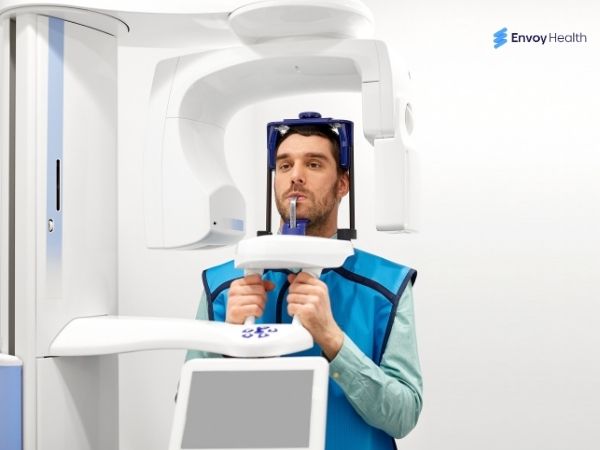
We mentioned the costs in a table below. Note that not every candidate planning denture treatment will require the pre-treatment procedures. The type of pre-denture treatment varies with the candidate's oral health and the dentist's preference.
Pre-denture treatment procedure costs
|
Treatment |
Starting Cost in the United States |
|
Oral examination |
$75 |
|
Bitewing X-ray |
$50 |
|
Panoramic X-ray |
$100 |
|
CBCT |
$500 |
|
Simple tooth extraction |
$150 |
|
Surgical tooth extraction |
$300 |
|
Deep gum cleaning |
$100 |
|
Laser gum cleaning |
$3,000 |
|
Local anesthesia |
$50 |
|
Laughing gas |
$200 |
#Prices may vary based on the case
Denture Maintenance Procedures
Not every medical procedure strictly ends with the treatment budget. Investing in the right maintenance ensures longevity. Below are some denture maintenance costs you should plan for:
- Denture cleansers: These are the specialized tablets or pastes used to remove food debris from dentures. These cost between $3 and $10 per packet. You may use manual cleaning methods or ultrasonic cleansing devices for cleaning purposes. While some feel using denture cleanser is an extra cost, the fact is that it increases denture longevity. Besides, it reduces your need to invest in costly professional cleaning services.
- Denture reliners: Jawbone loss can loosen dentures over time, leading to slippage or gum sores. Reliners made from acrylics or silicone are used to resurface the underside of dentures to provide a snug fit. Investing in reliners offers dual benefits: extending the lifespan of current dentures and reducing replacement costs. However, the reliner costs vary by type: hard (durable) or soft (temporary). Soft reliners are temporary and cost around $200, while hard reliners cost an average of $500.
- Denture adjustments: Jawbone and gum shape changes over time and causing a poor fit. Poorly fitting dentures may develop cracks and breaks due to uneven pressure. Dentists make certain adjustments by trimming or rebasing them. While trimming involves making minor changes, rebasing involves changing the entire denture base. While minor fixes cost less, rebasing can be costly, averaging $100 to $500. Regular and timely denture adjustment procedures reduce the overall maintenance costs. Not just that, it also increases the longevity of dentures and reduces the chances of other oral health issues.
Factors That Influence the Cost of False Teeth Treatment
Denture costs vary based on the following factors:
- Denture types based on material: False teeth have two components: the teeth lying on the base. Typically, acrylic resins, composite resin, and porcelain are used materials to craft teeth. On the other hand, the denture base or framework is composed of materials such as acrylic, flexible nylon-based resins, and cobalt-chromium framework. The comfort and longevity of dentures vary depending on the materials used. Dentures with an acrylic base and standard acrylic resin are more affordable. Those made from flexible resins and high-impact acrylics offer better comfort and natural aesthetics, but they are quite expensive. These are considered premium variants offering enhanced benefits compared to the standard variants.
- Geographic location: Denture costs vary considerably depending on the clinic or dentist’s office's location. Typically, the overhead costs, market competition, and local cost of living affect the dental costs. You can expect higher costs for denture treatment in urban areas, where the high cost of living adds to maintenance costs, including clinic rent, staff salaries, and materials. Besides, the local competition also matters. You can expect competitive prices in cities with a high dentist population. In addition, denture costs vary across countries. You can expect lower prices in popular medical tourism destinations, such as Turkey, Mexico, Thailand, and India.
- Dentists' expertise and experience: Experienced dentists deliver better results. Their ability and experience in dealing with complex conditions with ease reduce the chances of future complications. However, you should expect relatively higher prices. On the other hand, less experienced dentists charge lower prices, but their expertise and skill set may be limited to basic materials and low-quality customization.
- Additional procedures: Some candidates may require tooth extractions and gum cleaning, depending on their oral health. Getting these procedures can add up to the original denture treatment costs.
- Cost inclusions: Some dentists quote for consultation and diagnostic tests separately. However, a few of them combine these with the treatment bill, along with additional procedures and denture adjustment. These may add to the overall treatment bill, which may seem burdensome. It's crucial that you check what's included in the bill for clarity.
Are Partial Dentures Always “Affordable” Compared To Complete Dentures?
There’s an interesting point about denture cost dependence on the size. Unlike other dental appliances or prostheses, denture costs in most cases do not relate to the number of missing teeth. The general apprehension that the more missing teeth, the more the denture costs applies to basic and standard models. For denture costs, complexity is more about volume. A complex partial denture crafted with premium quality materials, an intricate framework, and custom-fit clasps demands technical expertise. The material and the engineering cost of the metal framework are relatively higher. These make the choice more expensive than complete dentures. These, on the other hand, require a simpler fabrication process and rely on a suction fit to the jaw.
Why Are False Teeth Expensive?
False teeth, also called dentures, are not much more expensive than other alternatives, such as dental implants. They can be expensive when premium materials, a customized fabrication process, and sophisticated technology are involved. The total cost includes custom measurements, lab fabrication, material quality, multiple fittings, and long-term adjustments. These are mandatory to ensure comfort, function, and durability. Each denture is individually crafted to match a patient’s bite, facial structure, and oral health needs. So the expenses relate to customization procedures.
Are More Expensive Dentures Worth It?
Expensive dentures are generally worth the price. Premium dentures use high-quality materials and offer extensive customization. But they are worth the expenses mainly because of the comfort, superior fit, durability, and natural look. Better customization offers a snug fit, avoiding slippage, irritation, and gum sores. Moreover, premium materials offer a natural look, with a seamless blend. Beyond aesthetics and comfort, the expensive dentures have a better lifespan. They are hardy and less prone to cracks and breaks. In fact, these offer long-term value with fewer repairs and replacements.
Does Insurance Cover Dentures?
Most insurance plans in the United States consider dentures a major restorative procedure and cover around 50% costs. However, the exact coverage amount varies with the annual maximums, deductibles, waiting periods, choice of dentist (in-network or out-of-network), and the plan type and its terms and conditions.
How To Get Affordable Dentures?
While some find dentures expensive, you can look for affordable options. Here we listed various approaches to get low-cost dentures. Note that no two candidates are the same, and you have to choose the one that suits you best:
- Financing options at clinics and third-party organizations
- Services at the dental school and medical universities
- Low-cost health services at community health centers and non-profit organizations
- The government held community healthcare programs for low-income groups
- Dental savings plans at private clinics
- Promotional, seasonal, and referral discounts and membership plans
Below, we address some common questions about cost-saving strategies.
Can I Buy False Teeth Online, and How Much Do They Usually Cost?
Many commercial websites sell false teeth online. You should order the at-home impression kits, collect your tooth impressions, and mail them to the lab. Technicians use these moulds to craft custom-fit false teeth, and the average costs fall around $300. However, it's important to note that most online dentures lack a precise, custom fit. Since the process bypasses a professional consultation, it may lead to some significant oral health issues.
How Much Do Custom-Made Dentures Cost Compared to Over-the-Counter Options?
Custom-made dentures cost between $450 and $5,000 in the United States. These may seem costly compared to over-the-counter options, which range around $400. However, the low costs come with certain disadvantages, such as poor fit and durability issues. You may still opt for them if you are looking for temporary fixes. However, if your goal is to achieve a more secure fit, better chewing ability, and longer-lasting results, it’s generally wiser to choose professionally made dentures designed and fitted by a dental expert.
Are There Any Best Companies Offering False Teeth With Financing Options?
Yes, some best companies offer dentures with financing options. CareCredit, Dentulu, Cherry, and ONEderful Finance are among the best companies offering financing for false teeth. The interest rate and installments vary depending on the provider and clinic you choose. Some private dental clinics offer in-house financing plans. You should review the terms and conditions before making your decision.
Are There Dental Clinics That Offer Low-Cost or Discounted False Teeth?
Yes. More affordable false teeth are often available at dental schools and large multi-location dental clinic networks. Dental schools provide supervised treatment by trained students at reduced fees, making them a cost-effective option for patients who are flexible with appointment times. Similarly, national and regional dental clinic chains can offer lower prices because they treat a high volume of patients and purchase materials in bulk. These clinics may also run seasonal discounts, bundled treatment plans, or in-house savings programs that help reduce the overall cost of dentures.
Final Word!
Understanding how much false teeth cost goes beyond looking at a single price tag. The final amount depends on the type of denture you choose, the materials used, your oral condition, and the level of customization needed for a comfortable fit. While lower-priced options may seem appealing, they often come with trade-offs in comfort, durability, and long-term value.
Planning ahead, comparing treatment options, and knowing the possible additional expenses can help you make a more confident decision, one that supports your comfort, oral health, and daily quality of life in the long run.
Ready to Get Started? At Envoy Health, we help you understand your options and connect with trusted dental clinics that fit your needs and budget. If you’re curious about how much false teeth cost and want personalized guidance every step of the way, we’re here to help. Sign up now for a free consultation and customized cost estimate, tailored just for you.
References
Ready to compare Dental Work options?
Get clinic options, pricing guidance, and recovery expectations from Envoy Health before taking the next step.
Disclaimer
The information in this article is for educational purposes only and does not replace medical advice. Always consult your doctor before starting any treatments.
Published by Envoy Health. Reviewed for patient-safety framing by Envoy Health Medical Content Review. See our editorial, AI-assistance, and medical review policy.
To request a correction, email contact@envoyhealth.io with the page URL and supporting source.
Compare reviewed clinics, pricing guidance, and recovery expectations before you commit.
A new set of false teeth costs between $400 and $5,000 in the United States. A partial denture set for a jaw costs between $400 and $1,500. A full set of false teeth for both jaws costs between $1,000 and $5,000. The exact cost varies widely depending on the material used, the number of missing teeth, and additional pre-treatment costs for consultation and diagnostic X-rays. Post-treatment maintenance costs apply after the procedure and may include costs for cleansers, reliners, and denture adjustments.
The cost of a false tooth varies widely based on the type of procedure you choose. A partial denture with one false tooth typically costs between $400 and $800. However, if you choose a single-tooth dental implant, it can cost around $5,000.
Dental insurance, financing, dental discount plans, treatment at community health centers, and dental schools are some ways to get cheap fake teeth. While some commercial websites boast of low prices for DIY dentures, the truth is that these lack dentist supervision and often come with drawbacks such as reduced longevity and poor fit.
So, we partner with the premier healthcare facilities!

Send me the list