Dental Implants vs. Dentures vs. Bridges: Which Tooth Replacement Option Is Right for You?


Compare Dental Implants options before you commit
Get clinic options, pricing guidance, and recovery expectations from Envoy Health before taking the next step.
Table of contents
Table of Contents
-
Dental implants replace missing tooth roots and support fixed crowns, bridges, or dentures. They also help maintain bone stimulation at the implant site.
-
Dental bridges replace missing teeth by using neighboring natural teeth or dental implants for support. Traditional bridges may require reshaping adjacent teeth.
-
Dentures are removable appliances that replace several or all missing teeth. They generally cost less upfront but may need adjustments over time.
-
Treatment costs vary depending on the number of missing teeth, materials, additional procedures, and the type of restoration.
-
Recovery and treatment timelines differ. Implants typically require surgery and a healing period, while conventional bridges and dentures may be completed sooner.
-
The right option depends on your oral health, jawbone condition, budget, lifestyle, and long-term expectations. A dental examination is necessary to determine which treatments are suitable.
Still comparing Dental Implants options?
Envoy can help you compare reviewed clinics, pricing guidance, and recovery expectations before you make a decision.
Have you ever avoided your favorite food because chewing feels uncomfortable or hesitated to smile because of a missing tooth?
Losing a tooth affects more than the appearance of your smile. It can make everyday activities, like eating and speaking, difficult and affect your confidence. Over time, a missing tooth can also place additional stress on surrounding teeth and contribute to changes in the jawbone.
Modern dentistry offers several ways to replace missing teeth, including dental implants, bridges, and dentures. However, choosing between them involves more than comparing prices. Each treatment has different procedural requirements, recovery times, maintenance needs, and long-term considerations.
The right choice depends on how many teeth you have lost, the condition of your gums and jawbone, your lifestyle, and your budget. Understanding these differences can help you have a more informed conversation with your dentist.
This guide compares dental implants, dentures, and bridges to help you understand how each option works and which treatment may suit your needs.
1. Understanding Your Tooth Replacement Options
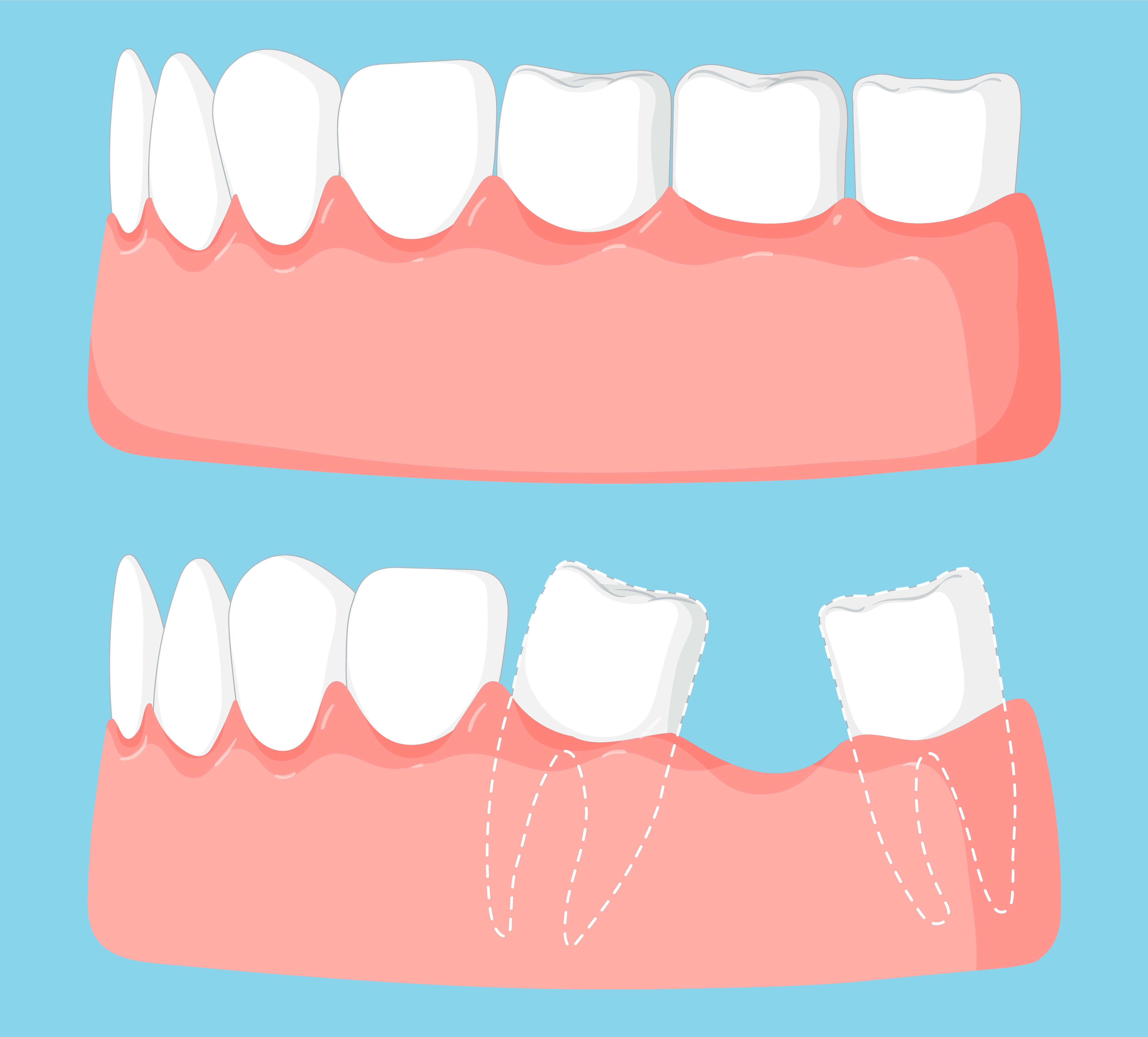
Although all three treatments replace missing teeth, they differ in how they are supported and how they function.
Dental Implants: A dental implant replaces the missing tooth root with a small post, usually made of titanium, that a dentist surgically places into the jawbone. Once the implant integrates with the surrounding bone, the dentist attaches an abutment and a custom-made crown. Implants can also support bridges or full-arch dentures when several or all teeth are missing.
Dental Bridges: A dental bridge fills the gap left by one or more missing teeth. A traditional bridge uses neighboring teeth for support. Your dentist reshapes these teeth to accommodate crowns that hold the replacement teeth in place. Implant-supported bridges use dental implants rather than natural teeth for support.
Dentures: Dentures are removable appliances designed to replace several or all missing teeth. Partial dentures fill gaps when some natural teeth remain, while complete dentures replace an entire upper or lower arch. Implant-supported dentures attach to dental implants for improved stability.
2. Dental Implants
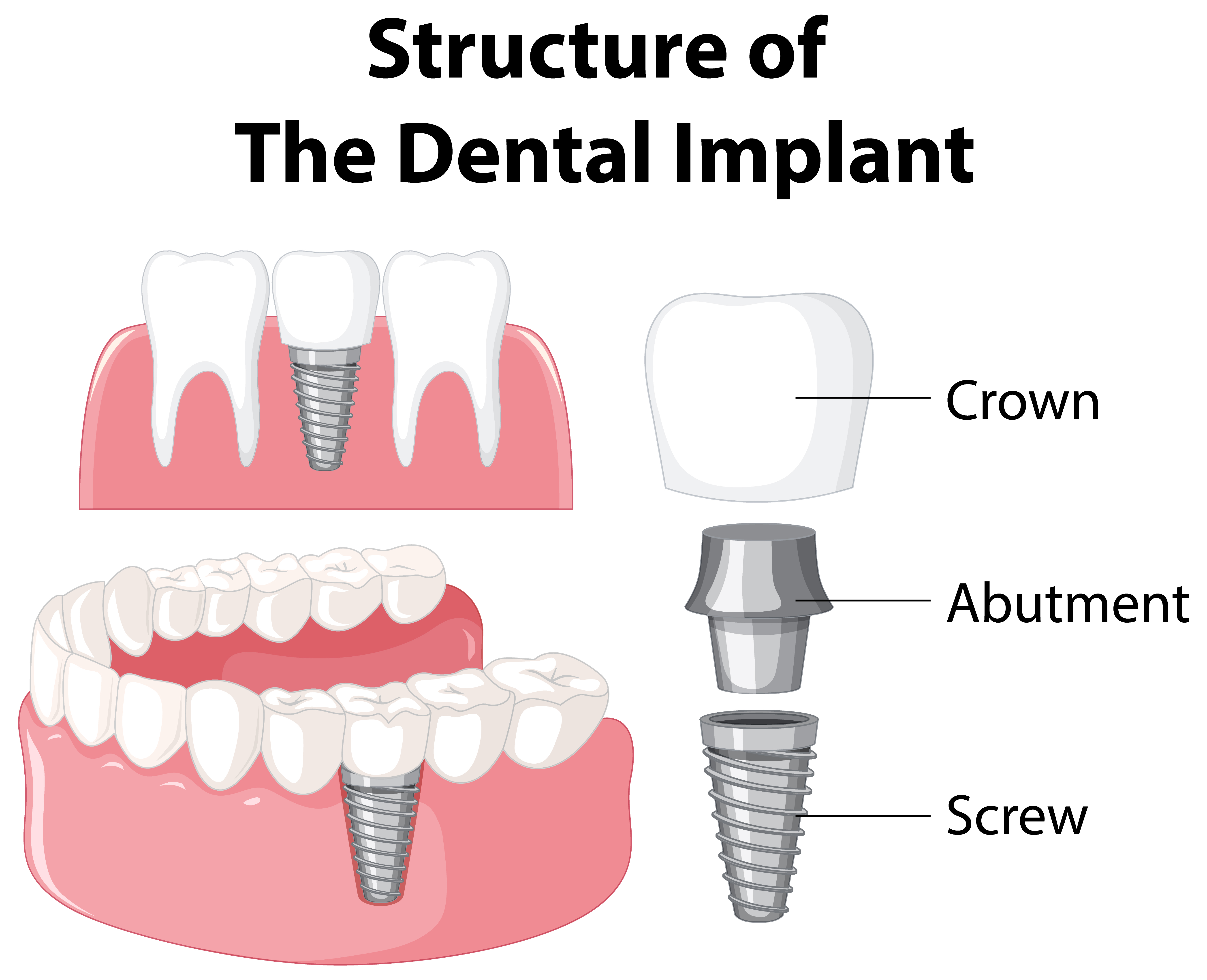
Dental implants are a popular option for patients who want a fixed replacement that functions much like a natural tooth. Because they anchor directly into the jawbone, they provide a stable foundation for chewing and speaking.
One of their main advantages is their ability to help preserve the jawbone. After tooth loss, the bone in that area can gradually shrink because it no longer receives stimulation from the missing tooth root. An implant helps maintain bone stimulation at the placement site. A single implant also generally does not require reshaping neighboring healthy teeth.
With proper oral hygiene and regular dental checkups, implants can last for many years. However, treatment involves surgery and a healing period that may take several months. Patients with insufficient jawbone may also need bone grafting before implant placement, which can increase overall treatment time and cost.
Implants may be suitable for patients with healthy gums, adequate jawbone, and good overall health. Smoking, uncontrolled gum disease, and certain medical conditions can affect healing and treatment outcomes. A dental evaluation is necessary to determine whether implants are appropriate.
3. Dental Bridges
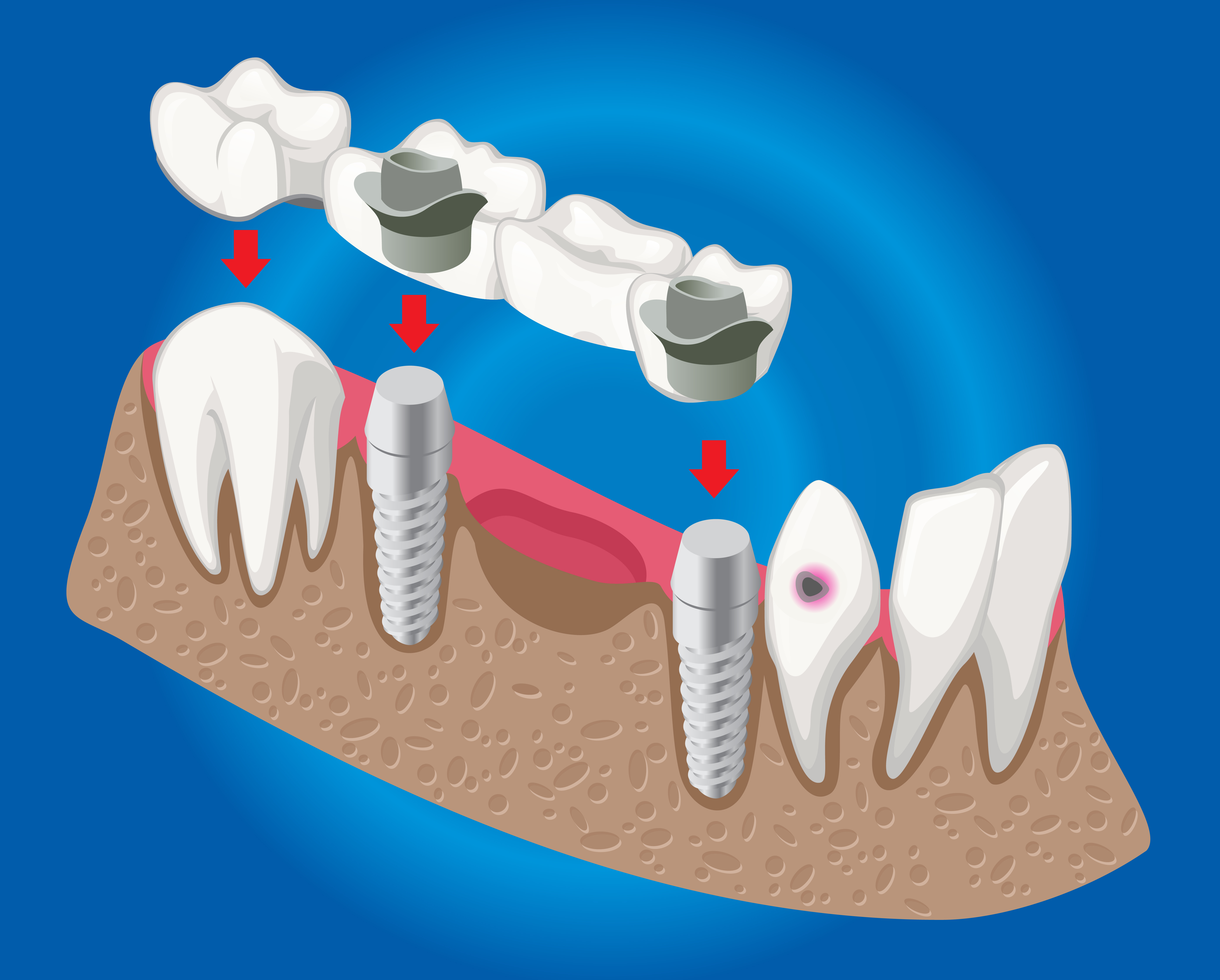
If you want a fixed replacement without implant surgery, a dental bridge may be worth considering. It fills the gap left by missing teeth and helps restore chewing function, speech, and the appearance of your smile.
Traditional bridges generally require fewer appointments than implants because they do not involve surgical placement or bone integration. Once fitted, they stay in place, so you don't need to remove them for daily cleaning.
However, traditional bridges require reshaping the supporting teeth to hold the restoration. This involves removing some natural tooth structure, even when those teeth are otherwise healthy.
Cleaning also requires extra attention. Plaque and food particles can collect beneath the replacement teeth, so you may need special flossing tools or interdental brushes to keep the area clean.
Another consideration is jawbone health. Since a traditional bridge does not replace the missing tooth root, it does not provide the same bone stimulation as an implant.
A bridge may be suitable for patients missing one or more adjacent teeth who have healthy supporting teeth and prefer a fixed replacement without implant surgery.
4. Dentures
Dentures are commonly used to replace several missing teeth or an entire upper or lower set. They generally cost less upfront than dental implants and don't require surgery.
They can help restore chewing function, speech, and the appearance of your smile. Partial dentures replace selected missing teeth, while complete dentures restore an entire arch.
However, adjusting to dentures can take time. You may initially experience discomfort, changes in speech, or difficulty chewing certain foods. Traditional dentures rest on your gums, so they may shift while eating or speaking. Changes in the jawbone and gum tissues can also affect their fit over time.
You may need periodic adjustments, relining, or replacement to keep them comfortable. You also need to remove and clean them daily to prevent plaque buildup and gum irritation.
Dentures may be suitable for patients looking for a removable, lower-cost replacement, particularly when several or all teeth are missing. If you are concerned about stability, ask your dentist whether implant-supported dentures are an option.
5. How Much Do Dental Implants, Dentures, and Bridges Cost?
The cost of tooth replacement depends on the treatment, materials, and complexity of your dental needs. Generally, conventional dentures have the lowest initial cost, followed by dental bridges, while implants require a higher upfront investment.
For dental implants, the total price depends on the number of implants, implant brand, crowns, and whether you need additional procedures such as extractions or bone grafting. Bridge costs vary according to the number of replacement teeth, supporting crowns, and materials used. Denture prices depend on whether you need partial, complete, or implant-supported restorations.
It is also important to consider expenses beyond the initial treatment. Dentures may need adjustments or relining, bridges may require repairs or replacement, and implants require regular professional maintenance.
If you are considering treatment abroad, compare complete treatment estimates rather than advertised starting prices. Ask whether the quoted amount includes consultations, diagnostic imaging, additional procedures, restoration materials, and follow-up care. If you are travelling from the United States, include travel and accommodation expenses in your budget.
6. How to Choose the Best Tooth Replacement Option
The number of missing teeth is a useful starting point, but your oral health and treatment preferences will ultimately determine which options are suitable.
If you have lost a single tooth, an implant or bridge may be appropriate. An implant replaces the missing root without involving neighboring healthy teeth, while a bridge may be suitable if the adjacent teeth already need crowns.
For several consecutive missing teeth, your dentist may recommend a traditional bridge, an implant-supported bridge, or partial dentures. If you have lost most or all of your teeth, complete dentures or implant-supported dentures may be more practical.
Your jawbone condition also influences your options. Insufficient bone can complicate implant placement, although bone grafting may help some patients become suitable candidates.
Finally, consider whether you prefer a fixed or removable replacement, how much time you can commit to treatment, and what you can comfortably spend. Discussing these factors with your dentist will help you identify treatments that are both clinically appropriate and practical for your circumstances.
7. Questions to Ask Your Dentist Before Treatment
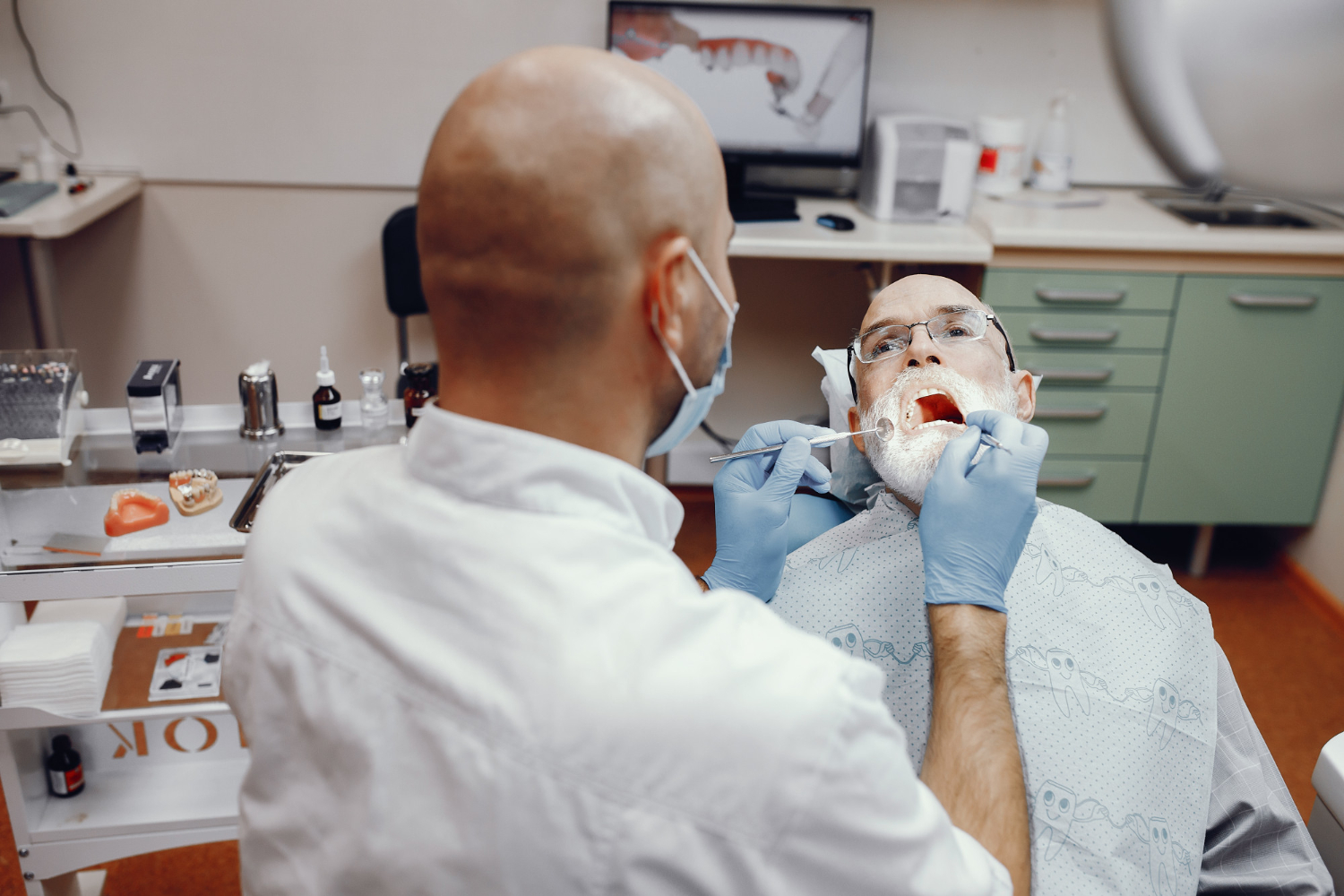
Before choosing a tooth replacement option, make sure you understand what the treatment involves and what to expect afterwards.
Ask your dentist which options are suitable for your oral health, whether you have enough jawbone for implants, and whether neighboring teeth need modification for a bridge. You should also discuss the expected treatment timeline, healing requirements, and potential complications.
For a clearer picture of the financial commitment, request an itemized estimate covering the procedure, materials, additional treatments, and follow-up appointments. If you are considering treatment abroad, ask about the dentist's qualifications, the clinic's facilities, and arrangements for ongoing care after you return home.
These details will help you evaluate your options based on clinical suitability, treatment requirements, and total cost.
Conclusion
Dental implants, bridges, and dentures each offer a different approach to replacing missing teeth. Implants provide a fixed replacement and help preserve jawbone at the implant site. Bridges restore missing teeth using neighboring teeth or implants for support, while dentures offer a removable solution for replacing several or all missing teeth.
The right treatment depends on your oral health, budget, and long-term expectations. A qualified dental professional can assess your condition and help you understand which options are suitable.
If you are exploring dental treatment in Mexico, Envoy Health can help you understand available treatment options and compare costs. Book a free consultation to discuss your dental needs and explore your treatment options.
Ready to compare Dental Implants options?
Get clinic options, pricing guidance, and recovery expectations from Envoy Health before taking the next step.
Disclaimer
The information in this article is for educational purposes only and does not replace medical advice. Always consult your doctor before starting any treatments.
Published by Envoy Health. Reviewed for patient-safety framing by Envoy Health Medical Content Review. See our editorial, AI-assistance, and medical review policy.
To request a correction, email contact@envoyhealth.io with the page URL and supporting source.
Compare reviewed clinics, pricing guidance, and recovery expectations before you commit.
Send me the list