Cataract Surgery and Diabetes: What Your Doctor Wants You To Know


Compare Eye Surgery options before you commit
Get clinic options, pricing guidance, and recovery expectations from Envoy Health before taking the next step.

Table of contents
- Cataracts and Diabetes
- Why Diabetes Raises Cataract Risk?
- Types of Cataracts
- Does Diabetes Affect Cataract Surgery?
- Preparing for Surgery with Diabetes
- Choosing the Right IOL
- How the Surgery Works
- Surgical Complications
- Preventing Diabetes-Related Issues
- Post-Surgery Eye Care for Diabetics
- When-to-See-Your-Ophthalmologist
Key Takeaways
- Diabetes increases the risk of cataract formation, but keeping blood sugar under control can slow its progression.
- Cataract surgery is safe and effective for diabetic patients, especially when glucose levels are stable, with the other eye conditions and retina being checked beforehand.
- Post-surgery care is crucial, as diabetics need closer monitoring to manage inflammation, protect the retina, and ensure smooth healing.
Still comparing Eye Surgery options?
Envoy can help you compare reviewed clinics, pricing guidance, and recovery expectations before you make a decision.
Cataracts and Diabetes: Are They Related?
Cataracts are a growing global eye problem, causing blindness in 12 million people across the world.[1] The natural proteins in the clear lens break down and form clumps, leading to unnatural clouding. The clouded protein masses block natural light from reaching the retina. So, candidates face difficulty seeing objects clearly. Aging is one of the most common risk factors for cataract development, with younger people also having an incidence of developing them. Besides, diabetes, which is more widespread among middle-aged and older individuals, adds another layer of concern. It not only increases the risk of developing cataracts sooner but also makes people more cautious about undergoing surgery.

Diabetes: Understanding the Basics
Diabetes, a condition of having elevated blood sugar levels above the normal range, significantly affects overall body metabolism. High blood sugar destroys the blood vessels and nerves, causing serious heart, kidney, and neurological problems. Additionally, elevated blood sugar levels narrow blood vessels. This is particularly problematic during the early days following any surgical procedure. Narrowed blood vessels slow down the flow of oxygen and nutrients to reach the surgical site. So, diabetic patients have a risk of delayed healing following any surgical procedure. This also increases the risk of infection. That's why healthcare providers emphasize the importance of controlling blood sugar levels before surgery. Studies suggest that diabetics should follow enhanced recovery measures for a safer recovery.[2]
How Does Diabetes Raise the Risk of Cataracts?
The exact mechanism by which diabetes accelerates cataract formation remains unclear. But the relationship between diabetes and cataracts is multifaceted. Further, studies suggest that cataracts progress more rapidly in diabetic patients than in non-diabetic patients.[3] Controlling blood sugar levels not only slows cataract progression but also reduces the incidence of cataract development.
Other Eye Problems Due to Uncontrolled Diabetes
Uncontrolled diabetes over the long term has a significant impact on eye health. The effects range from less serious, temporary blurry vision to permanent vision loss.
- Diabetic retinopathy: It is a condition where the elevated blood sugar levels beyond acceptable levels damage the tiny blood vessels of the eye. Patients experience difficulty seeing due to haziness, and the condition is diabetic retinopathy. The early stages of non-proliferative diabetic retinopathy are associated with leaky and blocked blood vessels. However, the advanced stages are serious, with new fragile blood vessels that may even bleed. The condition is serious and can even lead to blindness.
- Macular edema: It is the swelling of the macula, the central portion of the retina, caused by fluid leaking from damaged blood vessels. This can happen because of diabetic retinopathy due to diabetes. Raised blood sugar levels can gradually damage the eye’s blood vessels, increasing the risk of swelling. The vision becomes blurry when the macula fills with fluid. In severe cases, it may even lead to permanent vision loss.
- Glaucoma: High blood sugar can harm the tiny blood vessels in the eye. This damage can cause swelling and block the normal flow of eye fluid. When the fluid cannot drain properly, the pressure inside the eye goes up. Diabetes, high blood pressure, and aging can make this pressure problem worse. Over time, the high pressure can damage the optic nerve, the part in the eye that sends images to the brain, and this can lead to permanent loss of eyesight if not treated early.
- Temporary blurry vision: Some candidates see temporary blurry vision due to swelling of the eyelens. It is usually reversible, and you will see it clearly when blood sugar levels return to normal with medical care.
Type of Cataract in Diabetes
The various types of cataracts in diabetes patients include:
- Snowflake cataracts: These are rare and occur mostly in young people with uncontrolled diabetes. Snowflake cataracts form as tiny, thin snowflakes spread across the natural lens of the eye, distorting vision clarity.[4] When you hear a candidate with type 1 diabetes and cataract surgery, it can be these snowflake cataracts. Type 1 diabetes is an autoimmune condition in which the body’s immune cells destroy insulin-producing cells. Snowflake cataracts are a common type of cataract in younger individuals with type 1 diabetes.
- Posterior subcapsular cataracts: These are more common in older diabetic patients and form at the back of the lens. Candidates experience difficulty with their eyesight in bright light.
- True diabetic cataracts: The senile type of cataract is an age-related condition that commonly occurs in adults. These occur as a natural part of aging, and diabetes accelerates the process. When you hear a candidate with cataract surgery and type 2 diabetes, it can be these senile or true cataracts in most cases.
Does Diabetes Affect Cataract Surgery?
Yes, diabetes affects cataract surgery by increasing the risk of complications, such as delaying healing and infections. High blood sugar levels can also worsen existing eye conditions, such as diabetic retinopathy. Eye surgeons stay strict on pre-surgical considerations before performing the cataract eye surgery.
Can Diabetic Patients Do Cataract Surgery?
Yes, diabetic patients can undergo cataract surgery, provided their blood sugar levels are under control. Typically, eye surgeons recommend a comprehensive evaluation with a pre-surgical assessment. It involves the tests to assess the blood levels and a detailed eye examination. Doctors rule out the risk factors like diabetic retinopathy and macular edema. This will not only prevent complications but also help you set realistic expectations.
Can You Have Cataract Surgery With High Blood Sugar?
Being diabetic does not prevent anyone from getting cataract eye surgery. However, the combination of uncontrolled diabetes and cataract surgery is not a wiser choice. Generally, healthcare providers recommend delaying cataract surgery until your blood sugar is under control.
How Do You Prepare for Cataract Surgery Being a Diabetic?
Diabetic patients preparing for cataract eye surgery have certain priorities:
- Maintaining stable, controlled blood sugar levels
- Following the specified pre-operative dietary and medication adjustment instructions
- Get a detailed eye check-up from a certified eye surgeon to rule out the associated conditions, such as diabetic retinopathy or macular edema
We detailed them below.
Stable Blood Sugar Levels
Consult your ophthalmologist and healthcare provider. They will provide strict instructions on the diet and diabetic medications. Ensure your diabetes management plan is strictly adhered to. The goal is to attain a permissible sugar level for cataract surgery. The fasting blood sugar should be 140mg/dL, and after a meal (postprandial), levels should be 200mg/dL. Adopt a balanced diet, exercise regularly, and maintain a balanced lifestyle. Keep monitoring your blood sugar levels to monitor the progress of your strategy.
Pre-Operative Medical Check-Up
Get a comprehensive health check-up to ensure you are free from other kidney or heart-related complications. Conditions such as high blood pressure can increase the risk of complications. A pre-medical examination is crucial because the surgeon will assess your condition and adjust the surgical plan and anesthesia dosages accordingly. Pre-operative medication adjustment before cataract surgery includes adjusting diabetic medication, stopping blood thinners in order to reduce surgical risks. Herbal supplements like garlic, ginkgo biloba, and ginseng have blood-thinning effects. They should be stopped a few days before surgery.
Pre-Operative Eye Check-Up
Ophthalmologists will assess the extent of vision impairment and the severity of cataracts. They check the length of the eyeball and the shape of the cornea and its curvature. A dilated pupil will allow the surgeon to clearly check the cataract stage and type. Additionally, the eye surgeon will check for eye-related conditions, like macular edema and diabetic retinopathy. Based on your condition, they will develop a surgical plan and choose the right lens. So, if you ask us, does diabetes affect the lens choice for cataract surgery? The answer is yes. Let’s dive deeper into the details in the upcoming section.
Selecting the Right IOL for Cataract Surgery in Diabetics
Intraocular lenses are the tiny, transparent artificial eye lenses that the eye surgeons position after removing the dense cataracts. These provide clear vision and come in various designs to suit a range of patients, depending on their eye condition. Diabetics experience reduced contrast sensitivity and see fluctuations in their eyesight. Hence, they require reliable IOLs for long-term stability. Ophthalmologists not only consider the patient's condition but also the risk of developing diabetic retinopathy.[5] While there are various types of IOLs available, the right one depends on your retinal health, blood sugar control, and lifestyle needs.
- Monofocal IOL: These offer better vision at a single focal length and are ideal for diabetic patients, provided they don’t carry a risk of diabetic retinopathy.
- Toric IOLs: These are ideal for cataract surgery in diabetic patients with astigmatism as well. However, ophthalmologists ensure that there is no chance of macular edema and that diabetic retinopathy is reliably stable.
- Hydrophobic acrylic IOL: These lenses are made from materials that resist the migration of cells onto the lens surface and calcify there. The hydrophobic acrylic IOLs are ideal for diabetic patients undergoing cataract surgery because they reduce the risk of posterior capsular opacification (PCO).
- EDOF IOL: The EDOF IOLs offer clear eyesight at multiple distances, near, middle, and far. These are ideal for diabetic patients undergoing cataract surgery, provided their blood sugar levels are under control, and there is no risk of other eye complications.
- Multifocal IOL: Multifocal IOLs offer vision clarity over a wider range of distances, but they are typically not recommended for diabetic patients with cataracts. It's because multifocal IOLs reduce contrast sensitivity and degrade visual quality.
- Accommodating IOLs: These IOLs are a viable option for cataract surgery in some patients with diabetes, but the choice depends especially on the patient's overall health and absence of diabetic retinopathy.
- Light-adjustable IOL: These IOLs can be a good fit for cataract patients with diabetes because they allow a customized final vision correction after your eye has healed. Since diabetic eyes may take longer to stabilize or may have small prescription changes during recovery, this adjustability helps achieve more accurate results. It gives patients a clearer, more tailored vision without relying on a fixed lens power decided before surgery.
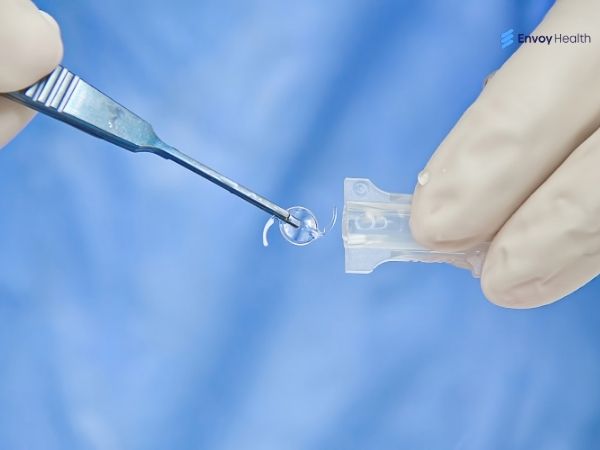
Choosing the right IOL is a big decision, especially when you’re managing diabetes. Sign up with Envoy Health to get expert-backed guidance, trusted clinic options, and personalized support so you can move forward with full confidence. Let us help you secure the safest, most effective IOL choice for long-term, stable vision.
How Is Cataract Surgery Performed?
Patients are usually asked to keep their blood sugar stable before surgery, and your doctor may guide you on whether to adjust insulin or diabetes medications on the day of the cataract procedure. You should not eat food on the day of the surgery. Most patients are advised not to eat before surgery, so make sure to inform your surgeon of your insulin dosage and any concerns about low blood sugar.
Cataract surgery is simple. It involves removing the cloudy cataracts and replacing them with a clear intraocular lens. Eye surgeons remove the clouded eyelens so you can see clearly through the transparent IOL. First, the surgeon numbs the eyes and makes tiny incisions in the cornea to gain access to the lens. Sometimes ophthalmologists use eye drops to dilate the pupil to gain an unobstructed view of the lens. They use a small ultrasonic probe to break up the cataract-affected lens. Next, they use a tiny suction pump to remove the broken lens pieces and replace them with a clear artificial lens. The incisions heal by themselves, and you can return home after a few hours of observation.
Managing Complications During the Cataract Eye Surgery
Managing complications during cataract surgery means addressing them promptly and gently. If the back part of the lens capsule tears, your doctor should carefully remove any loose gel to keep the eye safe. If the iris slips forward or the cornea gets scratched, a firm eye dressing will help protect the area. In serious cases, the iris may require a small repair. When some of the eye’s gel (vitreous) comes forward, the surgeon takes extra care to protect the retina and may remove a small portion of the gel. With these steps, most issues can be managed safely during the surgery.
How To Prevent Cataract Surgery Diabetes Complications?
One can prevent complications following cataract surgery in diabetics by following the recommended measures.
- Strictly control the blood sugar levels before and after the cataract surgery.
- Frequently monitor blood sugar levels before and after cataract surgery to ensure they remain within the required range.
- Use the prescribed anti-inflammatory and antibiotic eyedrops to prevent infection and reduce swelling.
- Avoid lifting heavy weights and performing strenuous physical activities for the first few days after cataract surgery.
- Refrain from rubbing eyes until complete healing and protect the eyes from direct sunlight.
- Regularly attend follow-up appointments to monitor healing progress and detect complications and signs of infection early.
How Can Diabetics Avoid Problematic Eye Conditions in the Future After Cataract Surgery?
Diabetics should maintain strict control over blood sugar levels even after complete healing from cataract surgery. Major fluctuations in blood sugar can damage blood vessels and lead to diabetic retinopathy or macular edema. Uncontrolled increases in blood sugar can also delay healing. Follow the steps below to help prevent complications after cataract surgery.
- Strictly maintain blood sugar, pressure, and cholesterol levels.
- Attend scheduled follow-up visits, check for signs of infection, track retinal health, and monitor healing.
- Rely on a healthy, balanced diet, and limit processed foods.
- Quit smoking and alcohol for a brief period.
- Follow a healthy exercise routine and maintain good hygiene.
- Wear protective eyewear and eyeshields to prevent future eye damage.
When Should I See an Ophthalmologist After Cataract Surgery With Diabetes?
Generally, ophthalmologists schedule post-surgical follow-up sessions to monitor healing. However, don’t hesitate to see your ophthalmologist in case you see any of the following symptoms. They can be the symptoms of progression of diabetic retinopathy after cataract surgery.
- Blurred or distorted vision
- Increased pain, with swelling
- Watery or yellowing discharge
- Flashes of light and floaters
- Dark or empty areas of vision, or dark curtains
- Difficulty or changes in processing colors
Final Word!
Cataract surgery and diabetes can be safely managed together with proper planning, good blood sugar control, and timely follow-up care. While diabetes may increase certain risks, modern surgical techniques and careful monitoring make the procedure highly successful for most patients. With the right guidance from your eye specialist, you can look forward to clearer eyesight and a smoother recovery.
Are you ready to take the next step toward a clearer vision? Sign up with Envoy Health to get personalized guidance, trusted clinic options, and end-to-end support for your cataract care journey. Your treatment, made simple and stress-free.
References
- Global And Regional Prevalence Of Age-Related Cataract: A Comprehensive Systematic Review And Meta-Analysis
- Impact Of Diabetes Mellitus On Postoperative Complications In Patients Undergoing Pancreatic Surgery
- Cataract Surgery In Diabetes Mellitus: A Systematic Review
- Cataracts and Their Treatment in People with Diabetes
- Intraocular Lens Selection In Diabetic Patients: How To Increase The Odds For Success
Keep researching cataract and eye surgery
Explore the full cataract and eye surgery topic hubReady to compare Eye Surgery options?
Get clinic options, pricing guidance, and recovery expectations from Envoy Health before taking the next step.
Disclaimer
The information in this article is for educational purposes only and does not replace medical advice. Always consult your doctor before starting any treatments.
Published by Envoy Health. Reviewed for patient-safety framing by Envoy Health Medical Content Review. See our editorial, AI-assistance, and medical review policy.
To request a correction, email contact@envoyhealth.io with the page URL and supporting source.
Compare reviewed clinics, pricing guidance, and recovery expectations before you commit.
No, once formed, cataracts cannot be reversed. Home remedies or other non-surgical treatments are not scientifically proven choices. You should opt for a surgical removal of the opacified eyelens. However, note that controlling blood sugar levels can slow the progression of cataracts, thereby delaying the need for immediate surgical treatment. However, you should attend regular eye check-ups to detect vision changes early.
Generally, diabetics can take longer to heal after any surgical procedure. The healing process is quite slow, and diabetic patients face an increased risk of infections following cataract surgery. Maintaining blood sugar levels before and after cataract surgery is crucial to the success of treatment.
While severe cataracts impact daily life, not all cataract candidates are considered disabled. To qualify for disability benefits, the cataracts should be dense enough to interfere with daily life. Further factors, such as the severity and the duration of the cataracts' impact on your daily life, also determine the decision. Authorities generally rely on medical evidence from approved tests, such as vision acuity tests, glare tests, and slit-lamp examinations.
Hemoglobin A1c levels indicate high blood sugar levels. And having high A1c alone does not disqualify someone from getting cataract surgery. Eye surgeons perform a comprehensive evaluation to make a decision. They consider other eye conditions and overall health to determine the best course of action.
You will see clearly on the same day after cataract surgery. However, you require a rest of 1-2 days after cataract surgery. Avoid strenuous activities and bending exercises for a few days to at least a week after cataract surgery.
So, we partner with the premier healthcare facilities!

Send me the list