Bad Hair Implants: Let’s Talk About the Repair Options

Compare hair transplant clinics before you commit
Get clinic options, pricing guidance, and recovery expectations from Envoy Health before taking the next step.

Table of contents
Key Takeaways
- Bad hair implants appear patchy, botched, doll-like hair plugs, with pus discharge, redness, swelling, and soreness. Intense tissue damage appears as blackened, leathery tissue. Symptoms vary slightly depending on the underlying issue, whether it's an unnatural orientation, an infection, delayed healing, or graft rejection.
- Fixing bad hair implants begins with expert evaluation, scalp assessment, and personalized corrective action. Treatment includes antibiotic therapies, scalp washes, PRP, laser therapies, follicular redistribution, scar revision, and scalp micropigmentation.
- The cost of treating bad hair implants varies depending on the intensity of tissue damage and the procedure chosen. The results of treating bad hair implants improve when treatment is initiated early. Neglecting symptoms can lead to severe tissue damage and compromised aesthetics.
Still worried about pain or recovery?
Most discomfort depends on technique, graft count, anesthesia, and aftercare. Envoy can help you compare clinics that explain the pain-management plan up front.
Bald Crown and Bad Hair Transplant
A bald crown can ruin the entire facial appearance, stripping away youthful appeal. Among all other treatments, hair transplants are an effective way to restore confidence and facial aesthetics. While the surgical procedure offers successful results when performed by an expert, in rare cases, it may fail. Hair transplants gone wrong can lead to uneven growth, visible scarring, or an unnatural hair pattern requiring corrective care.
Signs Your Bad Hair Implants Are Not Healing Properly
Well-harvested, properly grafted implants settle into the scalp and resume the growth cycle within a few days. However, poor hair implants lead to healing issues and graft rejection over time. Here are the signs of failed hair transplant, indicating improper healing:
- Excessive pain
- Fever and chills
- Persistent swelling and redness
- Blackening of the scalp tissue, causing necrosis
- Bleeding from the implant site (that does not stop over time)
- Pus and abnormal discharge of thick, yellowish, or greenish fluid
Symptoms intensifying over time require immediate attention. Although rare, it may lead to medical problems such as infection, scarring, nerve damage, folliculitis, and cysts. These indicate something is wrong under your scalp, and may lead to permanent scarring or even a systemic infection. While a hair transplant wrong direction, compromises final results and is usually considered a bad hair implant. However, the truth is that these only deviate from your expected final look. And do not interfere with healing or cause any long-term health effects.
Bad Hair Transplant Results
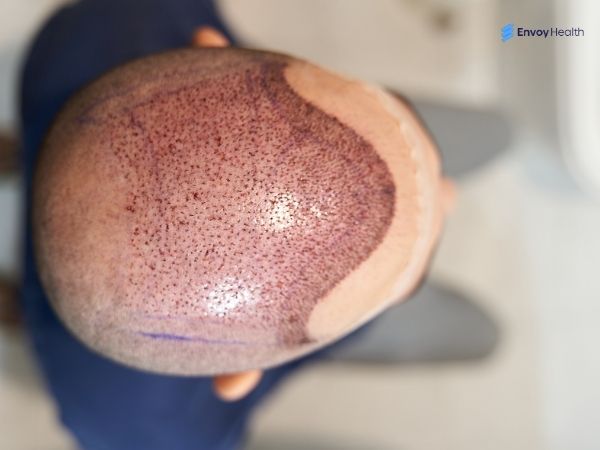
Bad hair transplant results often seem unnatural with a patchy, cobblestone appearance. For some, the grafts create a pluggy, doll-like look or an unnatural hairline in the wrong direction. For a few others, the scars may be too distinct to the naked eye, creating an awkward look. Candidates with severe infection develop scalp necrosis, with blackened scalp patches with leathery, dead tissue.
Why You Should Act Early To Fix Bad Hair Plugs?
You should see your hair transplant specialist as soon as you notice any unusual symptoms of poor hair transplant healing. Delaying treatment may require expensive, complex correction procedures. Acting early during the initial stages of infection and graft rejection may require simpler fixes. However, delaying or neglecting the symptoms can cause serious tissue damage and permanent effects.
Now we address one of the most common questions people ask when considering hair transplantation. It’s a natural concern during the planning stage, and understanding both the safety and the value of the treatment is important for making an informed decision.
Is Hair Implant Dangerous?
Transplanting hair implants is, in fact safe way to address baldness. Hair transplantation, when performed by a qualified, experienced, and skilled hair transplant specialist, of course, has a higher success rate. In fact, studies suggest that hair transplantation has a better patient satisfaction rate.[1] The risk of complications may arise when you do not care for the new grafts or when the procedure is performed improperly, with compromised sterility or inadequate expertise.
Who Will Treat a Bad Hair Transplant?
A qualified hair transplant surgeon or a certified trichologist can fix a bad hair transplant. You should look for the following when seeking a professional to treat complications from a bad hair implant.
- Qualified and certified professional in performing hair transplant surgeries.
- Certified trichologists with better experience in dealing with scalp conditions and corrective procedures.
- A reputable clinic and professionals with an artistic view and a transparent portfolio, showing hair transplant gone wrong pictures, and the amount of difference the corrective procedures delivered. This showcases their proven ability to fix bad hair implants.
- Professional with open communication and interest in discussing realistic expectations and possible outcomes.
How To Fix Bad Hair Transplant?
Your hair transplant specialist will examine your scalp for symptoms of redness, infection, and necrosis. In addition, they will look for systemic symptoms such as fever and chills. Once your scalp health is assessed, your doctor may recommend a personalized corrective plan. This can include medical treatment to control infection and inflammation, scar management, and surgical and non-surgical options. We detailed this below:
- Doctors recommend a scalp culture test to identify the specific bacteria. Treatment includes antibiotic therapies (oral or topical) and antibacterial scalp washes to keep the scalp clean. Some severe infectious cases require drainage of pus and surgical removal of necrotic scalp tissue.
- Non-surgical options include PRP and low-level laser therapy (to support healing) and scalp micropigmentation (camouflaging).
- Surgical options correct the issues of unnatural graft placement and hair density. A corrective hair transplant or follicular redistribution procedure will be performed to improve the hairline, fill patchy areas, and restore a more natural growth pattern. This is a labor-intensive process that involves adding new grafts or repositioning older ones to achieve a natural look.
What To Expect With the Bad Hair Transplant Repair?
After the repair procedure, you can expect a brief healing period, followed by the growth of new hair and betterment in aesthetics. The healing period varies with the repair procedure.
Typically, the non-surgical procedures, such as plasma or laser therapies, demand a simpler recovery process. You will feel normal and can return to your daily routines without major restrictions.
However, recovery can be quite complex for surgical options such as follicular redistribution or hair transplant. Expect redness, swelling, and scab formation as you notice during the initial hair transplant procedure. Caring for the scalp during this phase is crucial for the treatment success.
- Avoid direct sunlight, and wear either a hat or a scarf to protect the new grafts.
- Refrain from using harsh, complex formulations of shampoos and conditioners to protect the microenvironment around transplanted grafts.
- Shock loss is common within the first few weeks after the repair step. Your grafts fall off, and permanent hair grows back within a few months.
- Refrain from doing strenuous physical activities during the first few weeks.
- Strictly avoid scratching and rubbing the scalp, as it may cause bruising, delay healing, or even dislodge the new grafts.
How Much Does Repairing Bad Hair Implants Cost?
The cost of bad hair replacement varies depending on the type of corrective procedure required, the extent of scalp damage, and the number of grafts. Non-surgical options such as scalp micropigmentation (SMP) and medical therapies generally fall on the lower end of the cost range. However, surgical correction, scar revision, or a full corrective hair transplant may cost more due to the additional time, precision, and expertise required. Since corrective treatments are more complex than first-time transplants, they often require advanced planning and specialist expertise. Below, we list a few factors that influence the repair cost:
- Severity of graft misplacement or scarring
- Size of the area that needs correction
- Number of sessions needed for repair
- Whether you require surgical intervention (graft removal and redistribution) or a simpler fix (such as micropigmentation or PRP, and laser therapies)
What Can Worsen a Bad Hair Implant?
A bad hair implant can worsen when you don’t care about the symptoms and neglect follow-up sessions. The key to fixing a bad hair implant is acting early. Neglecting symptoms can only worsen the infection and tissue damage, leading to permanent effects.
Bad Hair Transplant Hairline: When It’s Too Late for a Second Transplant?
Repairing a bad hair transplant requires skill and expertise. It can lead to severe consequences when you neglect during the initial days. You cannot expect better results when:
- The necrotic scars are too severe and thick. Thick scars limit blood supply to the underlying tissues, making hair regrowth difficult.
- Overharvested grafts and intense tissue damage weaken the follicles and compromise scalp health.
- Your scalp has poor elasticity, with limited flexibility, and has a restricted blood supply.
Final Word!
Bad hair implants can feel discouraging, but they don’t have to define your long-term appearance or confidence. With the right medical guidance, many concerns can be appropriately addressed, from uneven growth to visible scarring. It should be carefully evaluated and addressed through personalized repair options. Understanding what can be improved, acting early, and choosing experienced specialists are important for achieving safer healing and more natural-looking results. With informed planning, bad hair implants can become a manageable chapter rather than a permanent setback.
Envoy Health connects patients with carefully vetted hair restoration specialists who focus on safe correction and realistic outcomes. If you’re looking for clear guidance on what can actually be improved, you can request a personalized consultation to understand your next steps with confidence. Sign up to connect with vetted hair restoration specialists who focus on safe correction and realistic outcomes.
References
Ready to compare hair transplant options?
Get clinic options, pricing guidance, and recovery expectations from Envoy Health before taking the next step.
Disclaimer
The information in this article is for educational purposes only and does not replace medical advice. Always consult your doctor before starting any treatments.
Published by Envoy Health. Reviewed for patient-safety framing by Envoy Health Medical Content Review. See our editorial, AI-assistance, and medical review policy.
To request a correction, email contact@envoyhealth.io with the page URL and supporting source.
Compare reviewed clinics, pricing guidance, and recovery expectations before you commit.
Well-performed hair implants are worth the price mainly for the naturalness and longevity of results. Transplanted hair grafts behave like natural follicles and continue their hair growth, so you don’t have to invest in maintenance steps. The results last for a lifetime, and many consider a hair transplant as a one-time investment.
A bad hair transplant can be fixed through corrective procedures such as graft redistribution, repeated transplant, micropigmentation, non-invasive procedures such as PRP, and laser therapies. Note that the choice of the procedure varies with the intensity of damage, scalp condition, and the doctor's expertise.
Hair implants can sometimes go wrong due to compromised hygiene, improper harvesting, or improper implantation. It can lead to infection, scarring, graft failure, cysts, and necrosis. Candidates experience redness, swelling, bumps, pus-oozing, and inflammation.
Failed hair transplants appear botched, swollen, and itchy. Some candidates experience tissue blackening with a leathery texture due to dead tissues. Pus discharge with a thick yellowish or greenish color and foul smell indicates a failed hair transplant due to infection.
Symptoms of a bad hair transplant include pain, redness, swelling, pus discharge, infection, inflammation, and numbness. Delayed healing and prolonged symptoms over extended periods indicate an abnormality with your hair implants.
So, we partner with the premier healthcare facilities!


Send me the list